
Last updated November 21, 2026
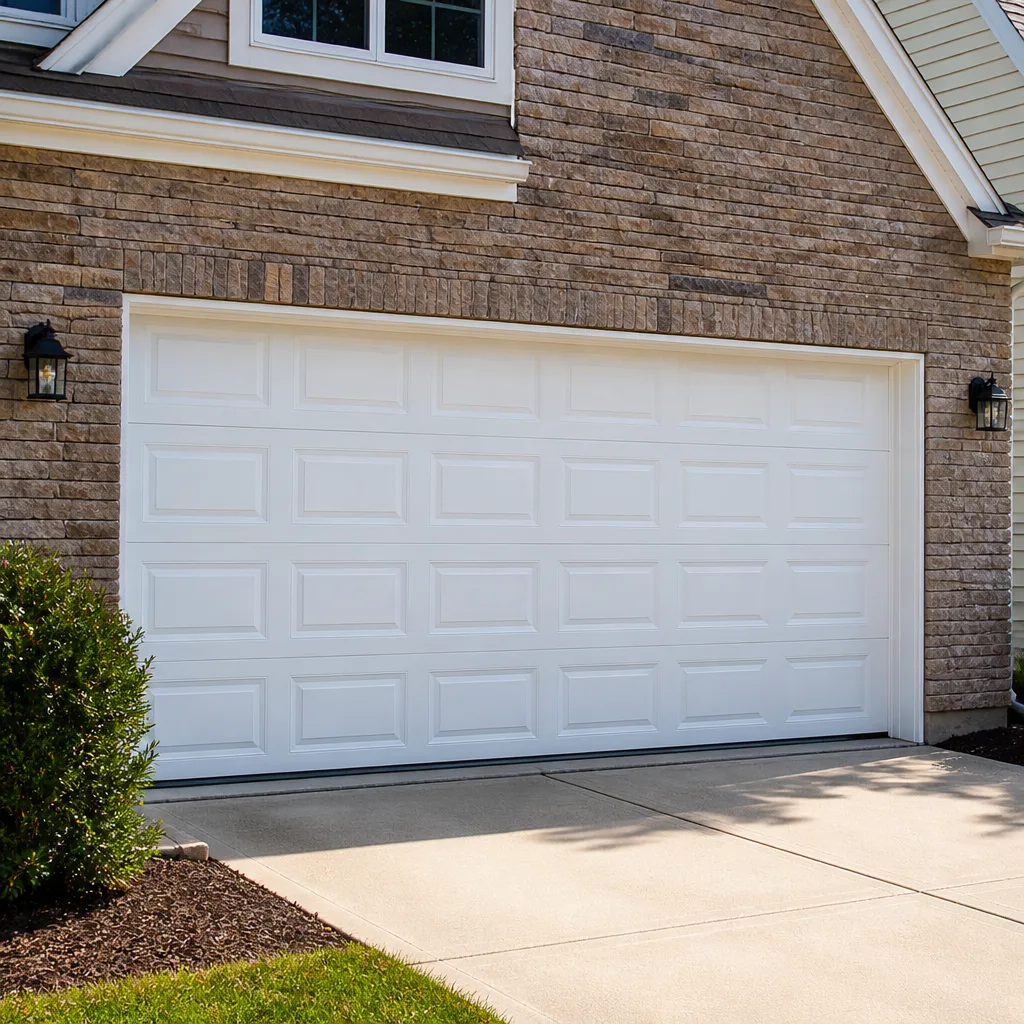 Raised-panel steel
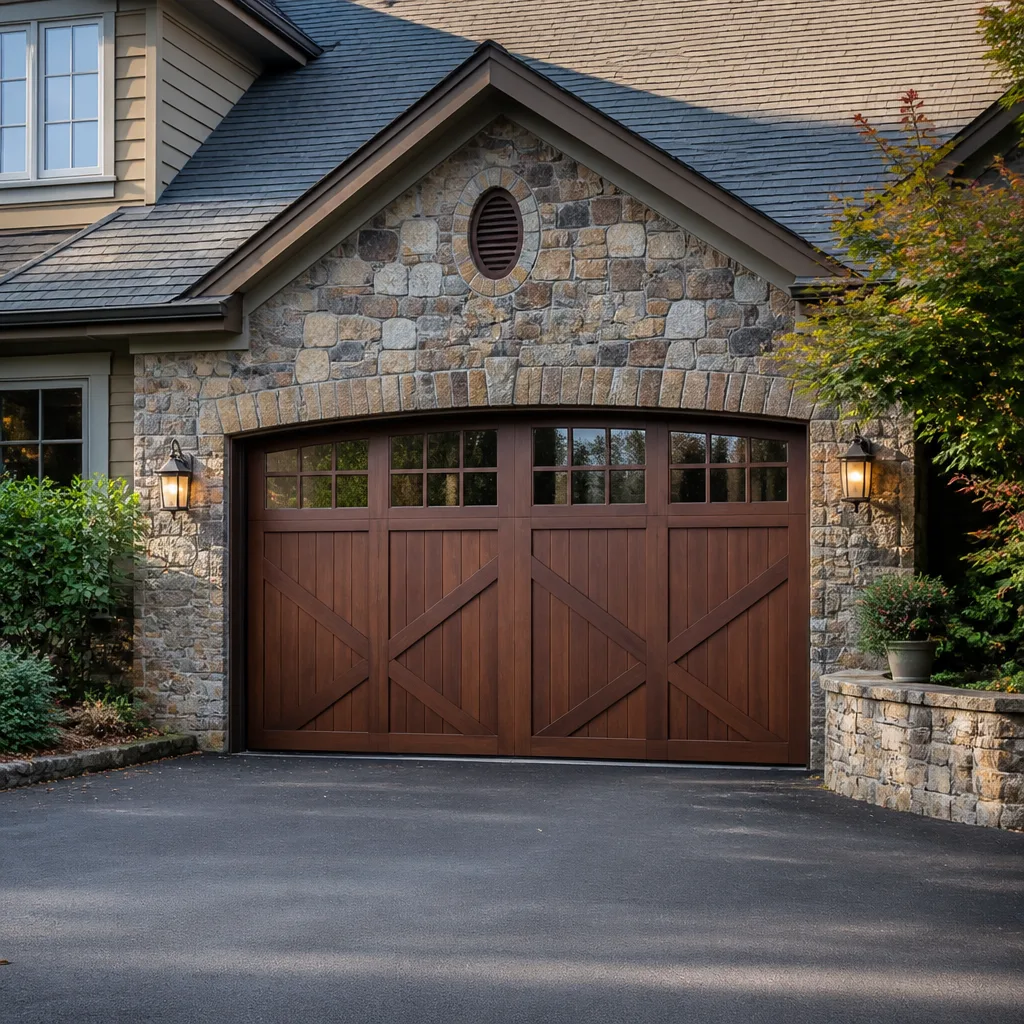 Carriage house
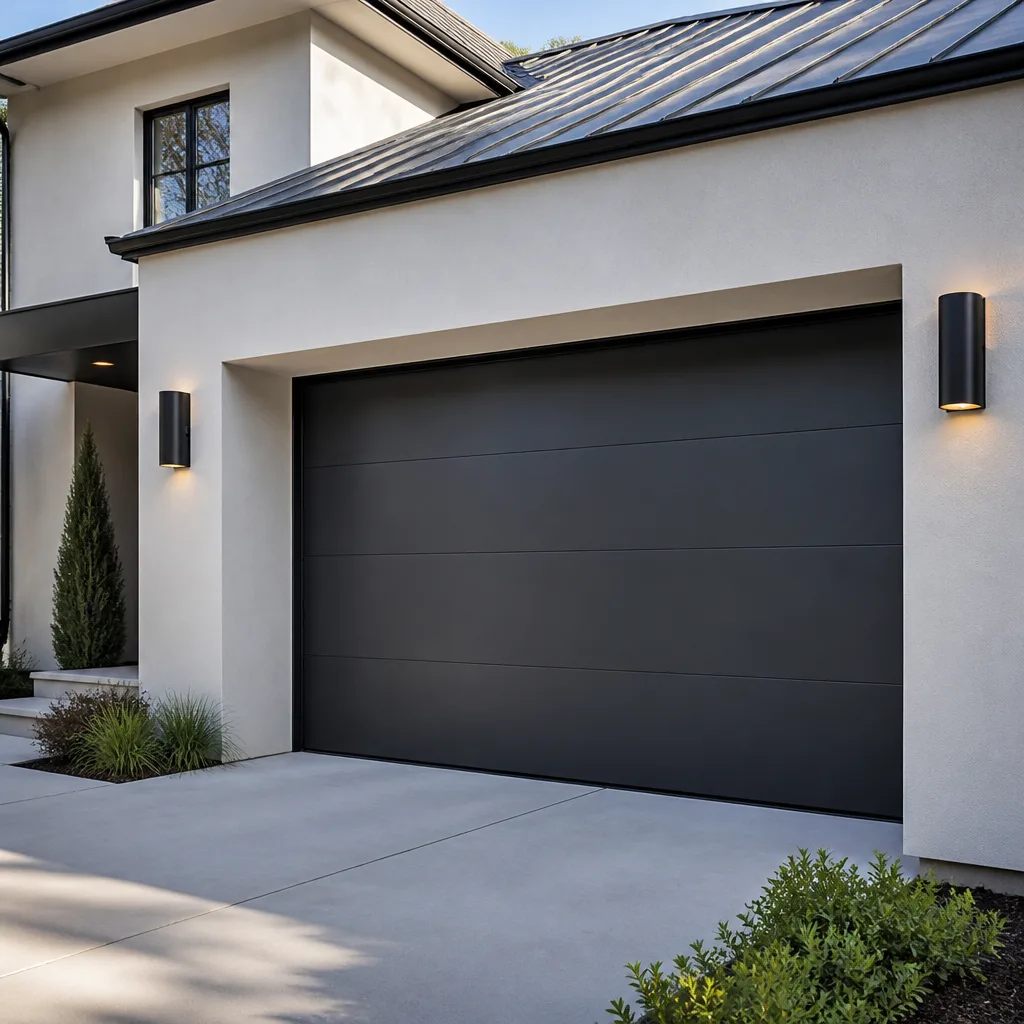 Modern flush
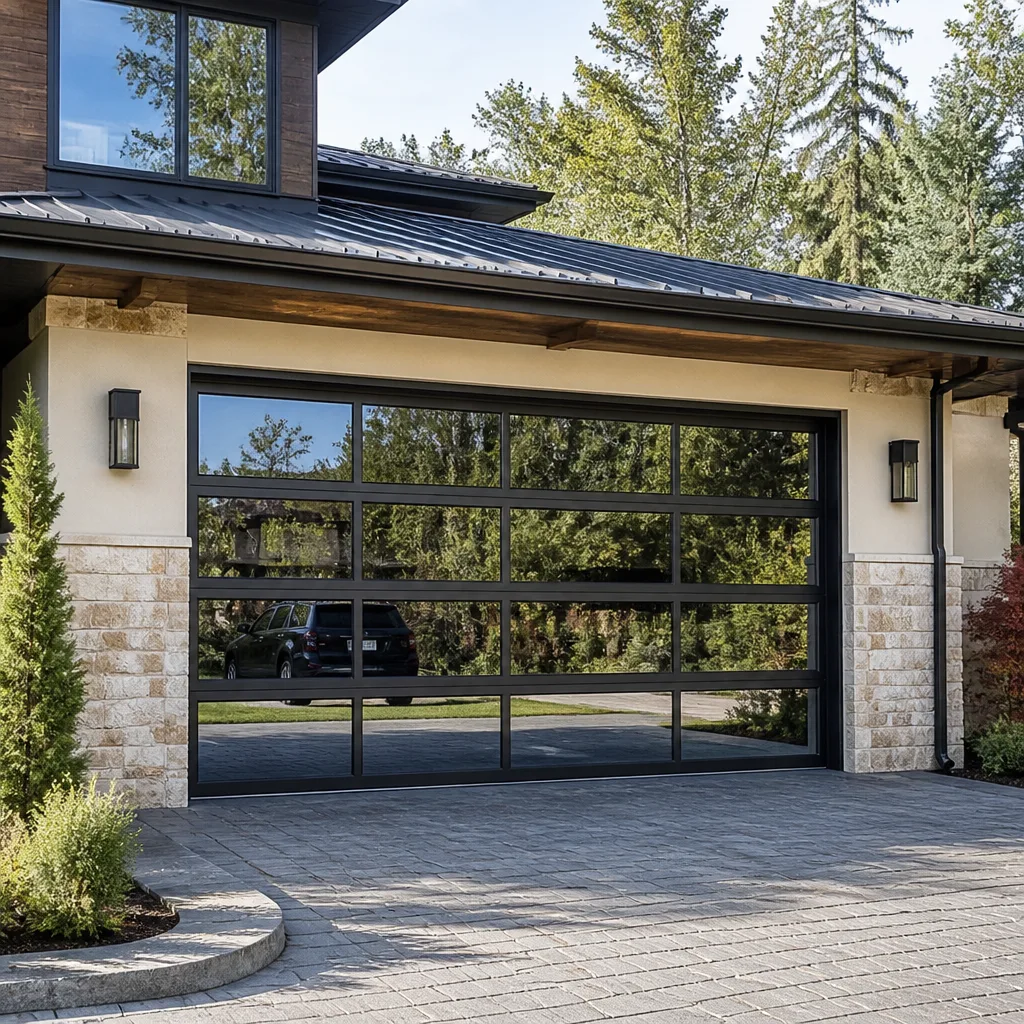 Full-view glass
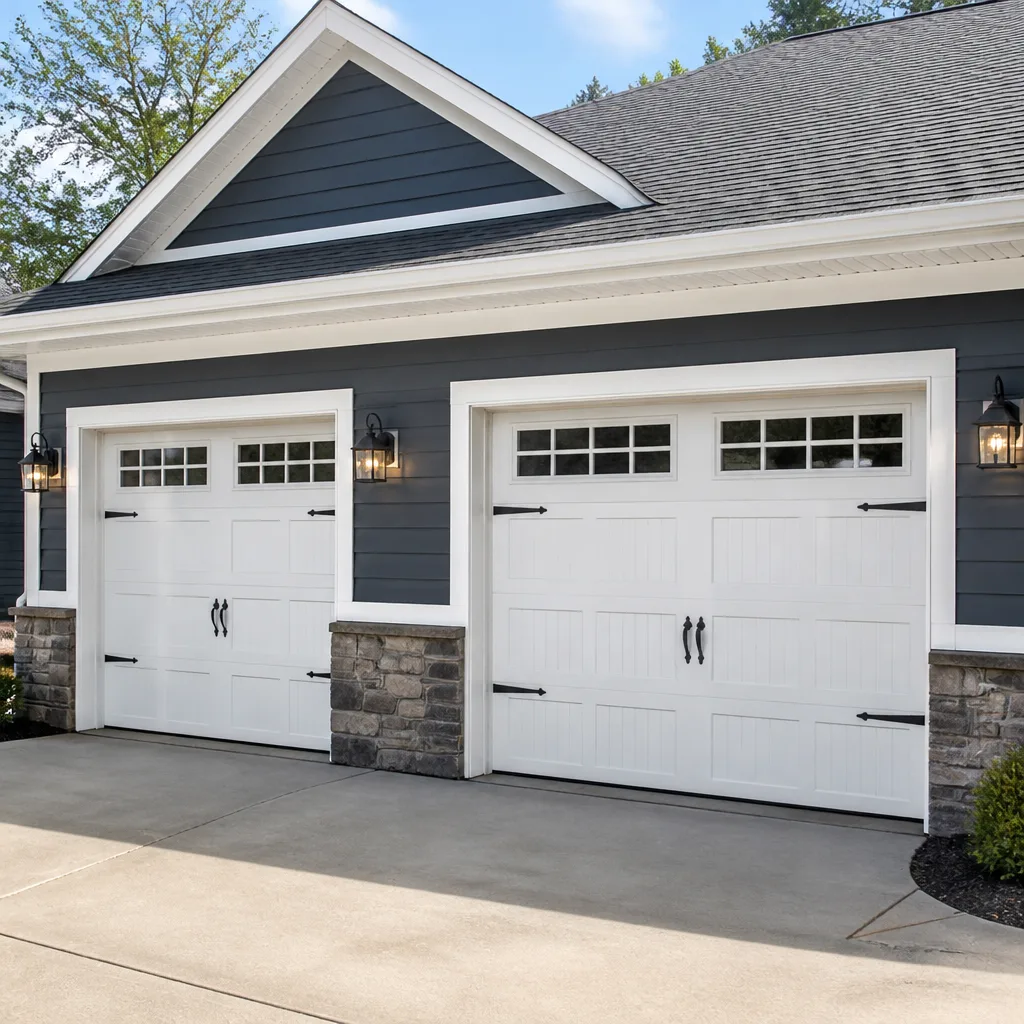 LiftMaster openers
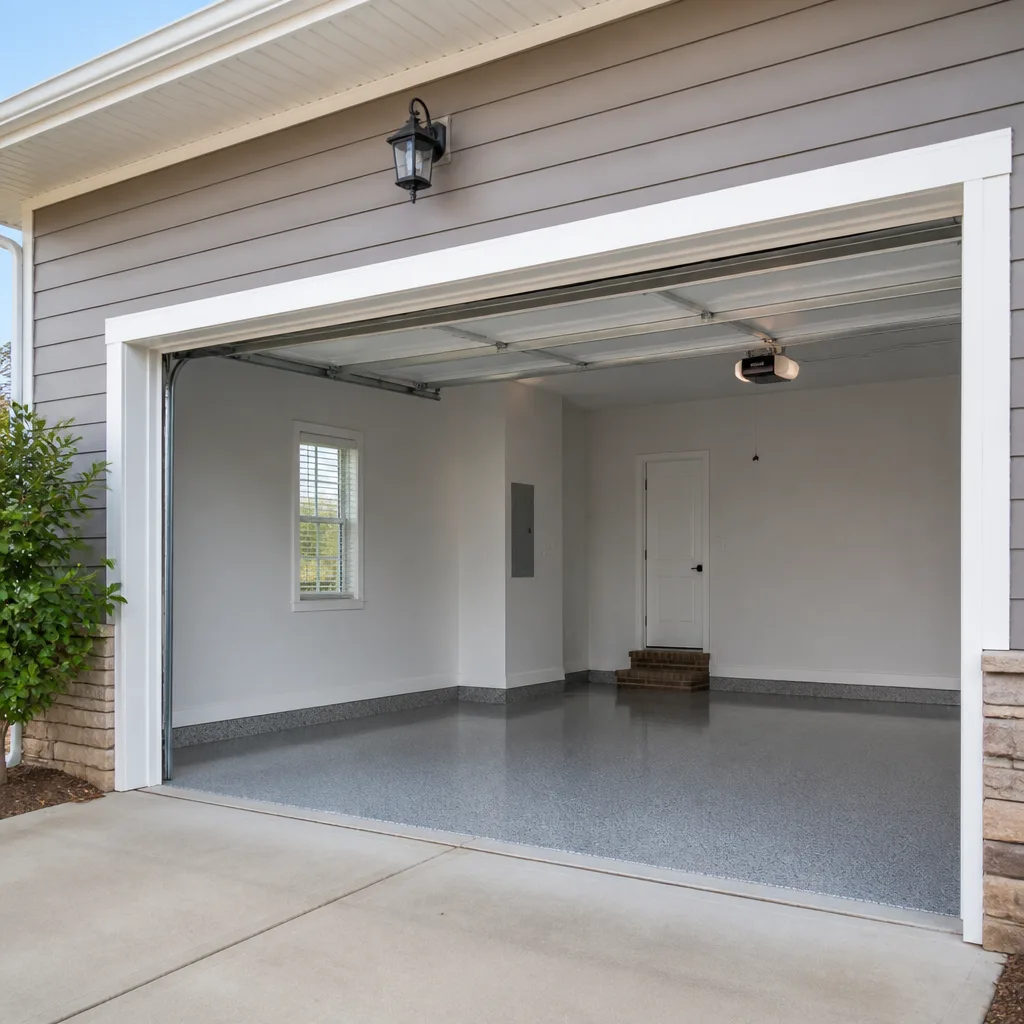 Chamberlain openers
Full 25-point door and opener safety check with every visit - springs, cables, rollers, tracks, and your LiftMaster or Chamberlain opener included
You get a price before we start. It does not change when the pro arrives.
Get your free estimateThe Complete Guide to Garage Doors in Shepherd Park
Most Shepherd Park garages were built before the standard 16-foot-wide door existed. That single fact breaks most of the garage door advice you’ll find online. The “just replace it with an off-the-shelf door” approach assumes a modern opening, modern headroom, and a driveway approach that a delivery truck can reach. On the blocks around Shepherd Park, you’re more likely dealing with a narrow rowhouse opening, a low-headroom torsion setup, or an alley garage with its own electrical quirks.
This guide maps every garage door decision to the housing stock you actually live in: historic rowhouses, detached Colonials, and alley-access garages. You’ll learn how to size a spring for a nonstandard opening, which door styles fit DC Historic Preservation guidelines, why detached garages often need their own electrical run before an opener goes in, and which materials survive DC’s humidity-and-freeze cycle without warping or rusting. We work on these doors in Shepherd Park regularly, and this is the version of the guide we wish every homeowner had before they called.
Quick Answer
Garage door work in Shepherd Park succeeds or fails on three things: measuring the actual opening (not assuming it’s standard), matching springs and openers to the real headroom and power supply you have, and choosing a door material and style that survives DC’s swing between humid summers and hard freezes. A standard replacement door won’t fit many Shepherd Park garages without modification, and historic-district considerations can shape what’s allowed on the front-facing elevations. Get the measurement and the material right first, and the rest of the decision gets much simpler.
If you’d rather hand the whole thing to someone who already knows these constraints, our Garage Door Repair Shepherd Park team handles repair, springs, openers, and full installation under one call, and estimates are free.
Styles & brands we work with
- Raised-panel steel
- Carriage house
- Modern flush
- Full-view glass
- LiftMaster openers
- Chamberlain openers
Table of Contents
- How Shepherd Park’s Housing Stock Shapes Your Garage Door Options
- Alley Garages and Door Type: Single vs. Double, Swing-Out vs. Roll-Up
- Door Styles and DC Historic Preservation Guidelines
- Torsion Spring Sizing for Low-Headroom and Nonstandard Openings
- Why Detached Garages Often Need a Dedicated Electrical Run
- Materials That Hold Up to DC’s Humidity-and-Freeze Cycle
- Matching Openers and Brands to Your Door
- A Simple Maintenance Calendar for Shepherd Park Homes
How Shepherd Park’s Housing Stock Shapes Your Garage Door Options
Walk the streets of Shepherd Park and you’ll see three garage situations, and each one pushes you toward a different door and opener decision. The first is the historic rowhouse, where the garage was often carved out of a rear addition or basement level and the opening is narrower and lower than today’s standard. The second is the detached Colonial-era garage sitting at the end of an alley or a shared driveway, usually with a single-car opening and a roof that’s seen a lot of DC weather. The third is the newer infill or renovated garage, which sometimes was built to fit a modern car but rarely to fit a modern 16-foot door.
Here’s why this matters before you buy anything:
- Opening width: A true single-car opening is typically around 8 to 9 feet wide. If your garage was built for a period car, even that can be tight.
- Headroom: The distance from the top of the door to the ceiling determines whether you can use a standard torsion setup or need a low-headroom configuration.
- Approach: Alley-access garages often have a short, angled approach that limits how far a door can travel and how much clearance you have for a track system.
None of these are problems, but they’re all reasons a door ordered straight off a showroom floor can arrive and not fit. Measure the opening, the headroom, and the side clearance before you shop. If you’re not sure how to read those numbers, that’s exactly the situation where an on-site measure pays for itself. Our garage door repair team measures first and quotes second, so you’re not guessing at what will fit.
Alley Garages and Door Type: Single vs. Double, Swing-Out vs. Roll-Up
Alley garages are common in Shepherd Park, and they change the door conversation in ways a suburban guide never addresses. The first question is whether you have a single or a double opening, and the answer isn’t always obvious from the car count. A two-car garage with a structural pier between bays may really be two single doors, which changes cost, spring count, and opener choice. The second question is how the door moves: a sectional door that rolls up into the ceiling versus a swing-out or tilt door that pivots outward into the alley.
Swing-out and tilt doors need clearance in front of the garage to open. In a tight alley, that clearance may not exist, or it may block a shared right-of-way. Sectional roll-up doors travel up and back along tracks and need vertical headroom instead. That trade-off is the core decision for most alley garages in Shepherd Park.
A practical way to think through it:
- Measure the opening and the pier layout. Decide whether you’re really looking at one door or two.
- Check the outward swing clearance. If a swing-out door would block the alley or a neighbor’s access, it’s out.
- Check the headroom. A sectional door needs room above the opening for the tracks and the door panel to stow.
- Match the opener to the door. A heavier double door needs a stronger opener than a light single.
- Confirm the electrical supply. Many detached alley garages don’t have a dedicated circuit, which we cover below.
If your alley garage door won’t open or won’t close, that’s a different, more urgent problem, and our repair page covers the common failure modes and how we handle them.
Door Styles and DC Historic Preservation Guidelines
Shepherd Park sits in a part of DC where the historic character of the neighborhood matters, and if your garage faces a street or is visible from a public way, the style of your door can be subject to review. We’re not the authority on what’s allowed on your specific property. The DC Historic Preservation Office and your neighborhood’s review process are. What we can tell you is which door styles tend to fit the character of these homes and cause the fewest headaches in review.
In general terms, doors that read as “period appropriate” for early-to-mid twentieth-century DC homes tend to fare better than doors that read as ultra-modern:
- Paneled sectional doors with a traditional raised-panel or carriage-house look fit rowhouse and Colonial garages well.
- Carriage-style doors with decorative hardware and window lites suit detached garages that read as outbuildings.
- Flush or modern-ribbed doors can be a poor fit on a street of historic homes, even when they’re perfectly good doors.
Material and color matter too. A door that matches the trim and roofline of the house tends to sail through review more easily than a high-contrast door. Before you order, ask the city’s historic preservation office what applies to your address, and get any approval in writing before the door is manufactured. A door that’s ordered and then rejected is an expensive mistake, and it’s one we try to help homeowners avoid by talking through the style question early.
Torsion Spring Sizing for Low-Headroom and Nonstandard Openings
The torsion spring is the highest-tension, highest-risk component of any garage door system, and it’s also the part most sensitive to a nonstandard opening. Springs are sized to the weight of the door and the geometry of the opening. On a standard 7-foot-high door with normal headroom, the spring math is straightforward. On a low-headroom opening, which is common in older DC homes, the spring has to do the same work in less space, and getting the wire gauge and length wrong shortens the spring’s life and can leave the door unsafe.
A few realities worth understanding:
- Springs are matched to door weight, not door size. Two doors of the same width can need different springs if one has windows and insulation and the other doesn’t.
- A matched pair is usually replaced together. If one spring in a pair breaks, the other has taken the same cycles and is likely near the end of its life.
- Low-headroom configurations use different hardware. The spring may sit on a rear-mounted bar or use a different drum setup, and the parts aren’t interchangeable with a standard setup.
This is the part of garage door work where we most often see homeowners get into trouble by ordering a spring online and trying to install it themselves. A wound torsion spring stores enough energy to cause serious injury, and the tools and technique to install one safely aren’t things you can pick up from a video. Spring replacement done safely means a trained technician who sizes the spring to your door and your headroom. If you want a plan for the spring specifically, start with our garage door spring repair page, and call (855) 337-1732 to get a free estimate. We answer 24/7. Fast dispatch from 7am to 7pm, Sunday through Friday.
Why Detached Garages Often Need a Dedicated Electrical Run
Here’s a step that catches a lot of Shepherd Park homeowners during an opener install: the detached garage doesn’t have a proper electrical supply. An opener needs a dedicated circuit, and on a garage that was built decades ago or was originally a shed, the nearest power may be a single extension cord from the house, or no power at all. Running a proper circuit isn’t part of the opener install itself, but it has to happen first, and it’s the reason some opener jobs turn into a two-step project.
What to check before you buy an opener:
- Look for an outlet near the opener mounting point. An outlet on the far wall isn’t the same as one at the ceiling where the opener mounts.
- Check the circuit. An opener on a circuit shared with a freezer or a workshop light can trip and leave your door dead.
- Confirm the wiring is up to code. Older garages sometimes have wiring that a licensed electrician should look at before anything new is added.
- Plan the run if there’s no power. An electrician runs a dedicated circuit from the house to the garage, and the opener install happens after.
We can tell you what the opener needs, but the electrical work itself is a licensed electrician’s job. That division of labor is normal and it’s worth knowing up front so the timeline doesn’t surprise you. Once the power is in place, our garage door opener repair team installs and tests the opener on the same visit.
Materials That Hold Up to DC’s Humidity-and-Freeze Cycle
DC’s climate punishes garage doors in a specific way. Summer humidity swells wood and can warp a poorly sealed door, then a hard winter freeze can crack a finish that wasn’t applied right, and a spring thaw gets moisture into every seam. A door that looks fine in the showroom can be warped or rusting within a few years if the material wasn’t chosen for this climate. The goal is a door that doesn’t absorb moisture and doesn’t hold it against a steel skin.
Here’s how the common door materials hold up around Shepherd Park:
- Insulated steel: The most reliable choice for this climate. It doesn’t warp, and a factory finish won’t rust through the way a field-painted door can at the seams. Look for a door with a baked-on finish rather than one that needs painting.
- Wood and wood-composite: Beautiful on a historic home, but wood needs regular sealing and repainting to survive the humidity-and-freeze swing. A neglected wood door will warp, and warped panels put extra stress on the springs and opener.
- Aluminum: Light and rust-resistant, but it dents easily and doesn’t insulate well. Fine for a detached garage that’s really just storage.
- Fiberglass: Won’t rust or dent, and it holds up to moisture, but the finish can fade over time and the panels can feel flimsy on a larger door.
Brands like Clopay and Amarr make insulated steel doors in styles that fit historic homes, and those are the doors we most often recommend for Shepherd Park garages that face the street or sit in a historic review area. If you’re ready to look at options, our garage door installation page walks through what a proper install involves, and we’ll measure your opening so the door you order actually fits.
Matching Openers and Brands to Your Door
An opener is only as good as its match to the door it lifts. A heavy insulated double door needs a stronger opener than a light single, and a low-headroom setup may need a specific type of opener or a jackshaft design that mounts on the side rather than the ceiling. Getting the opener and the door right together is the reason we handle both under one call instead of pushing you toward a separate opener specialist.
We’re trained on the major brands you’ll find on Shepherd Park doors, including LiftMaster, Chamberlain, Genie, Clopay, Amarr, Wayne Dalton, Craftsman, and Raynor. That matters because the hardware on your door is specific. A LiftMaster or Chamberlain opener with myQ smart-home integration behaves differently from a legacy Craftsman or Genie drive system, and the troubleshooting steps aren’t the same. When a technician arrives already familiar with the brand on your door, the diagnosis is faster and the fix usually happens on the same visit.
If your opener is the problem, start with our garage door opener repair page. If you’re replacing the opener as part of a new door, the opener choice gets made alongside the door at the measure.
A Simple Maintenance Calendar for Shepherd Park Homes
Garage doors don’t need much, but the few things they need matter, and this climate makes them matter more. A short maintenance routine stretched across the year keeps the springs, rollers, and opener from failing at the worst possible moment. Here’s what we suggest for a Shepherd Park garage door:
- Spring and fall: visual inspection. Look at the springs for gaps or a stretched coil, check the cables for fraying, and look at the rollers for wear. If anything looks off, stop using the door and call.
- Spring and fall: lubrication. A garage door lubricant on the hinges, rollers, and tracks keeps things moving and cuts noise. Don’t use grease, which attracts grit.
- Before winter: weather seal check. The bottom seal should sit flat against the floor. A gap lets cold air and moisture in and stresses the door.
- After winter: balance test. Disconnect the opener and lift the door halfway by hand. It should stay put. If it drops or rises on its own, the springs need attention.
- Once a year: opener and safety-reverse test. Put an object in the door’s path and confirm it reverses. If it doesn’t, the safety sensors or opener need attention.
None of these require tools beyond a lubricant spray and a little attention. What they can’t fix is a failing spring or a bent track, and those are the calls that need a technician. Our garage door repair team handles those, and estimates are free.
Common Mistakes to Avoid
- Ordering a standard 16-foot door for a nonstandard opening. Many Shepherd Park garages were built before that width was standard, so the door arrives and doesn’t fit. Measure the opening and the headroom before you order anything.
- Replacing one spring of a pair. When one torsion spring breaks, the other has cycled the same number of times and is likely close behind. A matched pair is usually replaced together, and skipping the second one just sets up a second failure.
- Installing an opener on a detached garage with no dedicated circuit. It works until the circuit trips or the wiring turns out to be inadequate. Confirm the electrical supply before the opener install, and have a licensed electrician run the circuit if it’s missing.
- Choosing a door material without thinking about the climate. A wood door that needs regular sealing can warp within a few years if it’s neglected, and a poorly finished steel door can rust at the seams. Insulated steel with a factory finish is the low-maintenance choice for most Shepherd Park garages.
- Ordering a door before checking historic review. On a street where historic character matters, a modern flush door can be rejected in review. Get any approval in writing before the door is manufactured.
- Ignoring a bent track or a frayed cable. These are signs of a door that’s about to fail, and a cable under tension can cause serious injury. Don’t keep operating a door that’s visibly damaged.
- Trying to replace a torsion spring yourself. A wound torsion spring stores enough energy to injure or kill. Spring replacement is a job for a trained technician with the right tools, and it’s not a place to save a few dollars.
See the difference
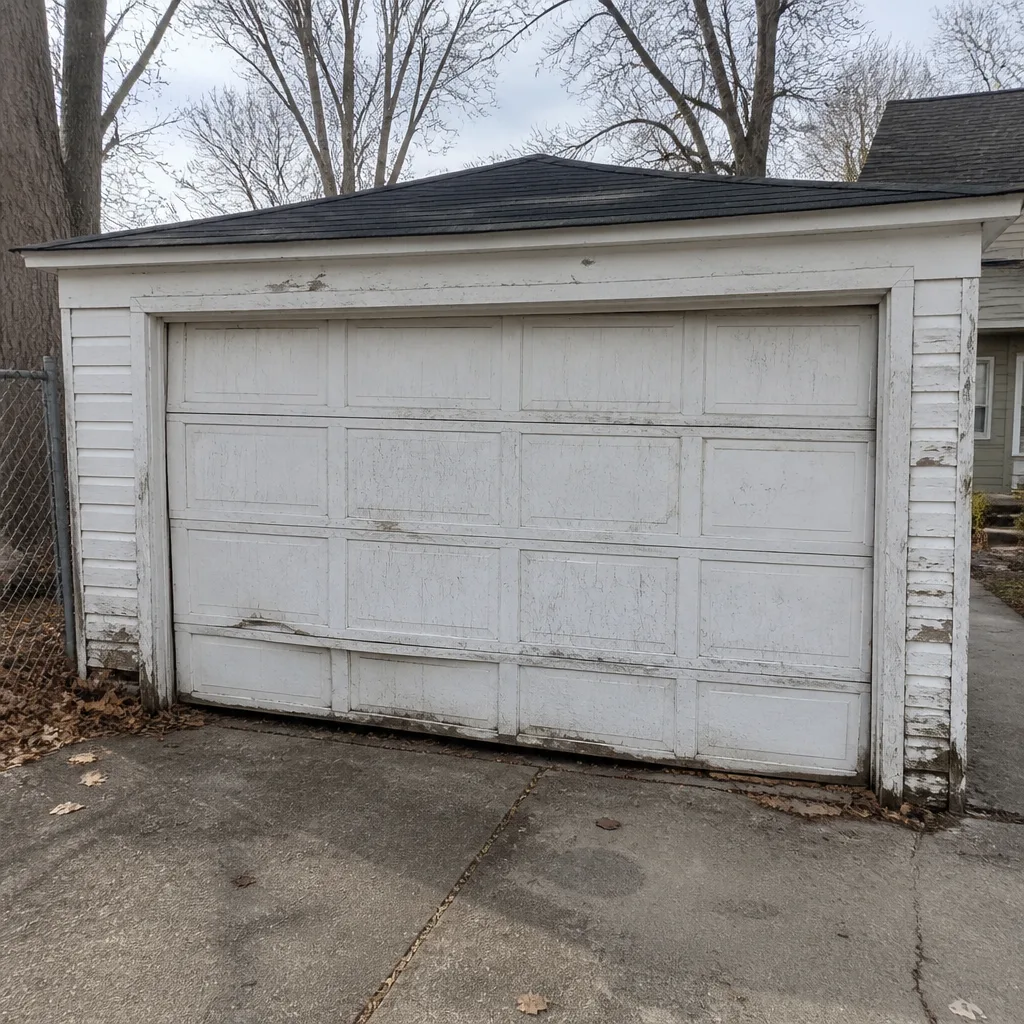 Before
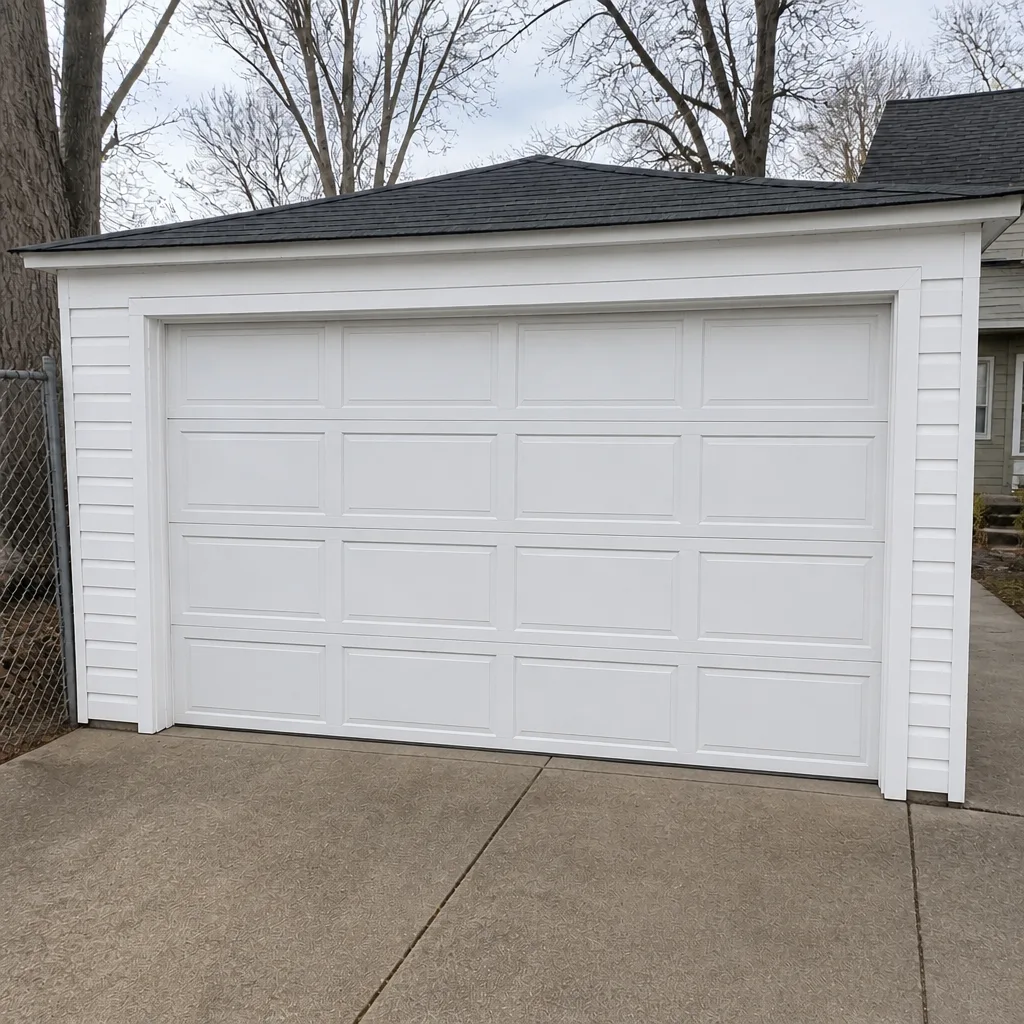 After
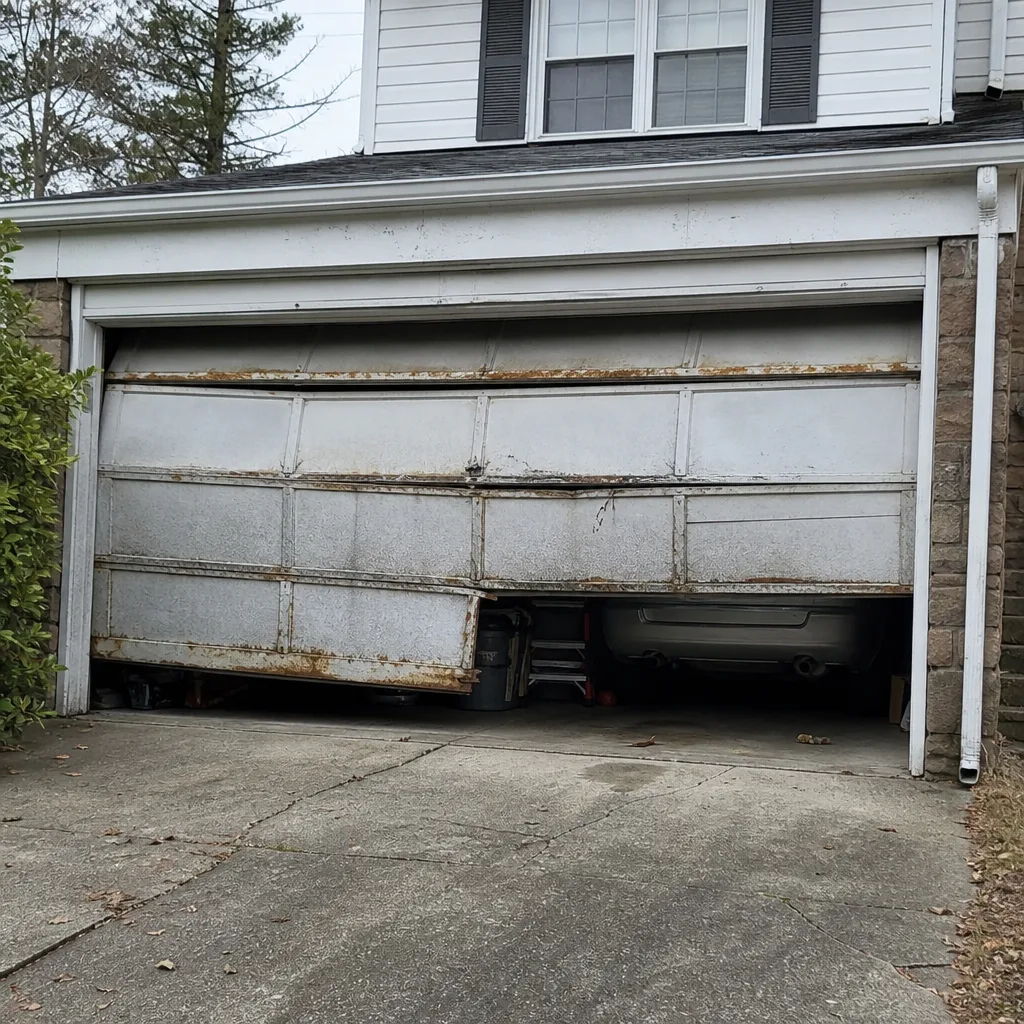 Before
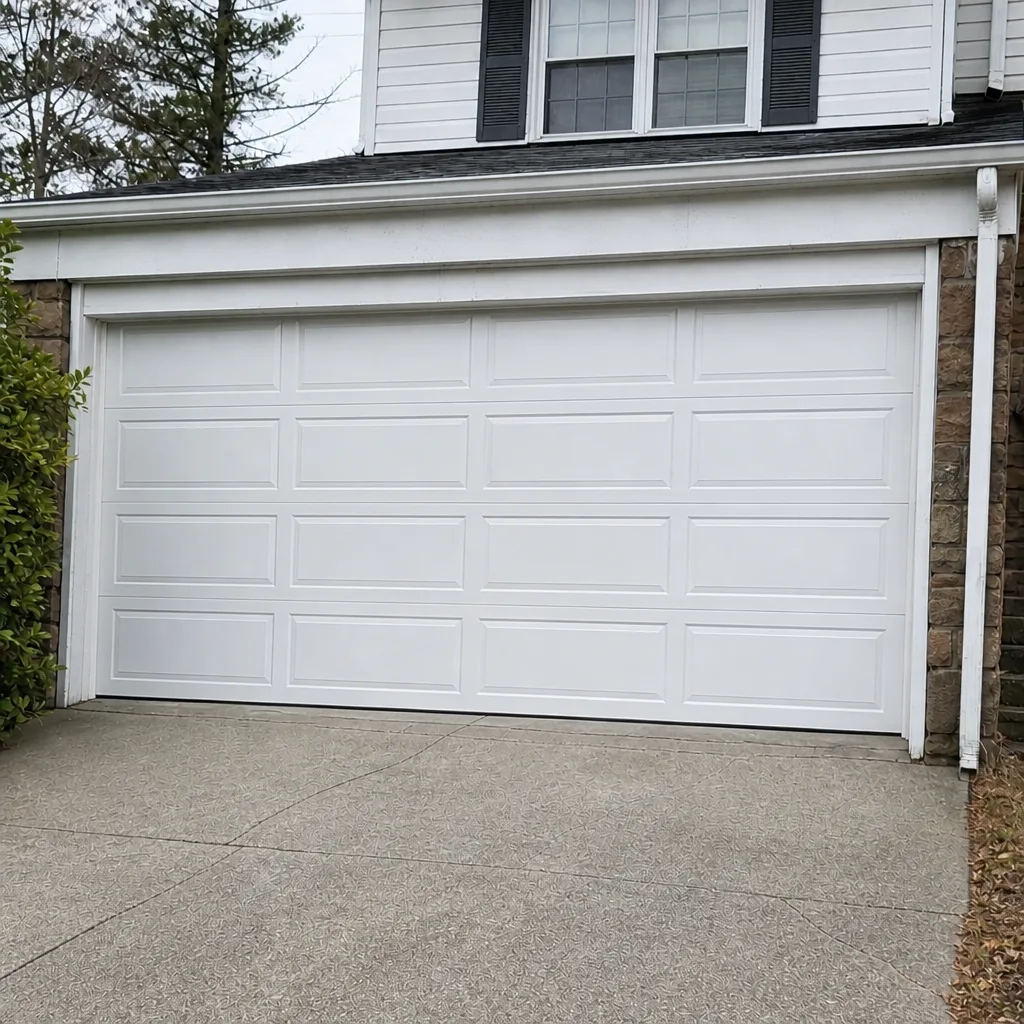 After
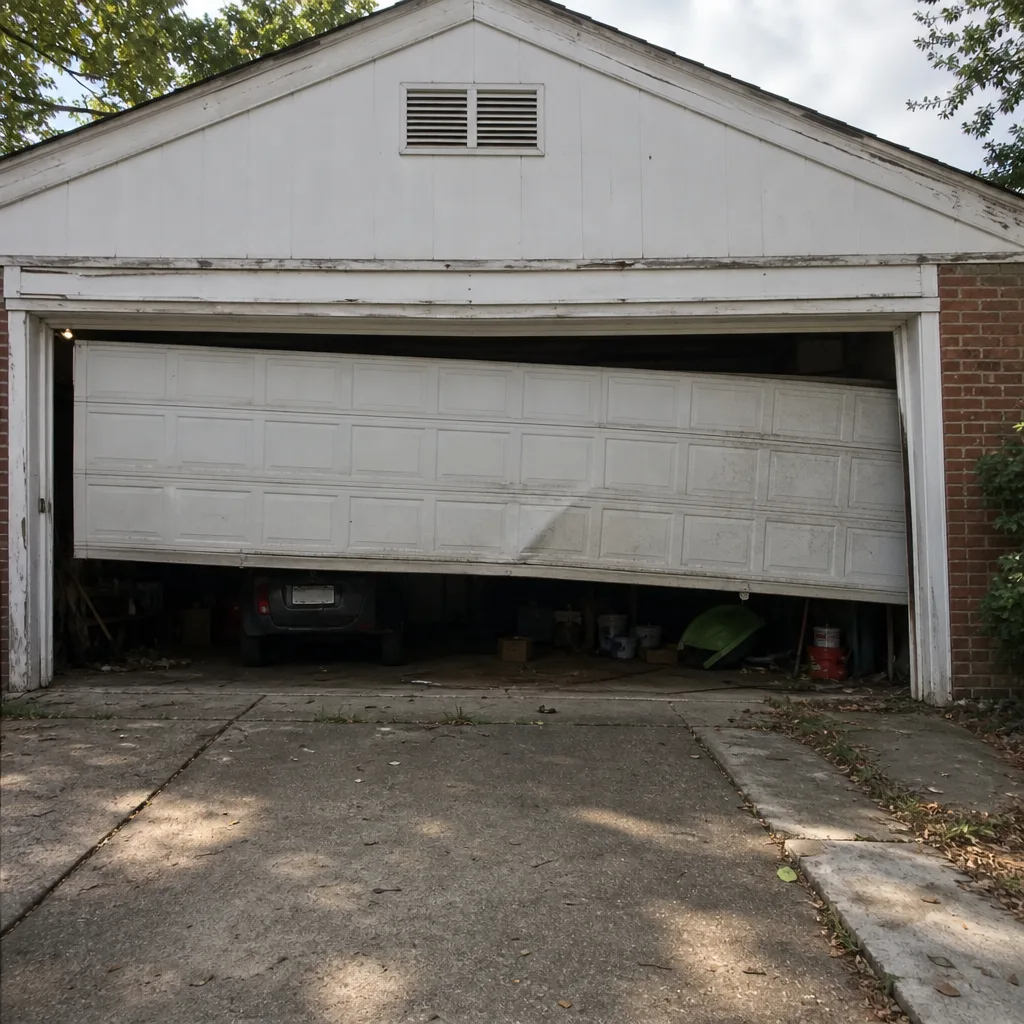 Before
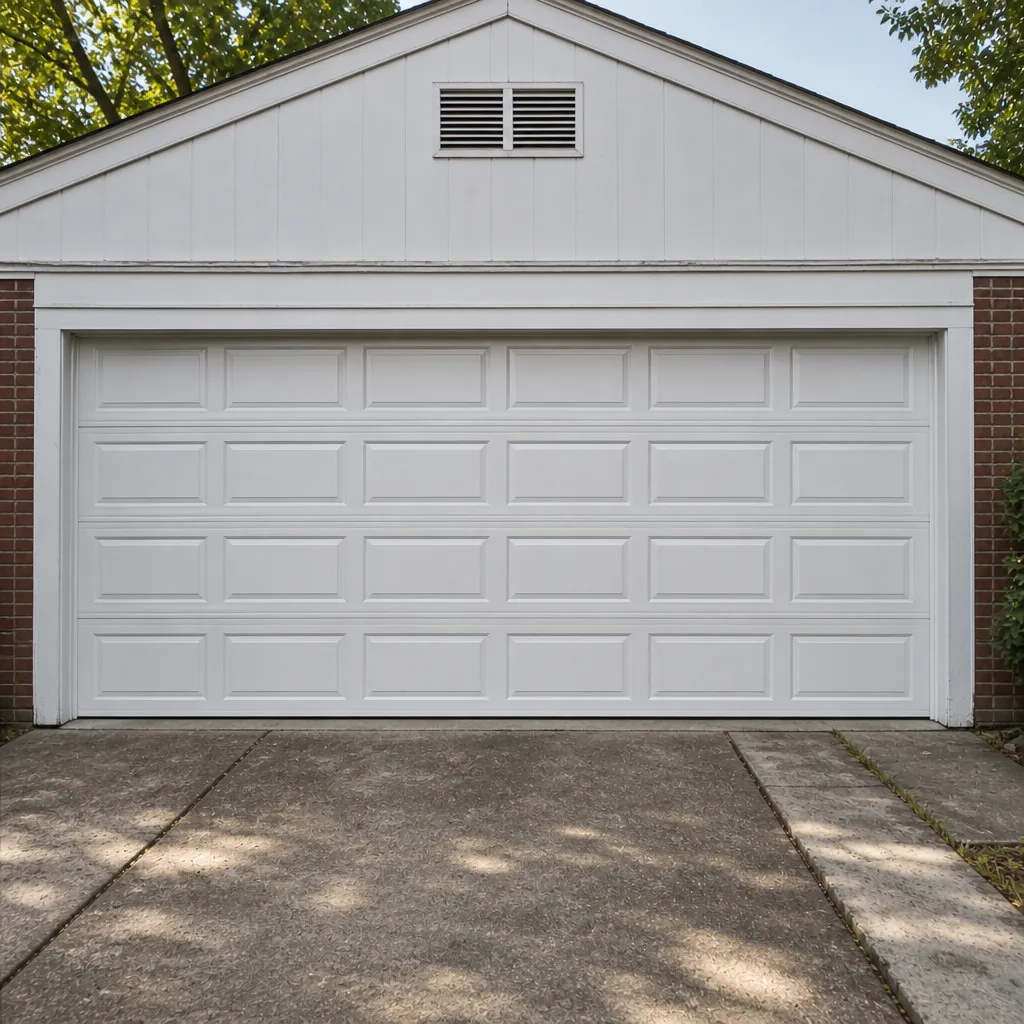 After
When to Call a Professional
Some garage door issues are a five-minute fix. Others are a safety risk the moment you touch them. Call a professional when the door won’t open or won’t close, when you see a gap in a torsion spring or a frayed cable, when the door is visibly out of balance and won’t stay up on its own, or when the opener runs but the door doesn’t move. Call when a bent track is pulling the door off its line, or when a detached alley garage needs an opener install and the electrical supply isn’t clear. And call before you order any new door, because the measurement and the material choice are what make a replacement go smoothly. Garage Door Repair Shepherd Park offers free estimates in Shepherd Park. Call (855) 337-1732. We answer 24/7. Fast dispatch from 7am to 7pm, Sunday through Friday.
Frequently Asked Questions
A new garage door in Shepherd Park typically runs from a few hundred dollars for a basic single door to a few thousand dollars for an insulated steel double with windows and hardware, depending on size, material, and installation complexity. The door has to be measured, ordered, and scheduled, so a replacement isn’t a same-day job. Call (855) 337-1732 for a free measure and a written estimate. The price is set by the written estimate before any work starts.
Many Shepherd Park garages were built before the standard 16-foot-wide door existed, so the openings are narrower and the headroom is lower than a modern door assumes. A standard door ordered off the shelf can arrive and not fit. Measure the opening, the headroom, and the side clearance before you order, or let a technician measure for you.
It depends on your address and whether the garage is visible from a public way. Shepherd Park sits in a part of DC where the historic character of the neighborhood matters, and the DC Historic Preservation Office is the authority on what applies to your property. Ask them before you order, and get any approval in writing so the door isn’t manufactured and then rejected in review.
Yes, in most cases a broken garage door spring can be repaired the same day. Same-day service is a real capability, not a marketing line. Call (855) 337-1732 and we’ll book a visit. We answer 24/7. Fast dispatch from 7am to 7pm, Sunday through Friday.
Yes, but the electrical run has to happen first. An opener needs a dedicated circuit, and if your detached Shepherd Park garage doesn’t have one, a licensed electrician runs it from the house. The opener install happens after the power is in place, and we handle that part and test the opener on the same visit.
Insulated steel with a baked-on factory finish holds up best to DC’s humidity-and-freeze cycle. It doesn’t warp like wood, and the factory finish resists rust at the seams better than a field-painted door. Wood and wood-composite doors can look right on a historic home, but they need regular sealing and repainting to survive the seasons.
The Bottom Line
Shepherd Park’s garages are older and more varied than a generic guide assumes, and that’s the whole story. Measure the opening and the headroom before you shop. Match the door to the alley and the historic character of your street. Size the springs to the door and the space you actually have, and get real about the electrical supply on a detached garage before the opener goes in. Choose a material that survives the humidity-and-freeze swing. None of these steps are complicated, but skipping any of them is what turns a straightforward project into a recurring headache. If you’d rather hand it to someone who already knows what’s on the door, our team is one call away, and estimates are free.
Contact
Whether you need a spring replaced, an opener diagnosed, or a full new door measured and installed, we’re ready when you are. One call covers the door and the opener, and we arrive already familiar with the brand on your door. Call (855) 337-1732 for a free estimate. We answer 24/7. Fast dispatch from 7am to 7pm, Sunday through Friday.
Written by the team at Garage Door Repair Shepherd Park.