
Last updated November 21, 2026
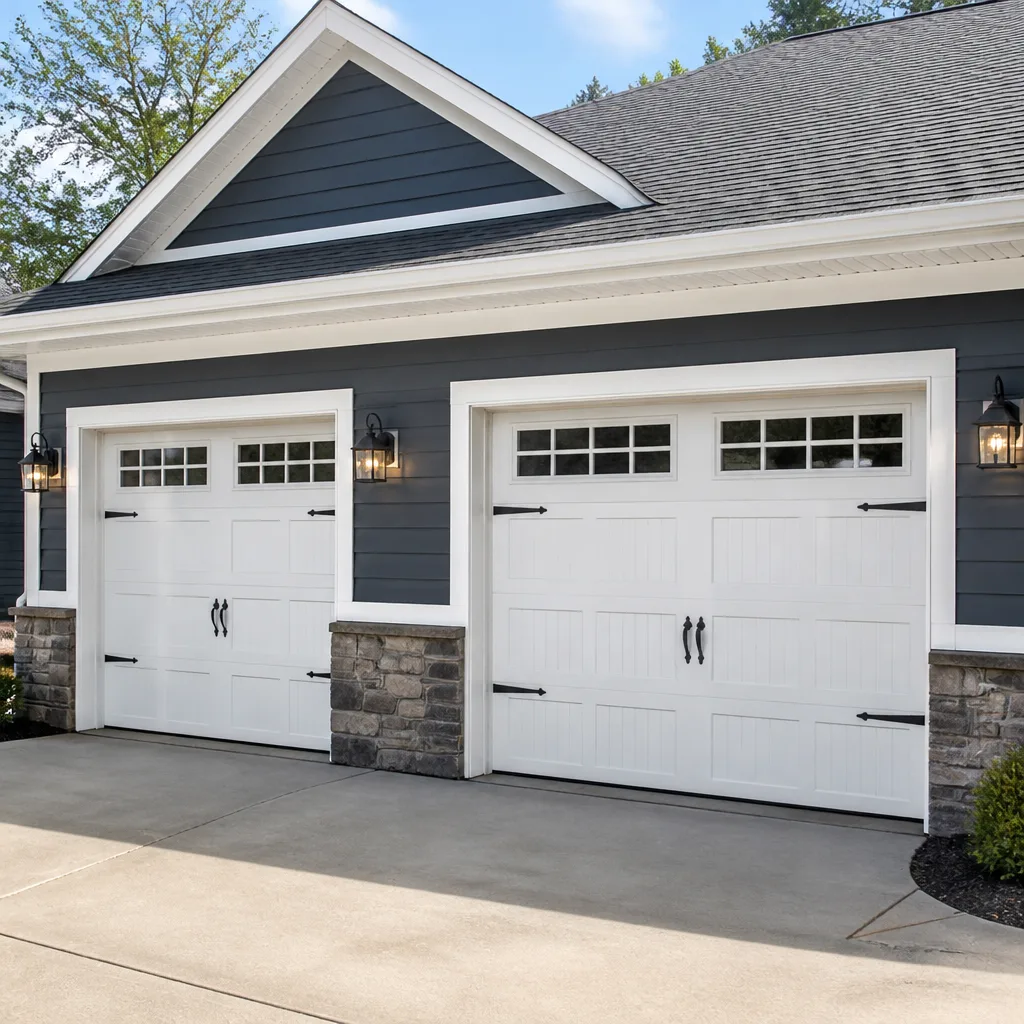
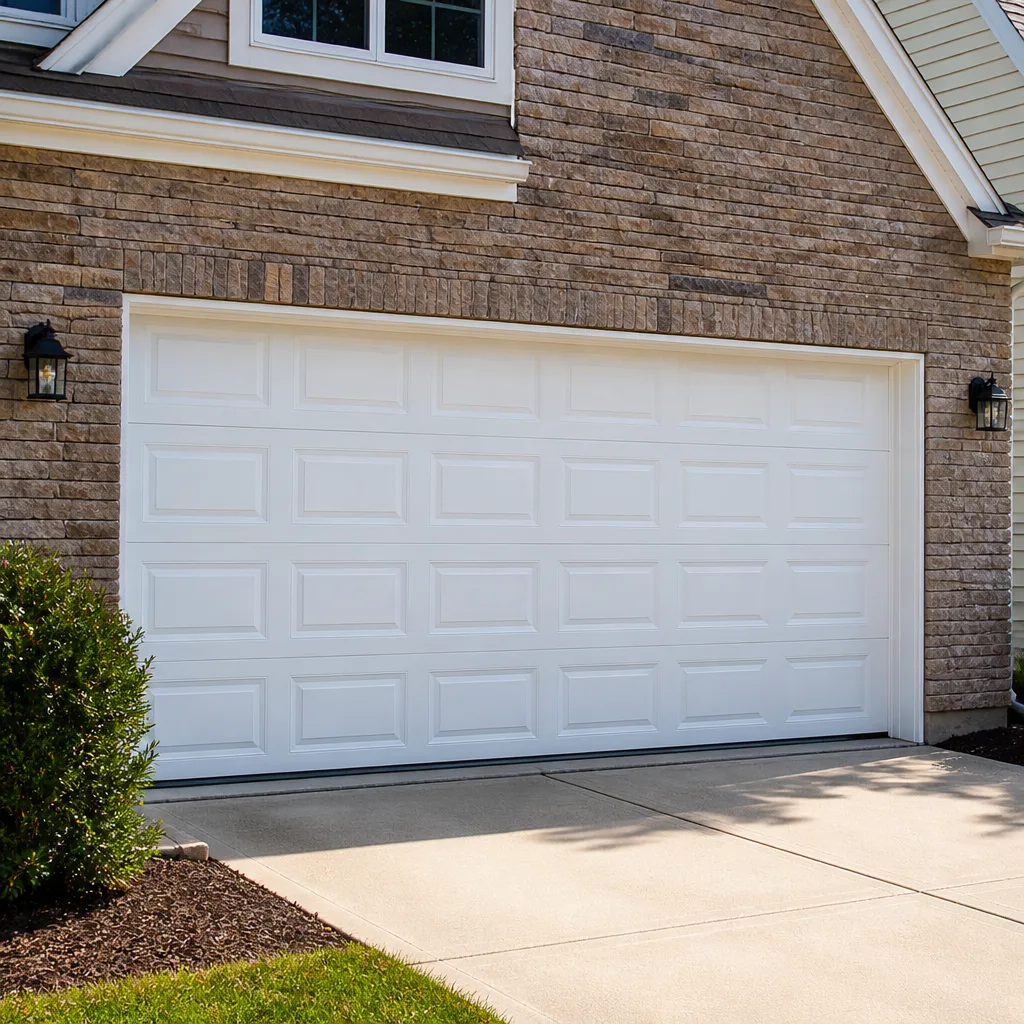 Raised-panel steel
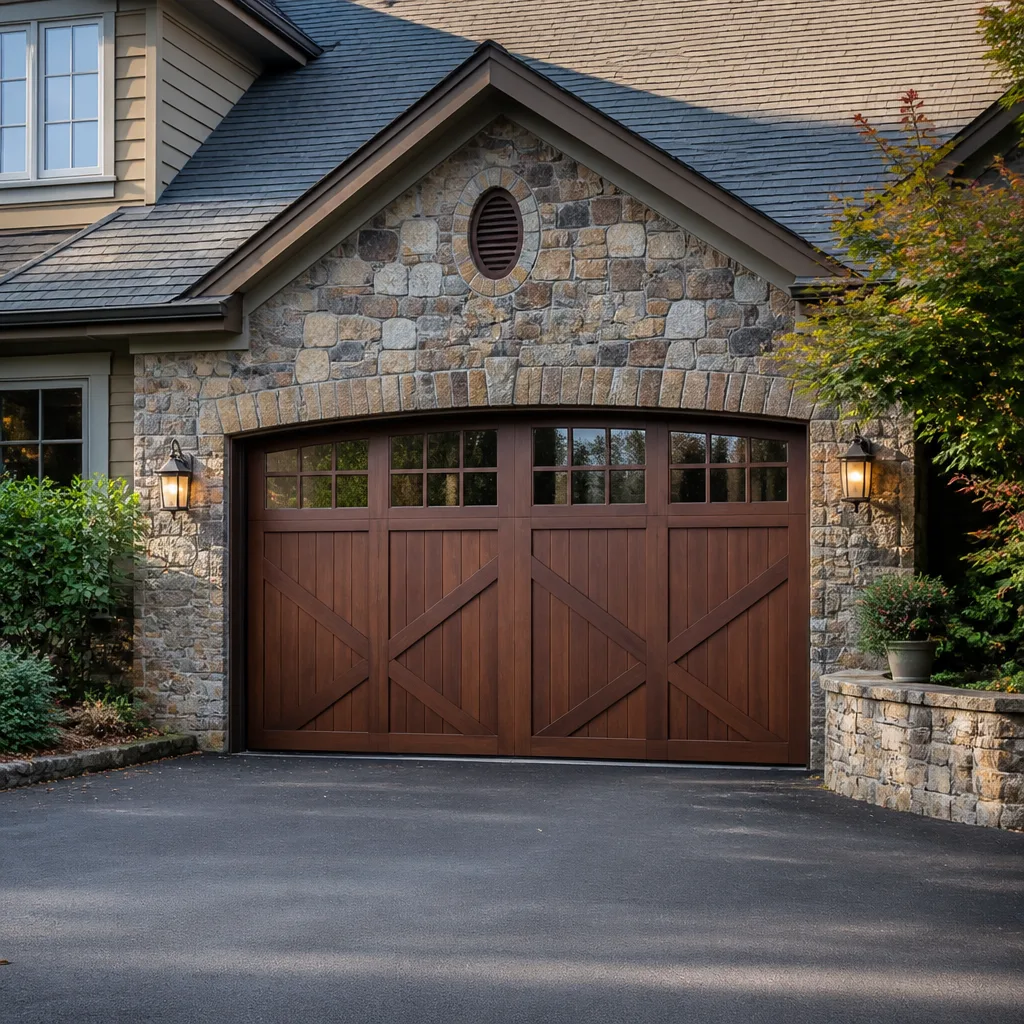 Carriage house
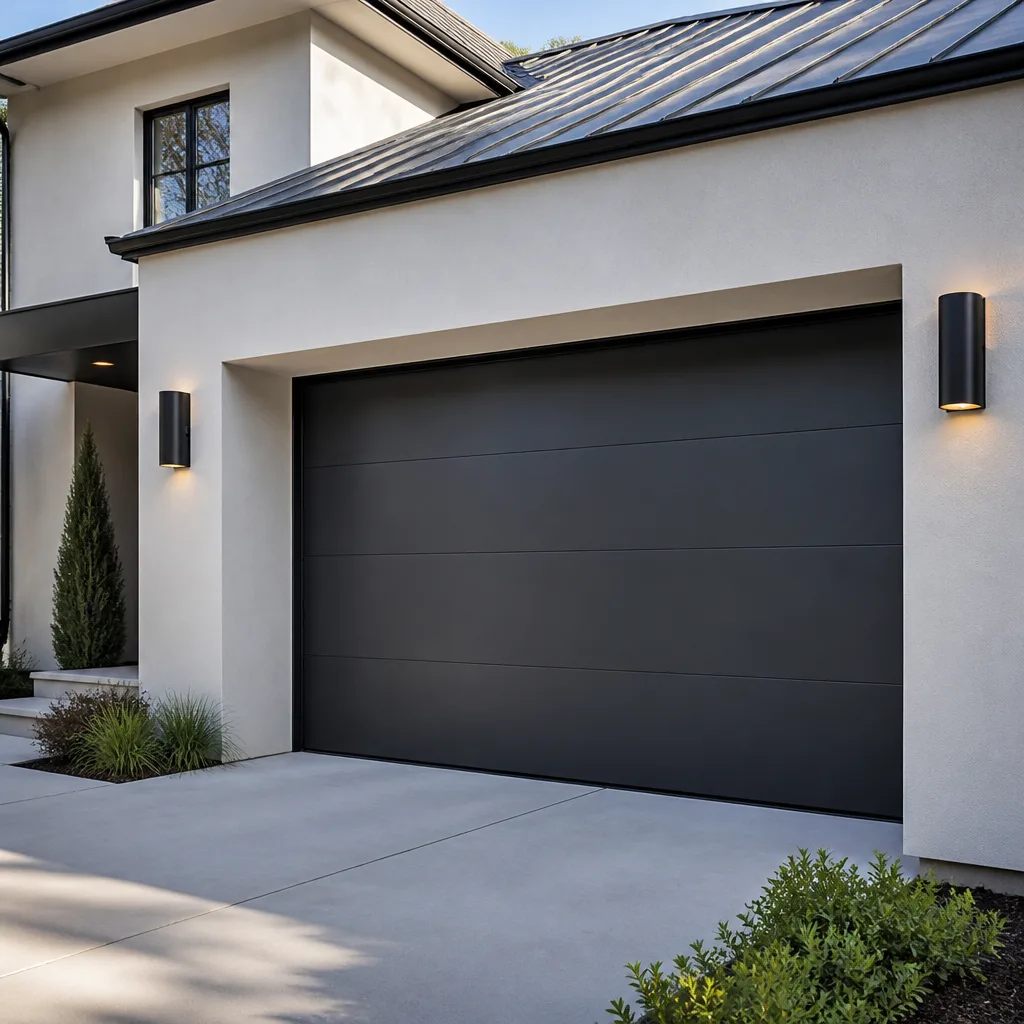 Modern flush
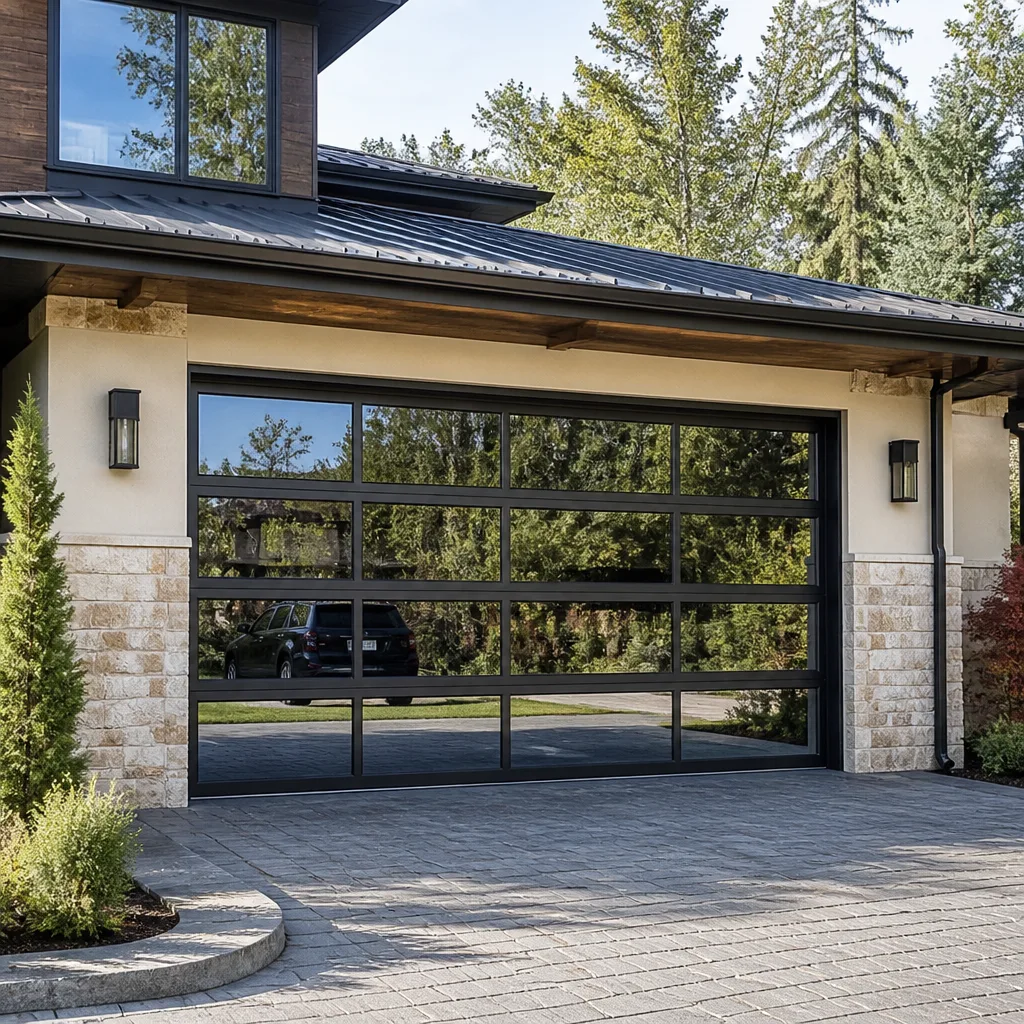 Full-view glass
 LiftMaster openers
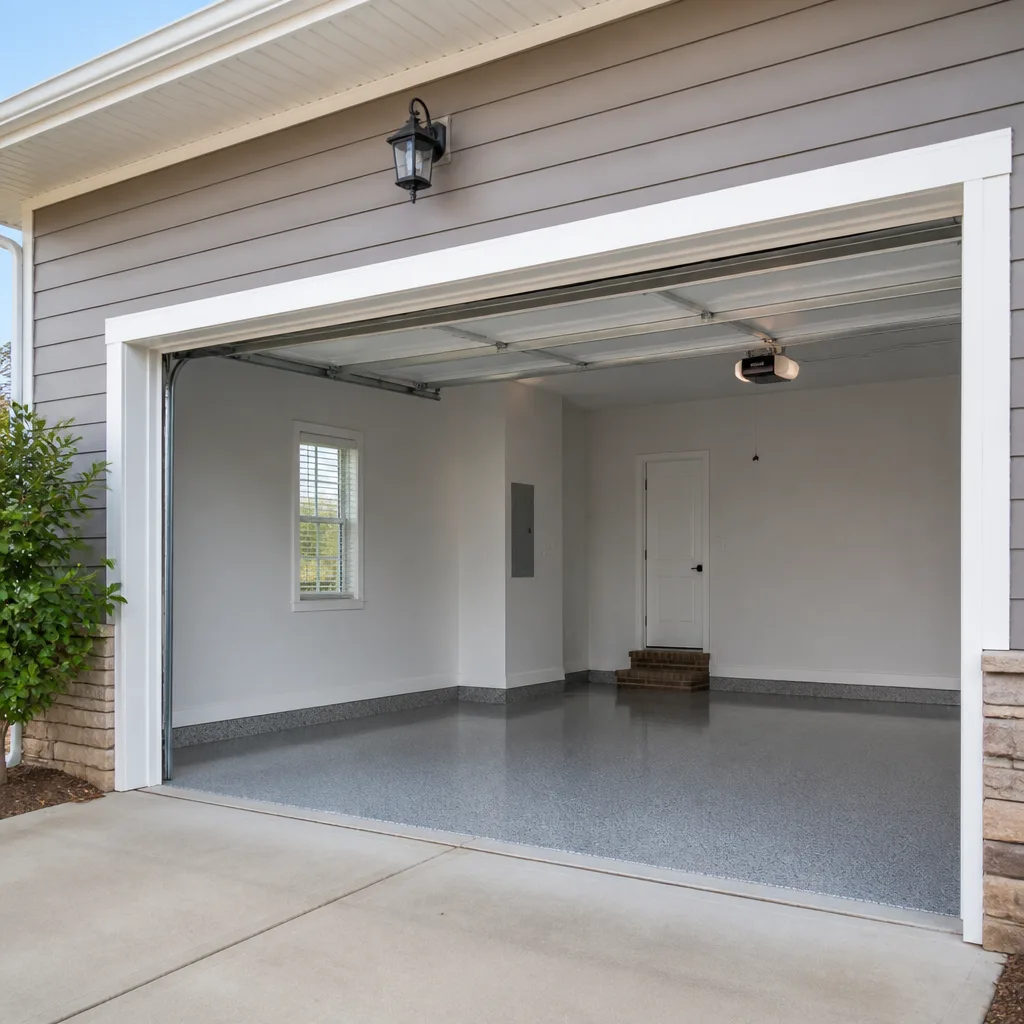 Chamberlain openers
Full 25-point door and opener safety check with every visit - springs, cables, rollers, tracks, and your LiftMaster or Chamberlain opener included
You get a price before we start. It does not change when the pro arrives.
Get your free estimateSeasonal Garage Door Care for Shepherd Park: Year-Round Homeowner’s Guide
The spring that snaps in January didn’t fail in January. It fatigued in August, when heat expansion put it through hundreds of micro-stress cycles that nobody accounted for. That’s the part most homeowners miss: a garage door isn’t one machine that needs one annual tune-up. It’s a stack of parts that each age on a different schedule, and Shepherd Park weather hits them in sequence. Summer cooks the springs. Fall exposes the seals. Winter starves the opener of torque. Spring drags road salt into the cables. This guide breaks the year into months that match Washington’s actual weather and tells you what to check in each one, so you’re replacing a worn part instead of a broken system.
Quick Answer
Garage door care in Shepherd Park should follow the season, not a single yearly tune-up. Check spring tension and balance before summer heat peaks, inspect and reseal weatherstripping before the first freeze, adjust opener force settings when cold mornings arrive, and look over cables and drums for rust and fatigue after the winter salt season. Small checks in the right month prevent most of the failures we get called for.
Styles & brands we work with
- Raised-panel steel
- Carriage house
- Modern flush
- Full-view glass
- LiftMaster openers
- Chamberlain openers
Table of Contents
- Why Shepherd Park’s Climate Ages a Garage Door Unevenly
- Summer: Thermal Expansion and Torsion Spring Tension
- Fall: Weatherstripping and Bottom Seal Before the First Freeze
- Winter: Opener Torque and Force Settings in the Cold
- Spring: Cable and Drum Inspection After Salt Season
- Your Month-by-Month Action Calendar
- What a Five-Minute Monthly Check Looks Like
- Common Mistakes to Avoid
Why Shepherd Park’s Climate Ages a Garage Door Unevenly
Shepherd Park sits in a climate band that delivers real thermal extremes: humid summers that push past 100°F and winter snaps that drop well below 20°F. That swing is what separates local maintenance from the generic checklist you’ll find on most manufacturer sites. Metal expands in the heat and contracts in the cold, and every cycle leaves a little residual stress in the moving parts. A torsion spring that gets cycled between those extremes may run through hundreds of small stress events before a single cold snap finally finishes it.
The housing stock matters too. Many Shepherd Park garages are attached and uninsulated above or behind the doors, which means the door’s metal surface tracks the outdoor temperature closely. On a west-facing opening, late afternoon sun can push a steel face panel noticeably hotter than the surrounding air. That heat warms the torsion spring, the cables, and the hinges along with it.
Then there’s the alley and driveway piece. Shepherd Park homes with alley-access garages see far more salt, grit, and wet leaf debris tracked onto door thresholds and cable paths than a street-facing garage does. That exposure doesn’t announce itself, but it’s exactly what shortens cable and drum life.
What all this means: a single annual tune-up gets the timing wrong for at least three of the four seasons. If your door has a Clopay steel panel or a Wayne Dalton torsion setup, the parts care about the calendar as much as the odometer. We’ve seen plenty of doors that were “just serviced” in May fail in the first cold week of December. That’s a schedule problem, not a parts problem.
Summer: Thermal Expansion and Torsion Spring Tension
Summer is when a torsion spring is quietly working its hardest. As the garage heats up, the metal expands, and the spring carries a slightly different load than it does in cool weather. Over weeks of 95°F afternoons, that shifts how the door balances. A door that feels fine in June can feel heavy coming down by early August. The spring hasn’t broken yet. It’s telling you it’s been cycled hard.
Before the heat peaks, get these checked:
- Balance test: with the opener disconnected, lift the door halfway by hand and let go. A properly balanced door should hold its position or drift slowly. If it drops fast or feels stiff, the spring tension is off.
- Torsion spring appearance: look for a visible gap, sag, or surface rust. A gap is a warning that the spring is near the end of its life, and it should be replaced before it lets go.
- Lubrication: a light application on rollers, hinges, and the torsion shaft helps parts slide through thermal expansion without grinding. It won’t save a fatigued spring; it reduces wear on everything around it.
- Panel heat: on a west-facing door, run a hand along the inner panel on a hot afternoon. If it’s noticeably warmer than the rest of the door, you’ll want to look at insulation and how the sun hits the opening.
One caution: do not adjust torsion spring tension yourself. A wound torsion spring stores enormous force, and the drum and cable assembly under it can release suddenly with no warning. Tension adjustment is a trained-professional job. Our technicians have up to 14 years of experience on springs, openers, and door systems, and they work on the major national brands, including Clopay and Amarr, with the right tools and the door held safely. If your door feels heavy or out of balance, call for garage door repair Shepherd Park before the heat does more damage.
Fall: Weatherstripping and Bottom Seal Before the First Freeze
Fall is the month to look at the seals, and the timing matters. Inspect bottom seals and side weatherstripping now, not after the first freeze. Once the cold sets in, a worn or cracked bottom seal turns rigid, and the gap it leaves lets in drafts, water, and cold air all winter. It’s a cheap part replaced in the fall. It’s an energy problem all January if you wait.
Walk the perimeter of the door with a flashlight or your phone light while the door is closed:
- Bottom seal: check for cracks, flattening, or a gap at one end. A door that doesn’t meet the floor evenly has a draft leaking under it.
- Side and top weatherstripping: press the rubber or foam along the jambs. If it’s brittle, torn, or not contacting the door, it needs replacing.
- Threshold: make sure the floor sill under the door is intact and drains or sheds water away from the opening. Pooled water at the threshold in fall can freeze at the bottom seal over the winter.
- Gap check: with the door closed, see if daylight shows through anywhere along the bottom or sides. That’s the draft path.
When weatherstripping is replaced, use a seal that matches your door’s track and panel type – a heavy steel door wants a different seal than a wood-composite panel door, and the fit matters for a clean seal line. If you’re unsure what fits, ask the technician who inspects it. Getting your seal replaced ahead of the frost keeps the garage closer to the house temperature and takes pressure off the opener force settings later.
Winter: Opener Torque and Force Settings in the Cold
Garage door openers lose torque in the cold. The motor works harder, the lubricant in the moving parts is thinner, and the door sits heavier on its tracks. When the thermometer drops below 20°F, that’s when a marginal opener starts straining, stalling, or reversing when it hits the bottom. It isn’t a dead opener. It’s an opener being asked to push more load than its force setting allows in cold weather.
Force settings are also where a lot of DIY overrides cause trouble. If you’re going to change a force setting on a LiftMaster or Chamberlain unit, or an older Genie or Craftsman system, know that pushing the force too high can override the safety reverse feature. If the door force setting is raised to force a struggling door through, and the door encounters an obstruction, the opener may keep pushing when it should reverse. That defeats the safety sensor logic entirely, and on many units it also voids the warranty.
What to do instead:
- Have the force setting checked, not forced up. A technician can confirm whether the door balance is actually the problem – a door that’s out of balance forces the opener to do work the springs should be doing.
- Check the safe-T-beam sensors after every cold snap. Sun glare, snow, or a frost-covered lens can trigger a reversal that looks like a force problem.
- Lubricate the tracks and rollers with a product rated for cold temperatures so the door glides instead of drags on a cold morning.
We handle garage door repair for opener force issues on LiftMaster, Chamberlain, Genie, and Craftsman systems, so a technician can diagnose whether it’s the setting, the door, or the unit itself before the whole assembly gets replaced. When your garage door won’t open or won’t close on a freezing morning, a quick call is faster than a self-repair guess.
Spring: Cable and Drum Inspection After Salt Season
Spring is when the winter’s salt and road grit show up on the cables. Shepherd Park alley-access garage doors are especially exposed: salt from the driveway and de-icer from the alley tracks onto the floor, sprays up onto the cable drums, and works its way into the cable winding. By March, a rusty cable is weaker than it was in October, and a fatigued drum can bind or fray the cable over a few weeks of use.
What to look for as the season turns:
- Cable strands: run a gloved hand along the cable and look for fraying, broken strands, or kinks. Any of these mean the cable needs replacement before it fails.
- Cable drums: check for rust scoring, wear, or a cable that’s jumped out of its groove. A cable off its drum is dangerous and should be left alone until a technician can assess it.
- Hinges and rollers: inspect for rust or binding from the winter grit. A quick cleaning and light lubrication extends their life.
- Bottom brackets and tracks: clean out debris and check for damage. On older doors with a Wayne Dalton or Amarr setup, worn brackets are worth catching early.
Do not handle a frayed or loose cable yourself. A tensioned cable can snap with serious force and is one of the components no homeowner should touch. A spring and cable inspection in early spring is a modest cost that keeps a worn cable from turning into a broken door and a trapped car. Spring replacement done safely is the same call as a cable inspection, so it’s a good time to book both.
Your Month-by-Month Action Calendar
Here’s the calendar we’d give a Shepherd Park homeowner, timed to this area’s frost dates and humidity peaks rather than a generic national schedule. It assumes an attached garage and an opener – adjust the details for your door type, but the timing holds.
- March: Post-winter cable and drum inspection. Clean road salt and grit off the tracks and bottom brackets, check cables for fraying, and lubricate rollers and hinges.
- April: Balance test with the opener disconnected. Listen for grinding or binding. If the door is stiff or drops fast, book a spring tension check.
- May: Clean and lubricate the full door system. Inspect weatherstripping for damage from the winter. Check the opener’s safety reverse function.
- June: Pre-summer spring check. Have spring tension verified before the heat peaks. Confirm the door isn’t overloaded by insulation or an added panel.
- July: Mid-summer heat month. Watch for strain on a west-facing door. Check the opener for extra effort on hot afternoons.
- August: Pre-fall seal inspection. Look at the bottom seal and side weatherstripping before cooler weather. If the seal is brittle or torn, replace it now.
- September: Threshold and drainage check. Clear the sill under the door and confirm water runs away from the opening.
- October: Final pre-freeze check. Seal replacement completed, opener force setting confirmed, and the door’s moving parts lubricated for the cold.
- November: Safe-T-beam sensor and reversal check. Confirm the safety sensors work before the cold mornings arrive.
- December through February: Minimal-action winter months. If the door gets stiff, dragging, or reverses, call. Don’t force the force setting.
This calendar is the year-round schedule we recommend for most Shepherd Park homes. It’s flexible – if your door is older or uninsulated, front-load the spring and cable checks a few weeks.
What a Five-Minute Monthly Check Looks Like
Between the seasonal checks, a five-minute monthly check catches small problems before they become repairs. Do this one time a month, and it takes less time than a coffee break.
Here’s the routine:
- Balance test: disconnect the opener, raise the door halfway, and let go. It should hold or drift slowly. If it drops or needs a strong lift, spring tension is off.
- Safety reverse test: place a small block of wood flat under the door’s path, close the door using the opener, and confirm it reverses when it meets the block. If it doesn’t, stop using the opener and have it checked.
- Safe-T-beam check: pass an object across the sensor beam between the two photo-eye units and confirm the door reverses.
- Noise and binding: run the door open and closed and listen for grinding, scraping, or a sudden change in sound. A door that gets noisier over a month is telling you something.
- Seal gap: look for daylight under and around the closed door. A new gap means a seal has started to fail.
That’s the whole monthly routine. It’s the fastest way to notice a spring, opener, or seal problem while it’s still a small one. When something fails the test, the right move is a call, not a stronger opener setting or a bigger wrench.
Common Mistakes to Avoid
- Doing one annual tune-up and calling it year-round care. A May tune-up doesn’t check the parts that fail in a January cold snap. Spread your checks across the seasons so each component gets attention when it’s most vulnerable.
- Raising the opener force setting to push a stiff door through. It can override the safety reverse feature, which is exactly what protects anyone in the door’s path. Force settings are a symptom, not a solution.
- Adjusting torsion spring tension yourself. A wound spring stores a dangerous amount of force. This is the one garage door component that should always be a professional call, no exceptions.
- Skipping seal inspection until after the first freeze. A brittle bottom seal is harder to replace and less effective in the cold. Inspect and replace it in the fall, before the frost arrives.
- Ignoring alley-side salt and grit on cables. Shepherd Park alley-access garages track in more road salt than street-facing ones. Clean and inspect the cables after salt season each year.
- Treating a heavy door as an opener problem. When a door feels heavy, the spring, not the motor, is usually at the source. Replacing the opener to fix a balance issue adds cost without solving the problem.
- Skipping the safety reverse test. It’s the single most important monthly check. A door that won’t reverse when it meets an obstruction is a hazard, regardless of the season.
See the difference
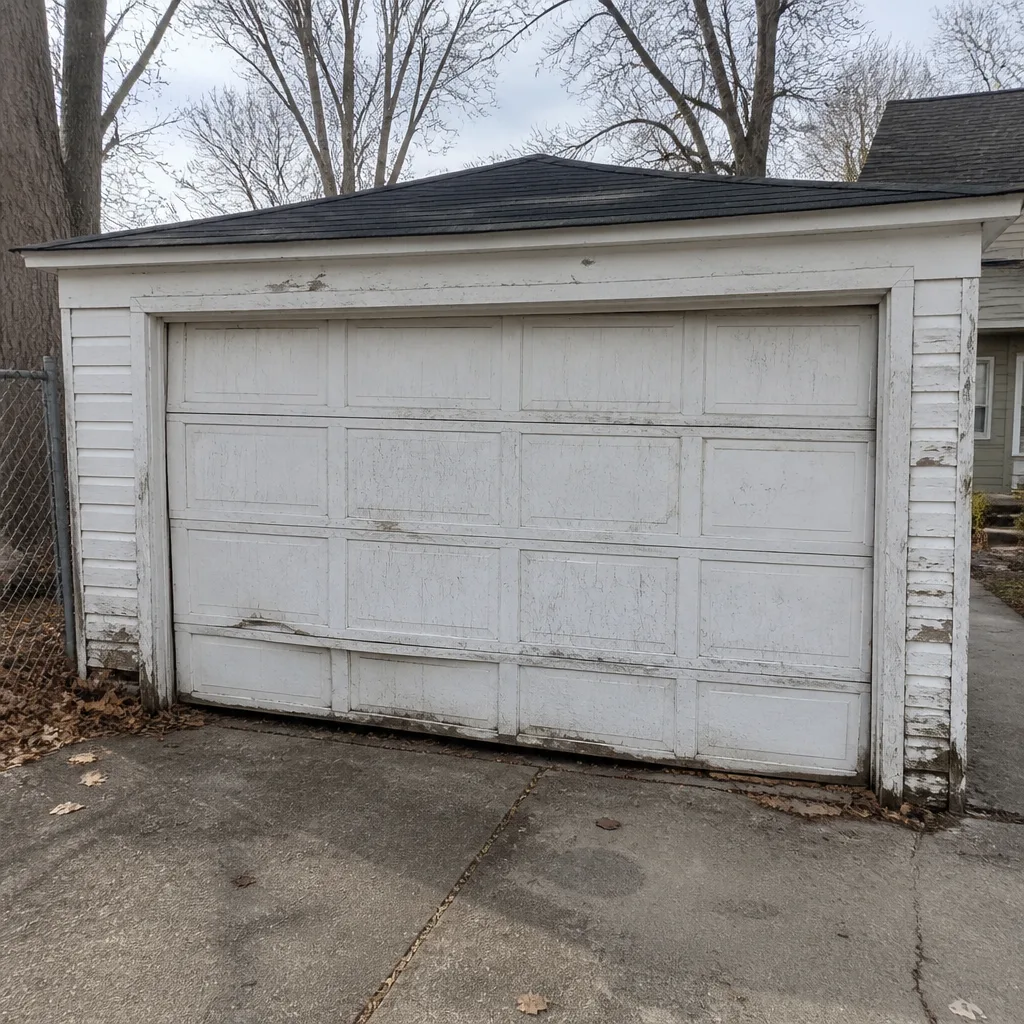 Before
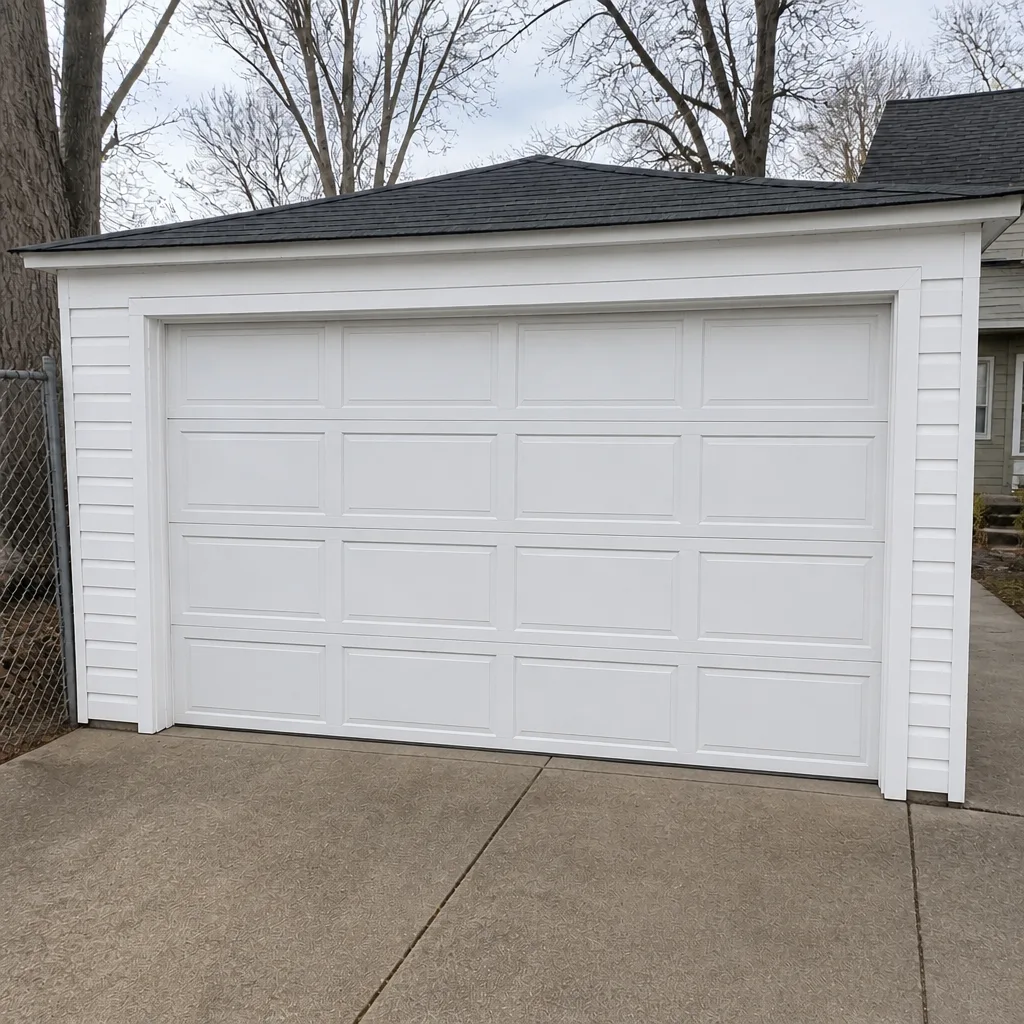 After
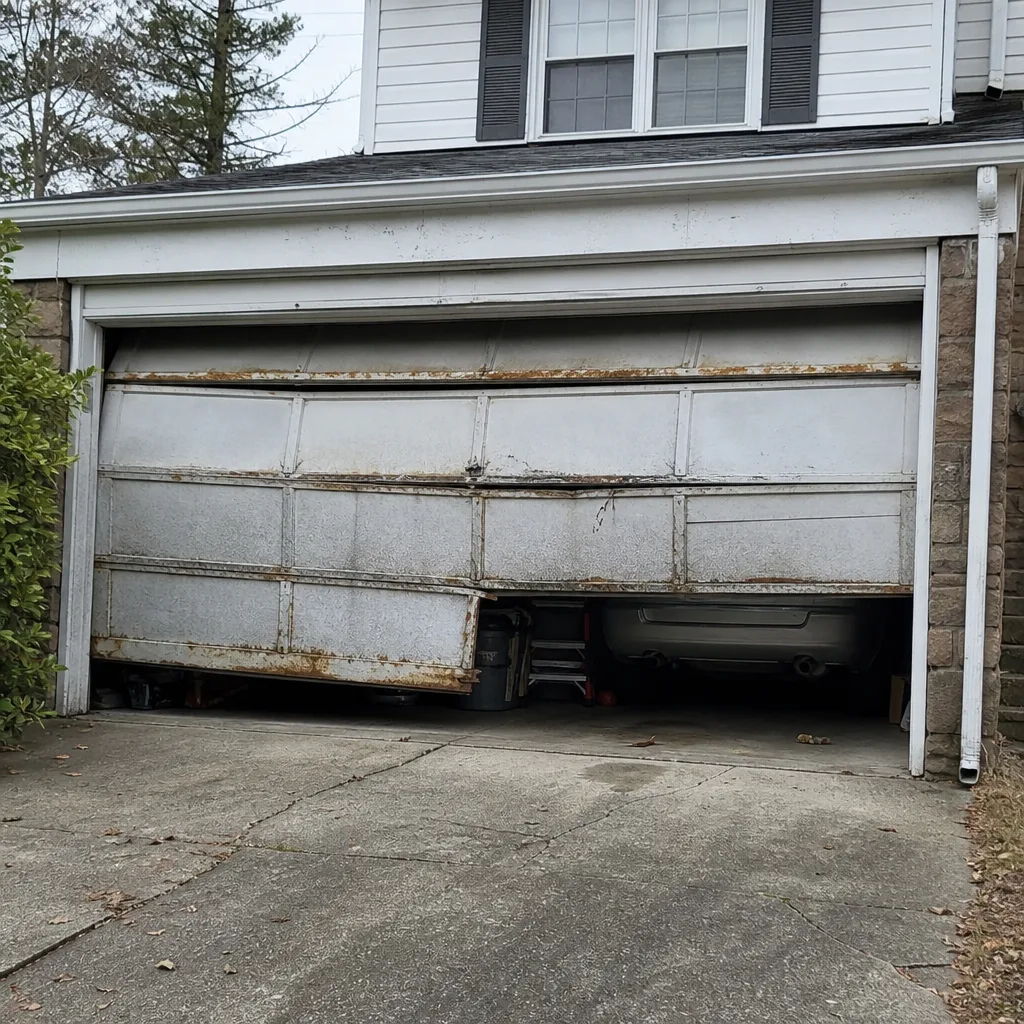 Before
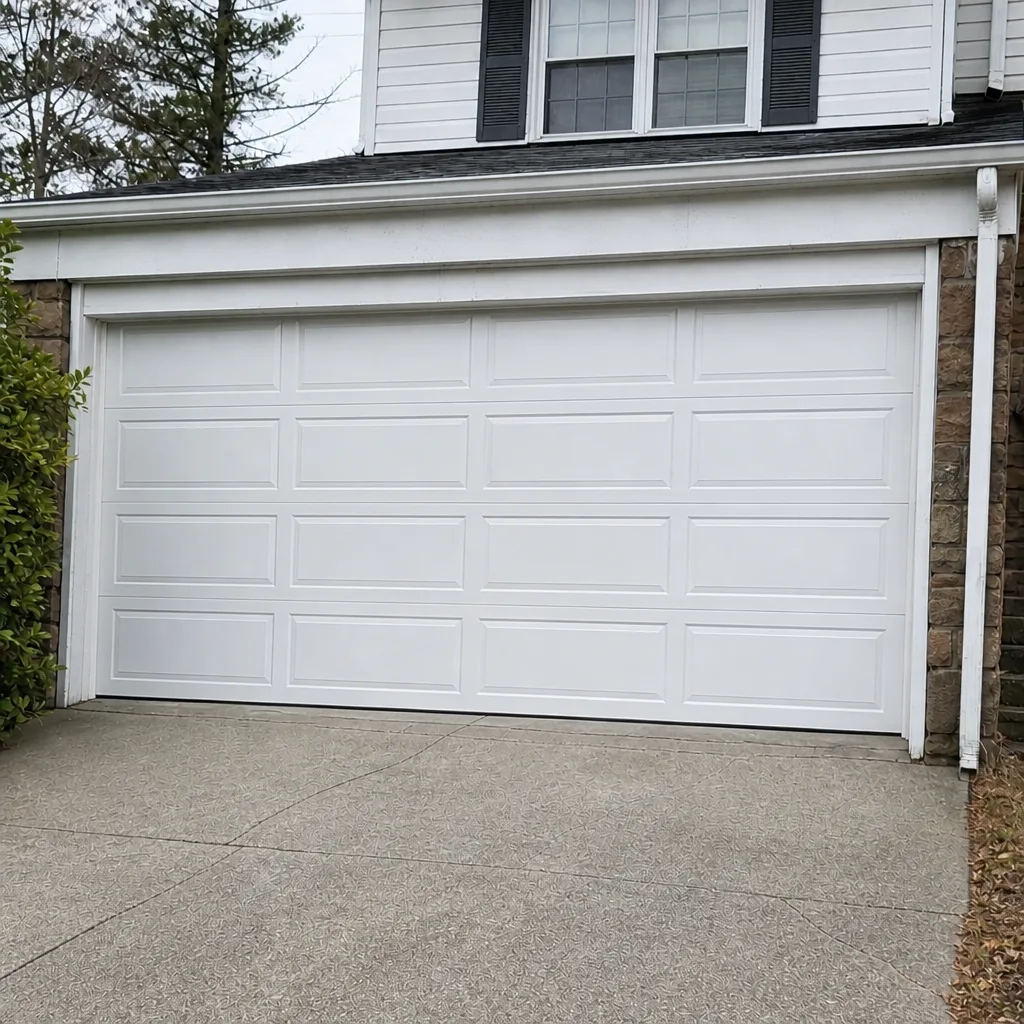 After
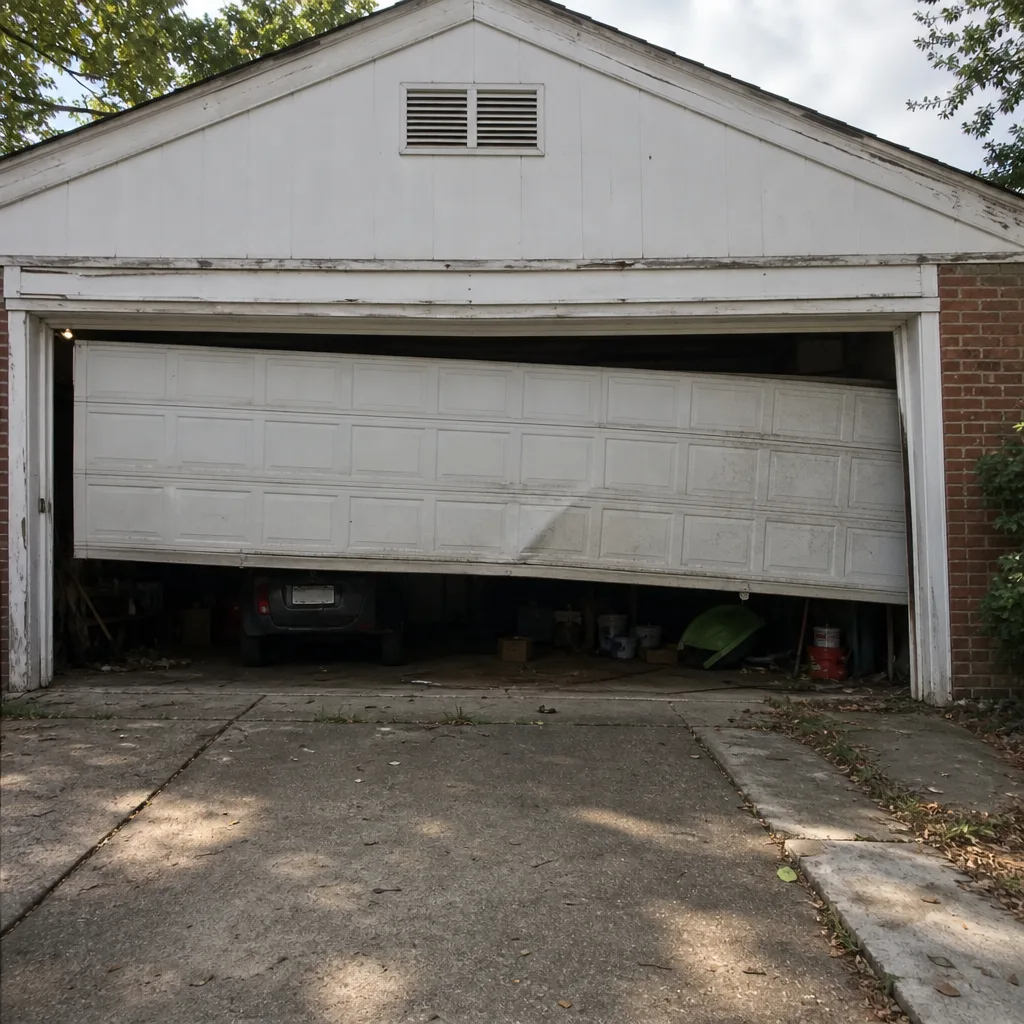 Before
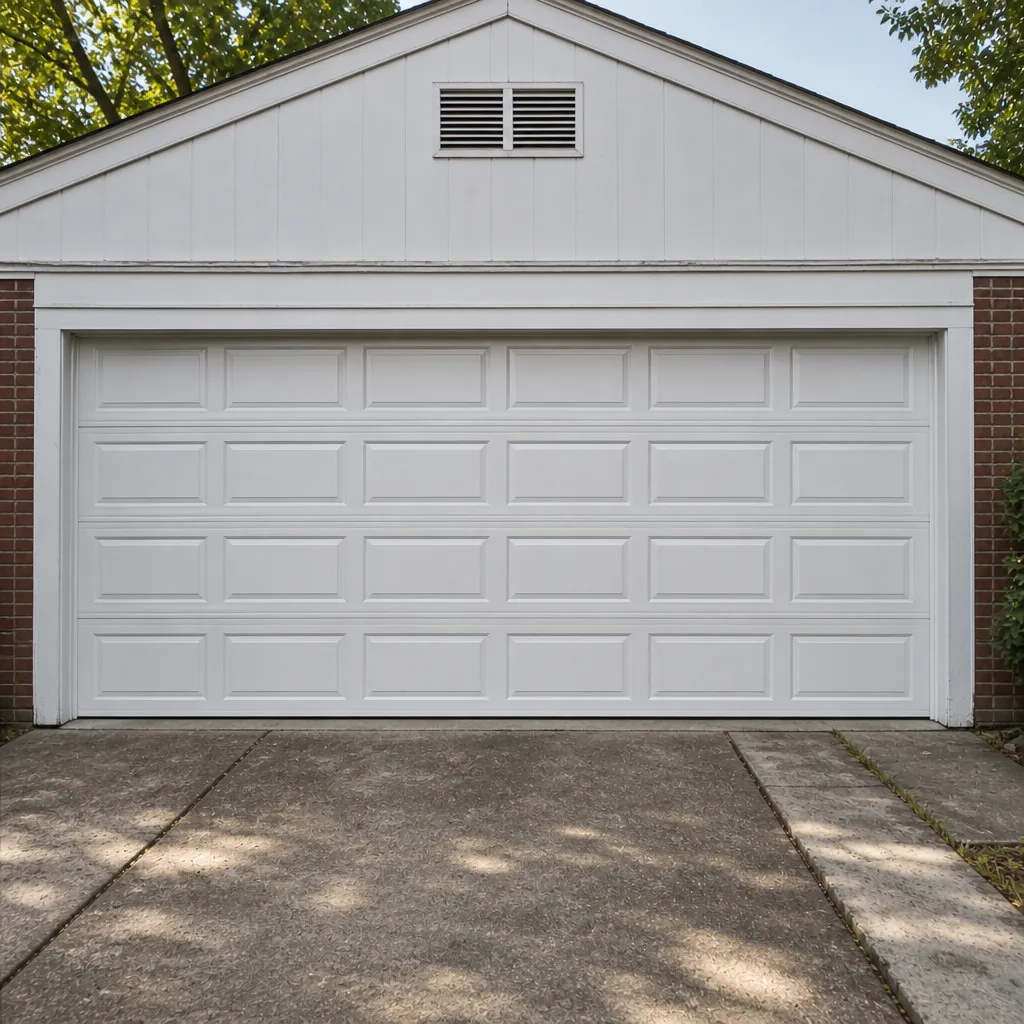 After
When to Call a Professional
Some things are a five-minute check. Others are a professional call, without waiting. Stop and call us when: your door feels heavy or won’t hold halfway in the balance test; you see a gap, sag, or rust on a torsion spring; a cable looks frayed or has jumped its drum; the opener reverses for no reason or stalls on the way down; or the door won’t open or close and your car is trapped inside. Those are the cases where a self-repair turns into a bigger repair, or worse. For everything else, a seasonal inspection keeps the door ahead of the calendar. Garage Door Repair Shepherd Park offers free estimates in Shepherd Park – call (855) 337-1732. We answer 24/7. Fast dispatch from 7am to 7pm, Sunday through Friday. Emergency service is a real offering here, not just a pricing tier, and when a full replacement makes more sense than a repair, we handle garage door installation as well.
Frequently Asked Questions
About twice a year, timed to the seasons: a pre-summer spring and balance check, and a pre-freeze seal and opener check. A single annual tune-up misses the parts that fail between visits. The month-by-month calendar above spreads four targeted checks across the year.
You can, but it’s risky. Raising the force setting to get a stiff door through can override the safety reverse feature and may void the warranty. The better move is to have the door balance checked, since a heavy door is usually a spring issue, not an opener issue. Call (855) 337-1732 for a free estimate on a force setting check.
Yes. Metal contracts in the cold, lubricant thickens, and the opener carries more load. That’s why force settings and safety reverse checks matter most in winter. In Shepherd Park, the jump from humid summer heat to a sub-20°F snap puts a door through the full cycle.
Fall, before the first freeze. A brittle bottom seal or side weatherstripping is less effective once it’s cold and can leave a draft gap all winter. Inspecting and replacing it in September or October catches the problem in time.
Serious injury. A wound torsion spring stores a huge amount of force, and the cable and drum assembly under it can release without warning. Spring adjustment and replacement are the one garage door job we always recommend leaving to a trained professional.
It can be. Rust at the cables, drums, or bottom brackets after salt season can weaken the part and cause early failure. Shepherd Park alley-access garages see more of this. A spring and cable inspection after the winter catches rust before it becomes a breakdown. Call (855) 337-1732 – estimates are free.
The Bottom Line
Your garage door ages on the season, not on a yearly timer. In Shepherd Park, summer heat stresses the springs, fall exposes the seals, winter strains the opener, and spring leaves salt on the cables. Care for each component in the month it’s most vulnerable, and the door stays ahead of the calendar. Keep the five-minute monthly check in rotation, don’t raise the opener force setting to mask a balance issue, and leave spring and cable work to a trained professional. Do that, and most winter failures are caught in the fall. When you need a hand, Garage Door Repair Shepherd Park is here for every part of that schedule.
Written by the team at Garage Door Repair Shepherd Park.