
Last updated November 21, 2026
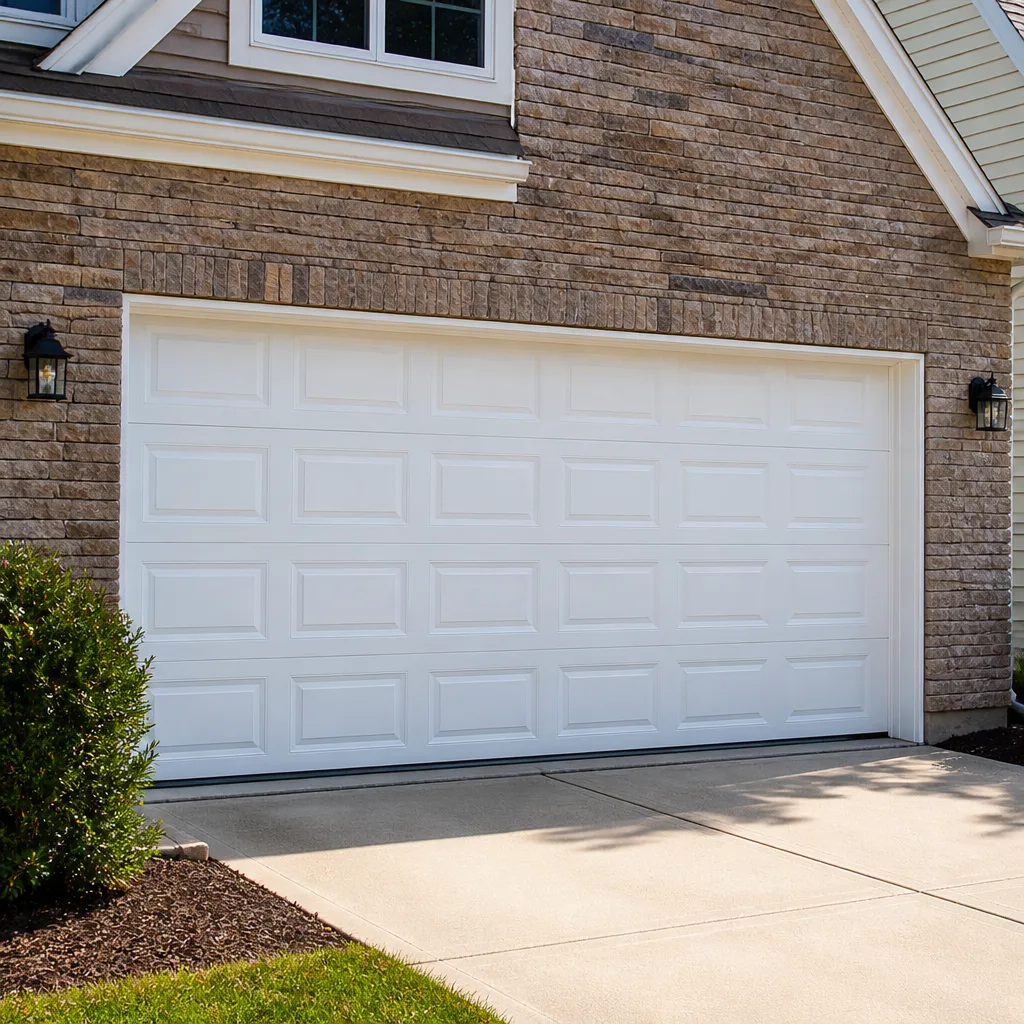 Raised-panel steel
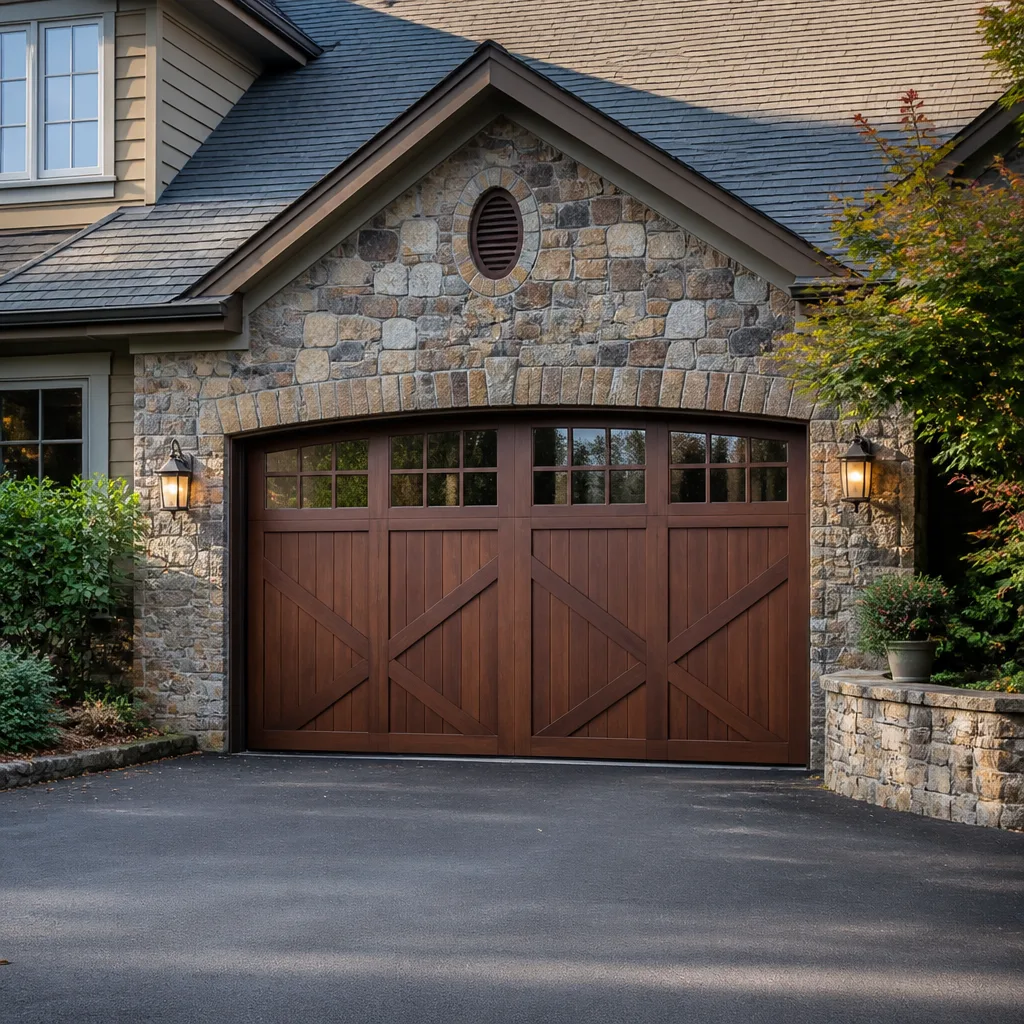 Carriage house
 Modern flush
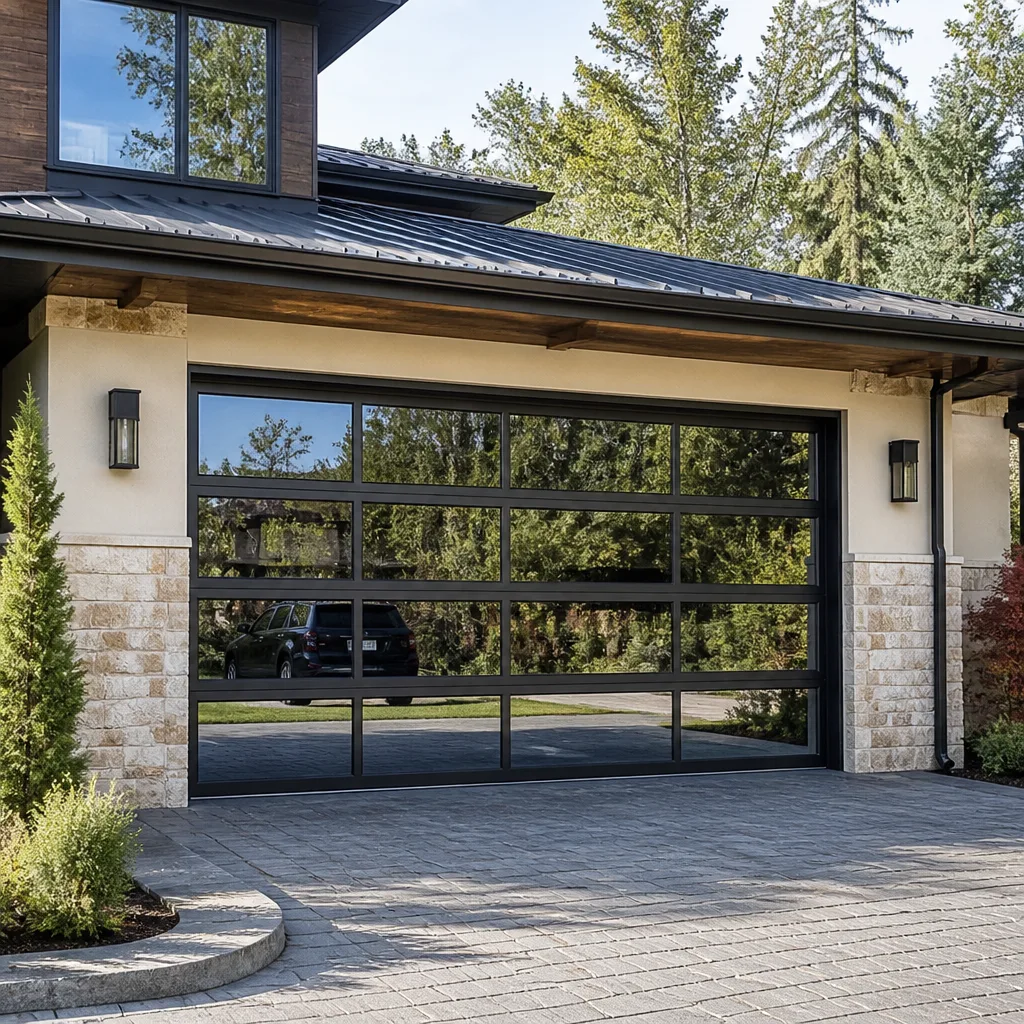 Full-view glass
 LiftMaster openers
 Chamberlain openers
Full 25-point door and opener safety check with every visit - springs, cables, rollers, tracks, and your LiftMaster or Chamberlain opener included
You get a price before we start. It does not change when the pro arrives.
Get your free estimateGarage Door Warning Signs: A Shepherd Park Homeowner’s Reference Guide
Garage doors rarely fail out of nowhere. They give you warnings – weeks, sometimes months of them – in the form of a new grinding noise, a half-second pause before the door lifts, a bottom seal that no longer sits flat on the concrete. Most homeowners in Shepherd Park notice these changes and file them away as “the door getting old.” Then one morning the spring snaps or the cable lets go. This guide is about reading those early signals while they’re still cheap to fix. We’ll walk through the sounds, the timing quirks, the visual clues, and the tests you can run in your driveway in under five minutes.
Quick Answer
The most important garage door warning signs in Shepherd Park are unusual sounds (grinding, popping, squealing), a door that hesitates or runs slower than it used to, uneven cable winding on the drums, and an opener that short-cycles or reverses on its own. Any one of these usually points to a worn spring, a failing cable, a misaligned track, or an opener logic fault – and each is far cheaper to correct before it becomes a full failure.
Styles & brands we work with
- Raised-panel steel
- Carriage house
- Modern flush
- Full-view glass
- LiftMaster openers
- Chamberlain openers
Table of Contents
- What the Sounds Are Telling You: Grinding, Popping, and Squealing
- The One-Second Hesitation Test
- Spotting Uneven Cable Winding Before It Causes a Drop
- Opener Behavior Flags: Short-Cycling, Reversing, and Long Runs
- The Floor Gap Test for Seals and Track Alignment
- How Shepherd Park Weather and Housing Shape Wear
- A Five-Minute Monthly Walk-Around
- What You Should Never Touch Yourself
What the Sounds Are Telling You: Grinding, Popping, and Squealing
Sound is the earliest diagnostic tool you have, and it’s free. A healthy garage door makes a low, steady hum from the opener and a soft roll from the wheels in the track. Anything else is information. The trick is that each type of noise points to a different component, so learning to separate them saves you from guessing – and from paying someone to guess for you.
Grinding
Grinding is metal-on-metal, and it usually comes from the track, the rollers, or the opener’s drive gear. If the grind happens as the door moves up or down, suspect a bent track section or a roller that’s seized and dragging instead of rolling. If it happens the moment the opener starts, a worn drive gear inside the unit is the likely culprit. On older Craftsman openers, that gear is a known wear item.
Popping
A sharp pop or snap during operation is the one to take seriously. It often means a torsion spring is beginning to fail or a cable has jumped its drum. Popping is a mechanical event happening under high tension, not a lubrication problem, and a door that pops should be treated as unsafe to operate until someone qualified looks at it.
Squealing
Squealing is usually the least urgent – a dry roller, a hinge, or a torsion bar that needs lubrication. But persistent squealing can also mean a bearing plate is wearing out, so if lubrication doesn’t quiet it after a couple of attempts, it’s worth a professional look.
- Grinding – track, rollers, or opener drive gear
- Popping – spring or cable under tension; stop using the door
- Squealing – dry rollers, hinges, or a wearing bearing plate
- Rattling – loose hardware, brackets, or track bolts
When these sounds show up together, that’s a system that’s been neglected for a while. If you’d rather not sort it out yourself, our garage door repair team can diagnose the source in a single visit.
The One-Second Hesitation Test
Here’s a test most homeowners have never tried. Stand in the driveway, watch the door, and count silently as it starts to rise. A healthy door begins lifting almost immediately after the opener engages – the delay should feel instant. If your door now pauses noticeably before it moves, or lifts slower than you remember, you’ve caught a load warning early.
That hesitation means the opener is working harder than it should to move the door’s weight. There are three common reasons:
- A weakening torsion spring. Springs lose tension gradually. As they do, the opener takes on more of the door’s weight, and the hesitation grows. This is the single most common early sign we find on Shepherd Park doors.
- A cable beginning to stretch or fray. A stretched cable changes the balance of the door, and the opener compensates by working longer to complete the travel.
- Track friction or a dry roller. If the door moves freely by hand but hesitates under the opener, friction is a likely contributor.
You can narrow it down with a simple manual test. Disconnect the opener using the release cord, then lift the door halfway by hand. A properly balanced door should stay put at the halfway point with little effort. If it sinks on its own or fights you, the spring or cable load is off, and that’s your answer.
What makes this test worth doing is timing. A spring that’s losing tension is cheap to replace. A spring that lets go can damage cables, drums, panels, and occasionally whatever is parked underneath. Spring replacement is our specialty at Garage Door Repair Shepherd Park, and it’s the repair we’d rather do before the snap than after it.
Spotting Uneven Cable Winding Before It Causes a Drop
The lift cables on a garage door should wind around their drums evenly and in matching layers. When one side winds tighter than the other, a cable is slipping, the door is riding crooked, and a sudden drop becomes possible. You can often spot this before anything fails by looking at the drums at the top corners of the door.
Here’s what to check, from the ground, with the door closed:
- Look at the left and right cable drums. The cables should sit in matching, even layers. If one side looks bunched or slack and the other looks tight, that’s asymmetric winding.
- Check the door’s leading edge against the floor. If one corner sits higher than the other with the door fully closed, the cables are pulling unevenly.
- Run the door up a foot or two and watch both sides. The gap between the door and the track should look the same on both sides throughout travel.
- Look for frayed strands on the cables near the drum. Fraying is a warning that a cable is near the end of its life.
Uneven winding is one of those problems that stays invisible until it doesn’t. On a Shepherd Park door, a cable that lets go can drop a panel hard enough to bend the track and knock the door off its rollers – a repair that’s far more involved than replacing the cable while it was still behaving.
This is one of the few checks where we recommend professional eyes. Cables sit under extreme tension even when the door looks idle, and a cable can snap with no warning during inspection. If you see asymmetry, don’t adjust the cables yourself. Have a technician evaluate the drum, cable, and spring together.
Opener Behavior Flags: Short-Cycling, Reversing, and Long Runs
Your opener is a diagnostic computer if you know what to watch. Three behaviors in particular each point to a different failure mode, and none of them require tools to spot.
Short-Cycling
If the opener starts, quits after a second, starts again, and repeats, it’s short-cycling. This usually points to a logic board or safety sensor problem, or a door that’s binding badly enough that the opener’s force sensing keeps cutting the motor out. On modern LiftMaster and Chamberlain units, the same symptom often traces to a sensor that’s misaligned or a wired connection that’s come loose.
Reversing Unprompted
A door that goes partway down and then reverses on its own is usually telling you about the safety sensors. Dust, cobwebs, sun glare, or a sensor knocked slightly out of alignment will all trigger it. If the sensors are clean and aligned and the door still reverses, the problem is more likely in the opener’s travel limits or the logic board, and that’s a job for a technician.
Running Longer Than Usual
If your door now takes noticeably longer to complete its travel than it used to, the opener is compensating for added load. Nine times out of ten, that load is a weakening spring or a binding track. Left alone, the opener’s motor and gear wear faster every month, so a slow door today becomes a dead opener and a door to fix later.
We work on opener systems from all the major brands, including LiftMaster, Chamberlain, Genie, and Craftsman, so whatever’s on your ceiling, our technicians arrive already familiar with its behavior. That’s what garage door opener repair should mean: diagnosis on the first visit, not a process of elimination.
The Floor Gap Test for Seals and Track Alignment
Close your garage door and look at where it meets the floor. A healthy bottom seal compresses against the concrete all the way across, with no visible light and no gaps. If you can see daylight under the door, or if a sheet of paper slides out easily from a spot where it should be gripped, you’ve found a seal or alignment problem – and it’s costing you money on your heating bill long before the door fails mechanically.
Here’s how to check it:
- Close the door fully and stand inside with the lights off. Any light visible under the door is a leak path.
- Run your hand along the bottom seal from inside. Feel for hard, cracked, or missing sections of the rubber.
- Look at the vertical tracks on each side. They should be parallel to the door and plumb. A track that’s bent or out of plumb pushes the door sideways and opens a gap on one corner.
- Check the horizontal tracks at the ceiling. Sagging brackets are a common cause of the door riding high on one side.
Why does this matter beyond a draft? A crooked door drags on its rollers, the opener works harder, and the springs carry an uneven load. The floor gap is often the first visible symptom of track alignment drift that hasn’t yet made the door jam. In a Shepherd Park winter, that leak is also a direct drain on your heating bill, and cold air at the door affects whatever room sits above the garage.
If your door has never been checked for this and you’ve noticed the gap growing, a full evaluation of the door system is worth doing. Our Garage Door Repair Shepherd Park service covers track alignment, seal replacement, and the spring and cable checks that go with them.
How Shepherd Park Weather and Housing Shape Wear
Shepherd Park is a neighborhood of detached and semi-detached homes with garages that see real seasonal swings. The DC area swings between humid, hot summers and cold winters with frequent freeze-thaw cycles, and both ends of that range take a toll on a garage door system.
In the summer, heat and humidity work on the seal, the paint, and the metal. Wooden door panels expand, which puts more load on tracks and rollers. In the winter, freeze-thaw cycles can shift the concrete slab under the door, and a door that was level in October can develop a bottom gap by January.
Springs also work differently across the season. Spring steel loses tension as temperature drops and gains it as it warms, so a spring that felt fine in mild weather can start to show hesitation in the first cold snap. If your door hesitates more in January than it did in September, that’s a spring load signal worth checking.
Homes around Shepherd Park also tend to have older garage doors – wood panels, single-car doors, and original hardware on mid-century houses. Those doors are more sensitive to the wear signs in this guide because every component has a longer service history behind it. Older Wayne Dalton and Craftsman hardware in particular tends to show cable and roller wear earlier than newer systems, simply because the same parts have cycled more times.
If you’re considering replacing rather than repairing an aging door, our garage door installation team handles full door system replacement as well as the repairs that get you there. The decision usually comes down to how many major components are near the end of their life at once – and that’s a conversation a technician can have with you on-site.
A Five-Minute Monthly Walk-Around
Most of the warnings in this guide are invisible to a homeowner who doesn’t look. A five-minute monthly check catches most of them before they become a repair. Here’s a routine you can run on a Sunday morning in the time it takes to drink a coffee.
- Listen. Run the door up and down once with the garage door quiet and no radio on. Note any new sounds. Compare them to last month.
- Watch the timing. Count the hesitation at the start of travel. If it’s longer than last month, that’s your signal.
- Watch both sides. Check the cable drums for even winding and the door gap to the track for symmetry.
- Check the floor gap. Lights off inside, door closed. Any visible light is a leak.
- Test the safety sensors. Wave something in front of the sensor beam with the door closing. It should reverse immediately.
- Lubricate the moving parts. A light application on rollers, hinges, and the torsion bar quiets squeals before they become wear.
- Look for frayed cables or loose hardware. Do this from the ground, at a distance, with the door closed.
Write nothing down if you don’t want to. The value is in the habit of looking. A homeowner who does this monthly will catch a weakening spring before it hesitates badly and a cable fray before it snaps. That’s the difference between a scheduled repair and an emergency call.
What You Should Never Touch Yourself
Some of this guide is watch-and-observe. Some of it is watch-and-call. The garage door has two components that carry enough stored energy to seriously injure someone who touches them without training, and they’re the most common repair jobs.
- Torsion springs. These hold the door’s weight under high tension. Adjusting or replacing a torsion spring requires specific tools and technique. Don’t attempt it.
- Lift cables. Cables are under constant tension. A cable that snaps during inspection can cut or strike. Keep your hands off them.
- The bottom bracket and drum. Both are part of the spring and cable system and are under load. Leave them to a technician.
- The opener’s internal gearing. Unplug the opener and call a technician for anything inside the unit beyond the force and travel settings.
Our technicians have up to 14 years of experience, and a lot of that experience has been spent on the components most prone to failure. Spring replacement is one of our core specialties because it’s the repair where expertise matters most. If you don’t want to be the person on a ladder with a winding bar in their hand, don’t be. That’s what we’re here for.
Common Mistakes to Avoid
- Ignoring a door that hesitates. The one-second hesitation is the cheapest warning you’ll ever get. Treating it as “just the door getting old” is how a $200 spring replacement turns into a $900 cable, drum, and panel repair.
- Lubricating bearings that don’t need lubricant. Not every part of a garage door wants oil. Coating the cable drums and bottom brackets attracts grit and accelerates wear.
- Cranking the opener force setting. When the opener keeps reversing, raising the force setting forces it to push a binding door. That’s hiding a mechanical problem behind a setting that’s now unsafe.
- Trying to realign a bent track by hand. A bent track means the door is no longer running true. Bending it back by feel usually makes it worse and can cause the door to jump.
- Treating a cracked bottom seal as cosmetic. A failing seal lets in water, insects, and cold air, and it’s often the first sign the door has shifted off-track. Replacing it is straightforward; replacing water-damaged panels is not.
- Hiring a handyman for a spring job. Springs require the right tools and experience. A generalist who dabs in garage doors isn’t equipped for the highest-tension repair on the property.
- Waiting for the sound to stop. A squeal that “went away” usually means the worn part finally failed. If a noise disappears without a repair, check what changed before you assume it’s fine.
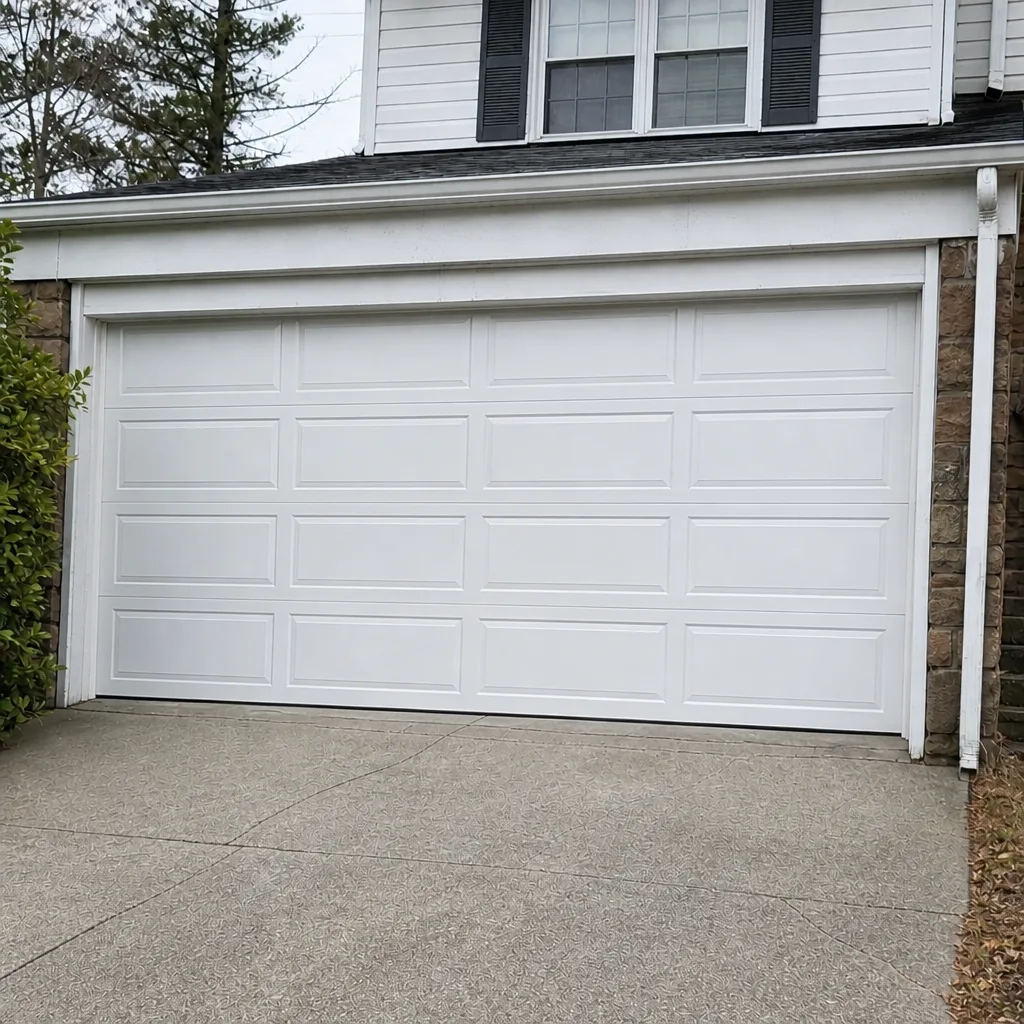
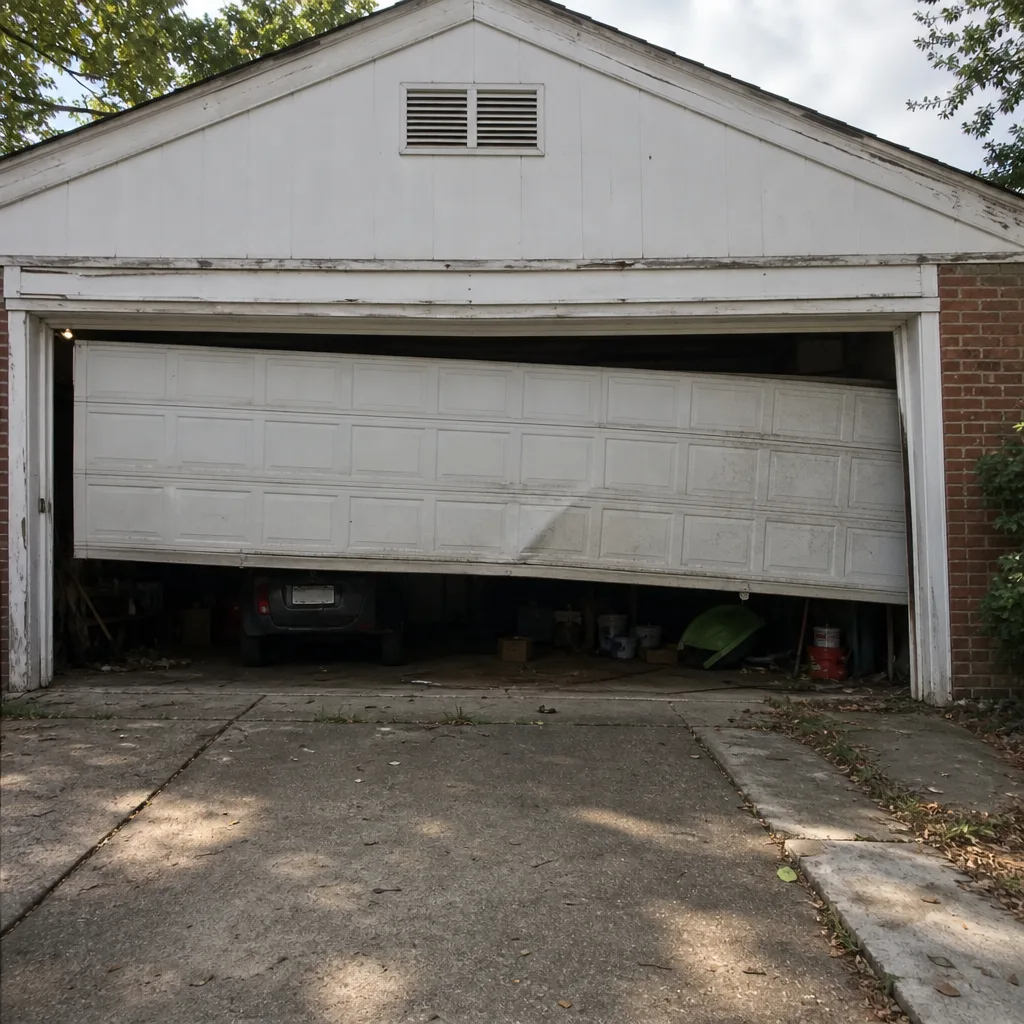
See the difference
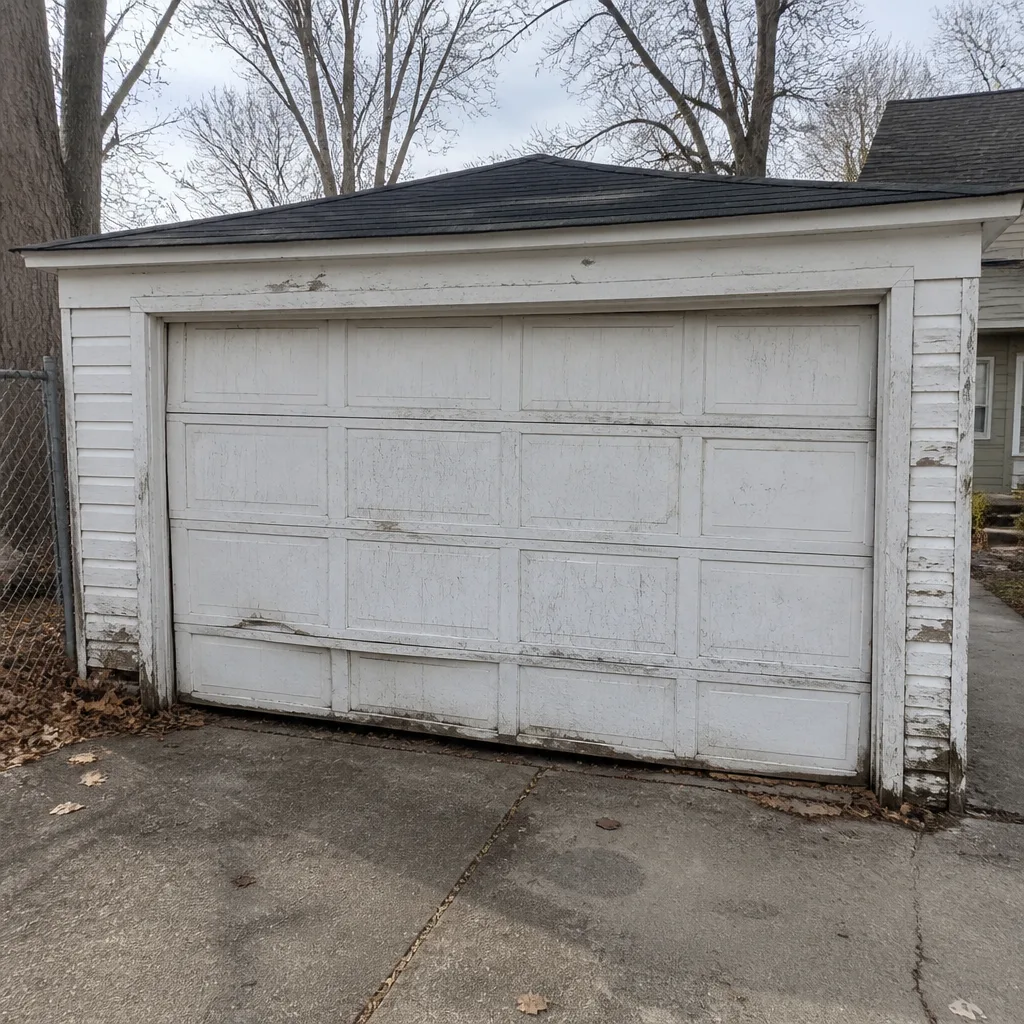 Before
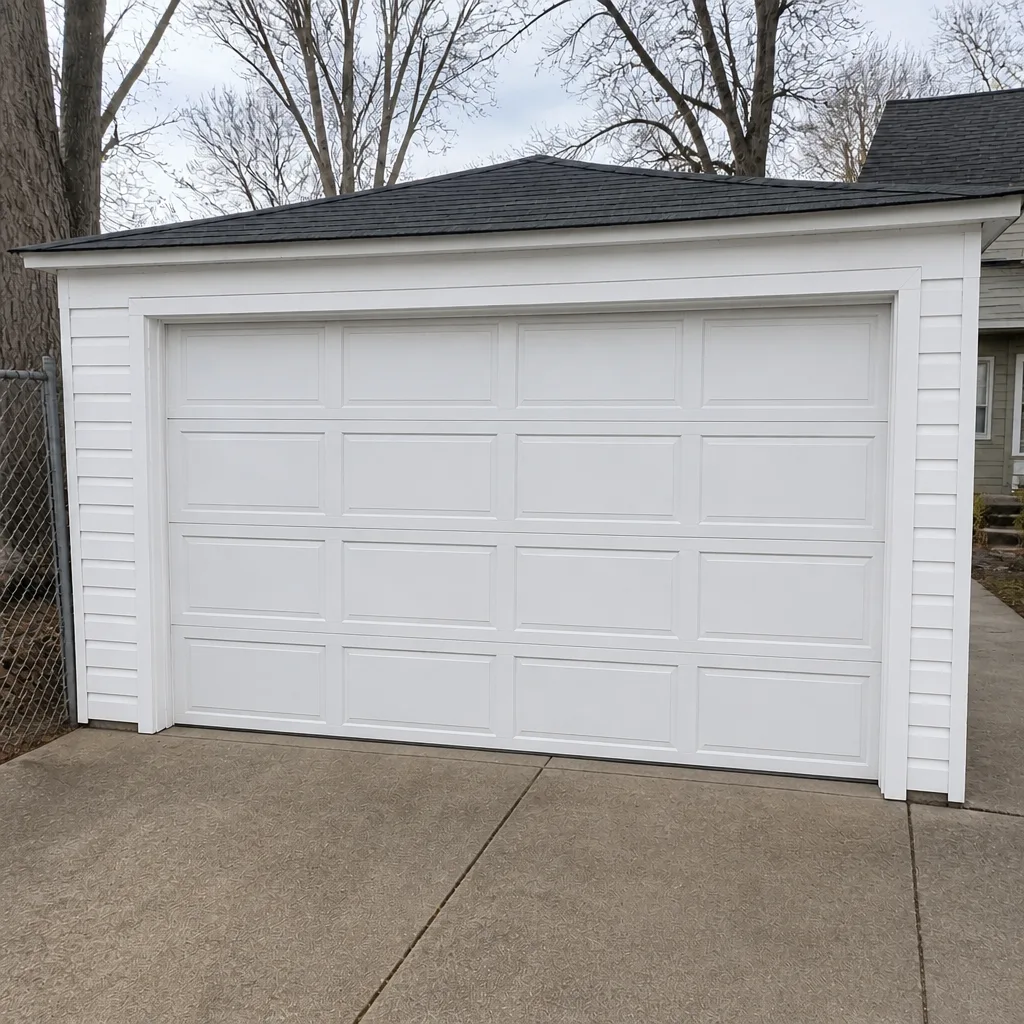 After
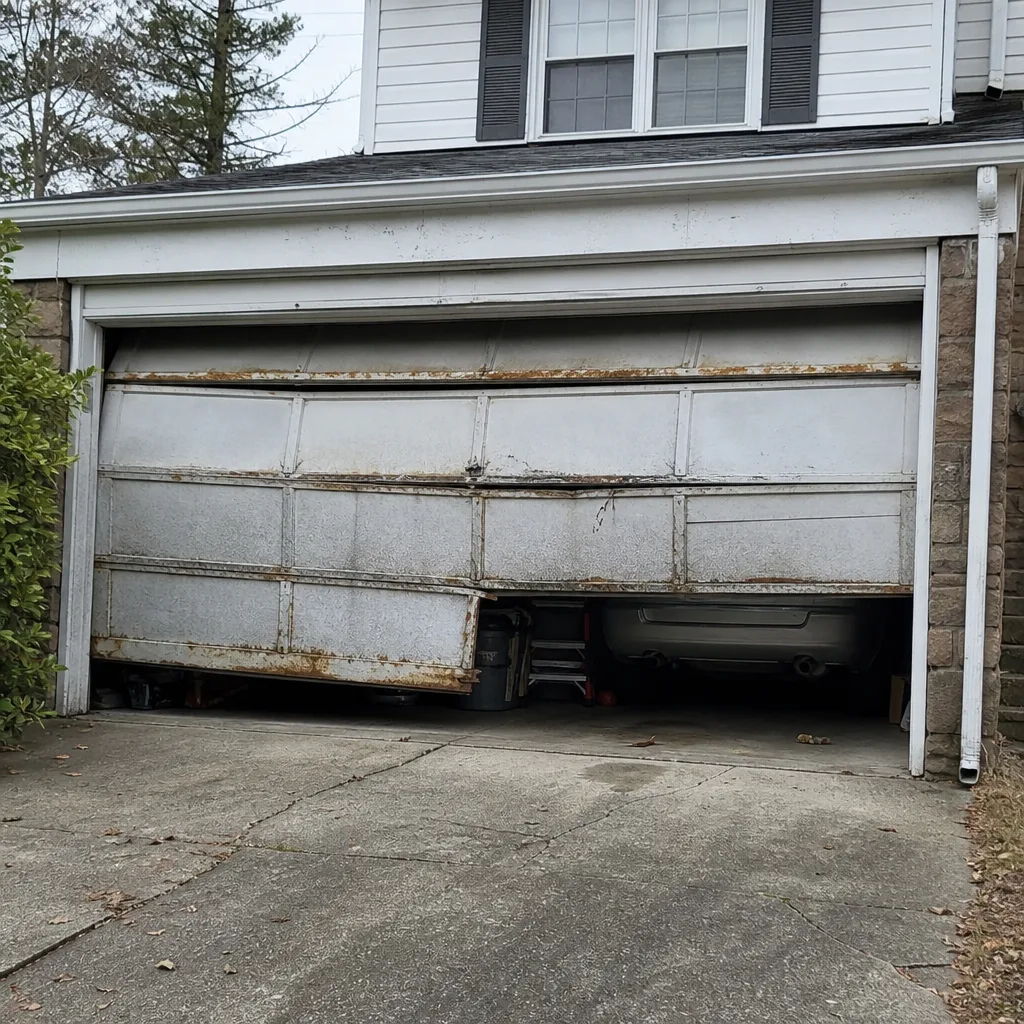 Before
 After
 Before
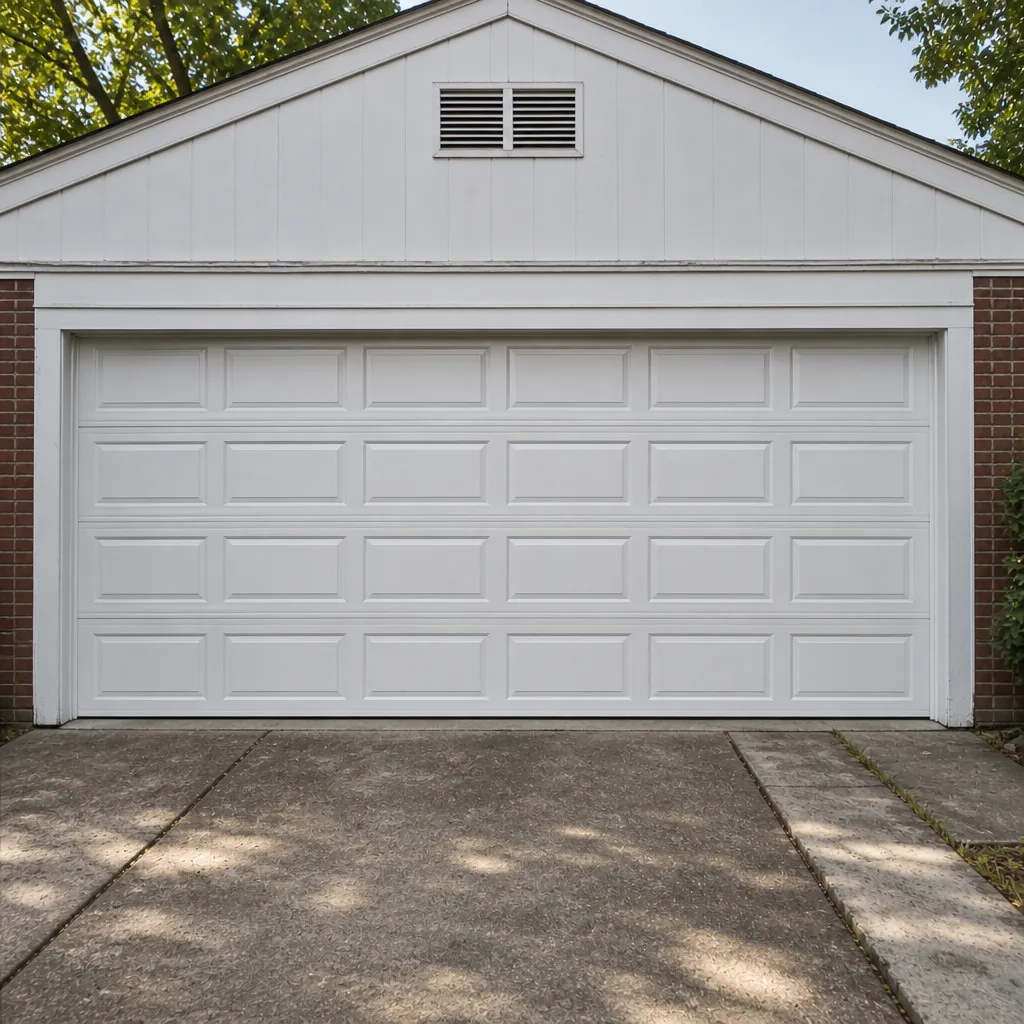 After
When to Call a Professional
Call a professional when you see or hear any of these: a pop or snap during travel, a door that reverses on its own with the sensors clean, uneven cable winding on the drums, a visible floor gap that’s growing, an opener that short-cycles, or a door that requires manual effort to lift with the opener disconnected. Each of these can go from a warning to a real failure in days or weeks, so booking a diagnostic is cheap insurance.
If your door is stuck open or down and won’t move, don’t force it. We answer 24/7, and fast dispatch from 7am to 7pm, Sunday through Friday, gets a technician there when the door can’t wait – emergency service is a real offering here, not just a premium on the invoice.
Garage Door Repair Shepherd Park offers free estimates in Shepherd Park – call (855) 337-1732 to book a visit. The written estimate sets the final price, so you’ll know the cost before any work begins.
Frequently Asked Questions
The most common are unusual sounds (grinding, popping, squealing), a door that hesitates before it lifts, an opener that short-cycles, uneven cable winding at the drums, and a visible floor gap under the closed door. Any one of these points to a specific component worth diagnosing. Call (855) 337-1732 for an exact quote – estimates are free.
Typical estimates for spring repair fall within a range that depends on the door’s size, the spring type, and how much related hardware needs attention. A single spring is one price; a matched pair is usually replaced together at roughly twice that. The written estimate sets the final price, so ask for one before work starts. Call (855) 337-1732 for a free estimate.
It’s rare. Most failures telegraph themselves weeks earlier through sound, timing, or movement changes. The exception is a cable that snaps suddenly – but even then, frayed strands or uneven winding usually precede it. Look for those and you’ll catch the failure before it happens.
Yes, same-day service is available for urgent failures. We answer 24/7, with fast dispatch from 7am to 7pm, Sunday through Friday. Call (855) 337-1732 and we’ll get a technician out – the written estimate sets the final price before any work begins.
No. The price is quoted and agreed before any work starts, based on what the technician diagnoses on-site. That written quote is what you pay, even if the repair turns out to be more involved than the initial description suggested. Call (855) 337-1732 for a free estimate.
The local professionals we connect you with are licensed and insured as their state requires. Our technicians have up to 14 years of experience and are trained on the major door and opener brands, including Wayne Dalton, Craftsman, LiftMaster, and Raynor. Call (855) 337-1732 for details on what a visit covers.
The Bottom Line
Garage doors fail on a schedule, and the warnings are there in the weeks before they do. The grind in the track, the pause before the lift, the uneven cable winding, the light under the seal, the opener that runs a beat longer than it used to – each of these is a message from a specific part. Reading those messages is how you turn an emergency into a repair, and it’s how a Shepherd Park homeowner stays ahead of the door instead of underneath it. Our technicians have up to 14 years of experience with these signals, and we’re happy to look at yours before the warning becomes a failure.
Call (855) 337-1732 for a free estimate. We answer 24/7. Fast dispatch from 7am to 7pm, Sunday through Friday.
Written by the team at Garage Door Repair Shepherd Park.