
Last updated November 21, 2026
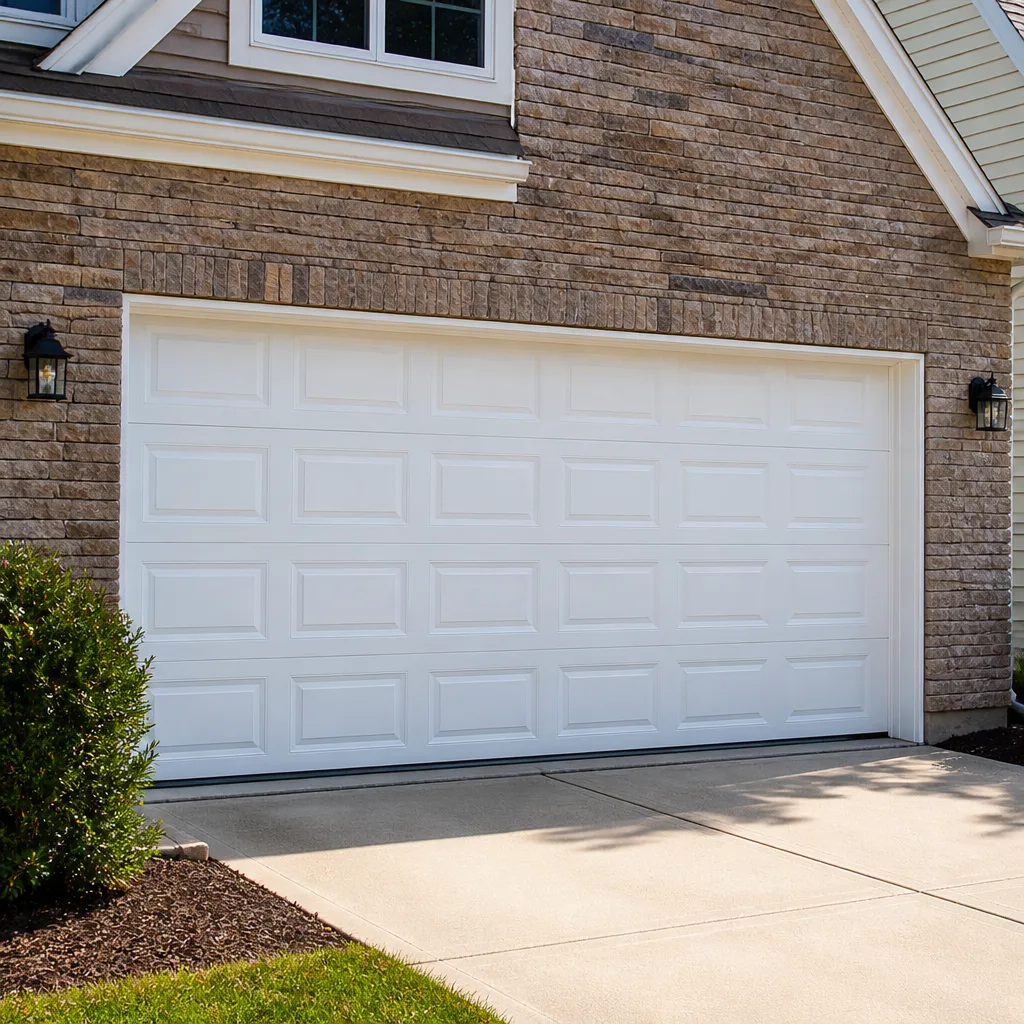 Raised-panel steel
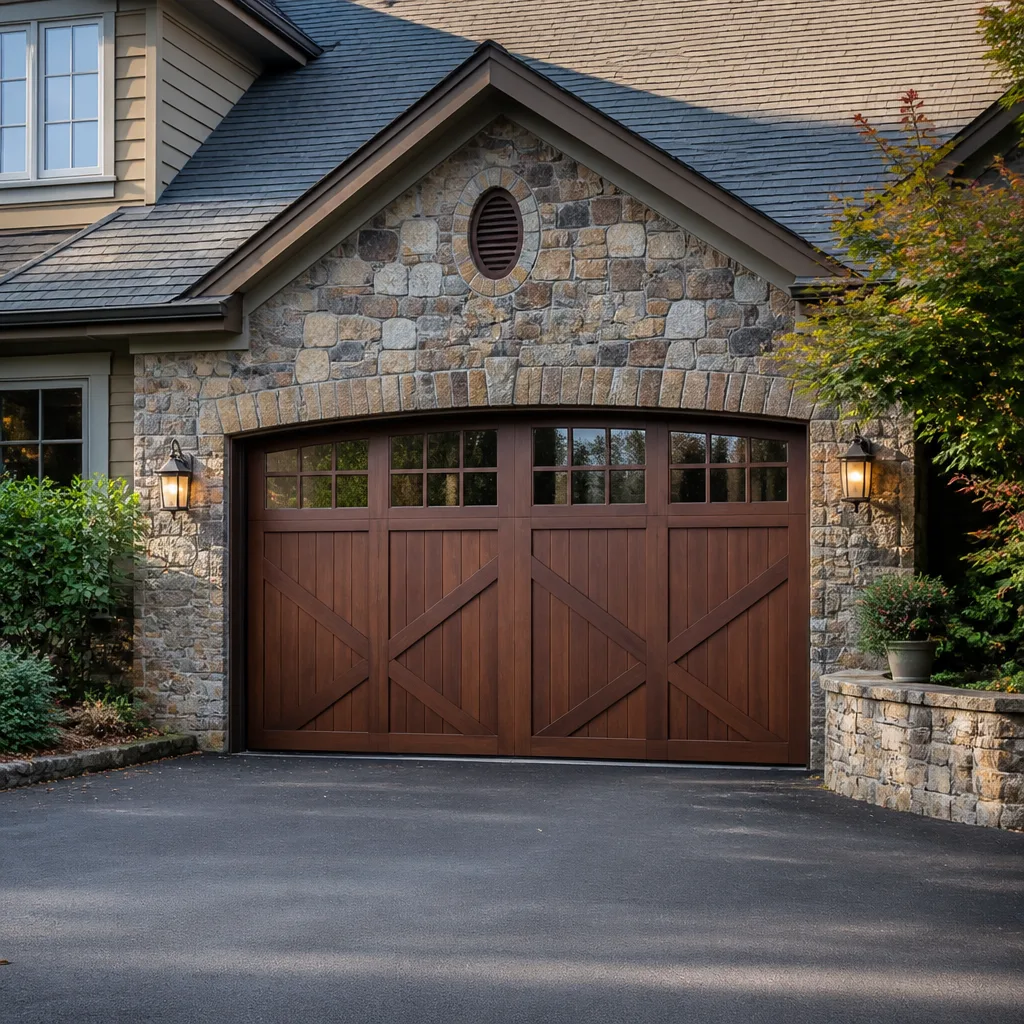 Carriage house
 Modern flush
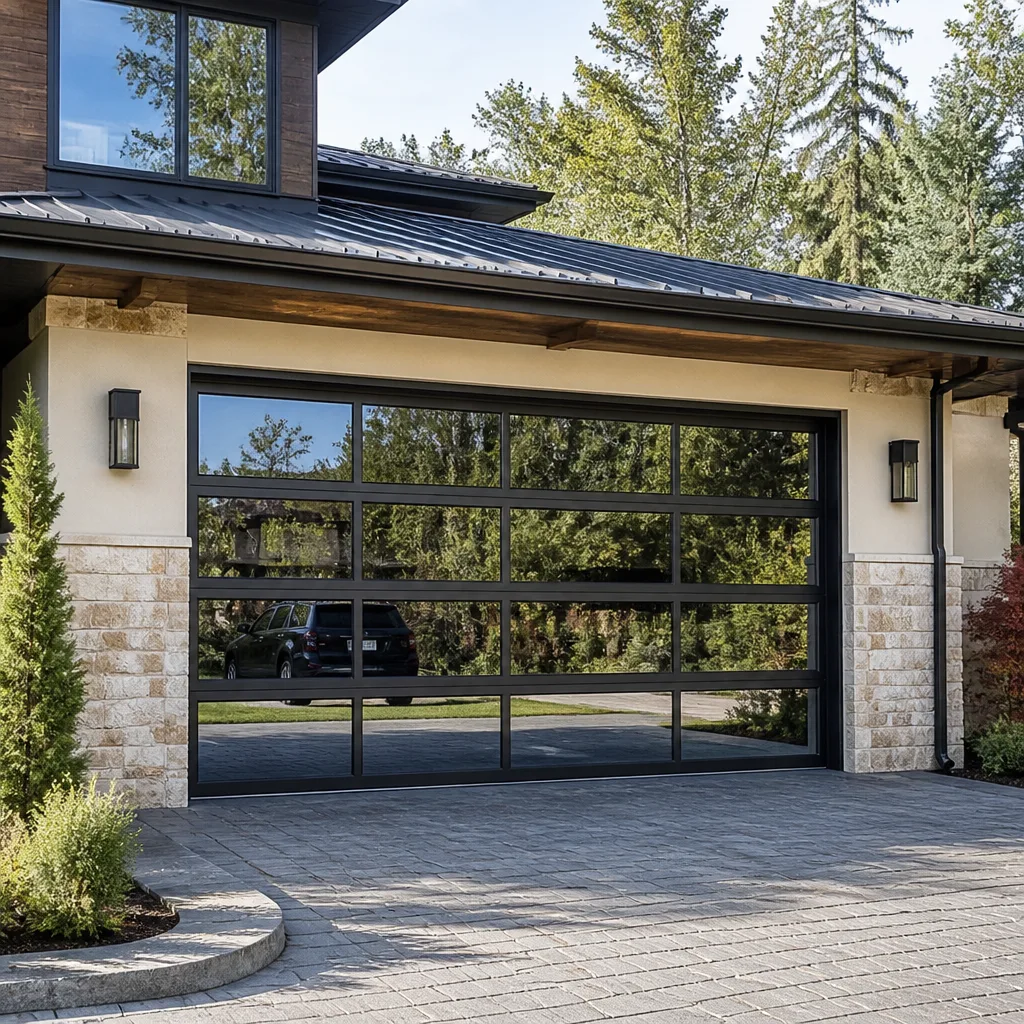 Full-view glass
 LiftMaster openers
 Chamberlain openers
Full 25-point door and opener safety check with every visit - springs, cables, rollers, tracks, and your LiftMaster or Chamberlain opener included
You get a price before we start. It does not change when the pro arrives.
Get your free estimateGarage Door Repair Maintenance Checklist for Shepherd Park Homeowners
The biggest cause of emergency garage door calls in older DC neighborhoods like Shepherd Park isn’t a lack of maintenance. It’s misapplied maintenance. Homeowners often lubricate the wrong parts, using the wrong products, and seize the components that needed to stay clean and dry. A door that gets “oiled” once a year can be closer to failure than one that gets ignored. This guide is built differently. We pair every inspection step with the exact symptom it prevents, so you’re not just ticking boxes; you’re diagnosing in real time. You’ll learn what a healthy door sounds, looks, and feels like, and you’ll know precisely when a small issue in Shepherd Park is about to become a major repair.
Quick Answer
A garage door maintenance checklist for Shepherd Park homeowners should be split into quarterly and annual tasks. The most critical quarterly jobs are lubricating the moving metal parts (springs, hinges, rollers) and keeping the tracks clean and dry, while annual checks involve testing the opener’s force limits and inspecting the door’s balance. This simple routine prevents the most common failures we see in Shepherd Park, from snapped springs to openers that burn out straining against a misaligned door.
Styles & brands we work with
- Raised-panel steel
- Carriage house
- Modern flush
- Full-view glass
- LiftMaster openers
- Chamberlain openers
Table of Contents
- The Quarterly Checklist: What to Do Every Three Months
- Lubricate vs. Keep Dry: The Critical Components
- The Annual Deep-Dive: Spring, Balance, and Opener Tests
- Inspecting Wood and Steel Doors in Shepherd Park’s Humid Summers
- The Opener Force-Limit Self-Test and What It Tells You
- When a Checklist Item Becomes a Job for a Professional
The Quarterly Checklist: What to Do Every Three Months
This is your seasonal routine. It’s short, and it’s designed to catch the most common points of failure before they cause a problem. If you do nothing else, do this. The key here is consistency; a brief check every few months is far more effective than an overwhelming annual marathon you dread. For homeowners in Shepherd Park with a wood door, you’ll also add one extra step to this list during the summer months.
- Listen to your door. Stand inside and listen closely as the door opens and closes. A healthy door is quiet, with a low, steady hum from the opener (like a modern LiftMaster or Chamberlain unit). Squeaks, rattles, grinding, or a loud bang are all signals. Identify the source of the new sound.
- Lubricate the right parts. Using a white lithium grease or a dedicated garage door lubricant, apply it to the torsion springs, the hinges at their pivot points, and the steel rollers. Do not use WD-40 or a general-purpose oil, and do not lubricate the tracks. This is the single most important step, and the most commonly botched. For more specific troubleshooting, see our guide on garage door repair.
- Inspect and wipe the tracks. The vertical and horizontal tracks should be clean and free of debris. Use a damp cloth to wipe them down. Do not lubricate the tracks; they’re designed to be clean and dry so the rollers can glide smoothly.
- Test the balance. This is a key safety check. Disconnect the opener by pulling the red emergency release handle. Manually lift the door halfway. It should stay in place, supported by the springs. If it drifts down or feels incredibly heavy, your springs are losing tension and need attention. Safety note: never try to adjust or repair the springs yourself. They are under extreme tension as detailed in our spring repair guide.
- Wipe the bottom seal. Use a rag to clean the rubber weather seal along the bottom of the door. This prevents it from sticking to the floor and tearing, a common issue we see in Shepherd Park homes during the humid summer.
Lubricate vs. Keep Dry: The Critical Components
This is where the most damage is done. Homeowners want to “make it smooth” by spraying everything that looks like it should move with a lubricant. This is exactly backwards for some parts. Getting this distinction right is the core of effective garage door maintenance. If you’re ever unsure, it’s best to call a specialist for garage door opener repair or to inspect the door system. Here’s the definitive breakdown.
What You Should Lubricate
- Torsion Springs: A few drops of white lithium grease on the coils each quarter help reduce friction and corrosion.
- Hinges: The metal pivot points on each hinge are high-friction areas. A small amount of lubricant here prevents squeaks and wear.
- Rollers: The bearings or stems inside the steel rollers need lubrication. This is different from the tracks.
- Lock Mechanism (if applicable): A few drops in the keyhole of an exterior lock can prevent it from seizing.
What to Keep Dry and Clean
- Roller Tracks: This is the most important thing to avoid. Lubricating the tracks creates a sticky surface that attracts dust and debris, turning into a gritty paste that grinds down your rollers and makes the door harder to operate.
- The Chain or Belt on the Opener: These are designed to run dry. Adding oil can attract dust and cause premature wear.
- Photo-Eye Lenses: Keep the small lenses near the floor clean and clear with a soft cloth. Don’t scratch them.
- The Bottom Seal: Keep it clean and dry. Coating it in anything will only accelerate rot or cause it to collect grit.
The Annual Deep-Dive: Spring, Balance, and Opener Tests
Once a year, you should perform a more thorough inspection of your door system’s core mechanics. These checks go deeper than the quarterly routine and are designed to catch slow-burn issues before they lead to a breakdown. A garage door is a heavy piece of equipment with high-tension parts, so always perform these checks with caution. If anything feels off, stop and call a professional.
- Detailed Spring Inspection (without touching): Look closely at the coils of your springs. You’re looking for obvious gaps or breaks. A snapped spring is usually obvious as it creates a visible gap and the door becomes incredibly heavy. You are only looking; never try to adjust or repair a spring. This is a job for a trained technician, which is why we specialize in safe spring replacement.
- Re-Test the Balance: Do the manual release test from the quarterly checklist again. Does the door stay in place at the halfway point? Now try lifting it to three-quarters open. It should still feel relatively light. If any part of this process feels like a struggle, your springs are fatigued.
- Check Pulleys and Cables: Look at the metal cables that run along the side of the door. They should be taut and free of kinks, fraying, or rust. Inspect the pulleys for wobbling or wear. A frayed cable is a serious safety hazard.
- Inspect the Door Hardware: Look at the hinges and the brackets connecting the door panels. Check for loose bolts and tighten them with the correct tool. Don’t overtighten, as this can strip the metal. Look for any signs of metal fatigue.
- Test the Auto-Reverse: With the door open, place a 2×4 piece of wood flat on the ground in the door’s path. Press the close button. The door should hit the wood and immediately reverse direction. If it doesn’t, your opener’s force settings or safety sensors need adjustment or repair.
Inspecting Wood and Steel Doors in Shepherd Park’s Humid Summers
Our neighborhood’s climate puts specific stresses on garage doors. The hot, humid summers and occasional cold snaps are a formula for material fatigue, especially on properties with the older construction common in Shepherd Park. Your maintenance routine should account for this. A one-size-fits-all checklist misses the fine details that matter for our housing stock.
For Wood Garage Doors
- Paint Seal Failure: Check the bottom edge and the joints between panels. These are the first places to show paint peeling or flaking. Bare wood absorbs moisture from humid air, leading to swelling, warping, and rot. If you see cracks, it’s time to scrape and re-paint.
- Bottom Seal Rot: The rubber seal often traps moisture against the wood. Check it for softness or crumbling. If it’s failing, it’s allowing water to wick up into the door.
- Wood-Boring Insects: Look for small piles of sawdust (frass) or tiny holes in the wood, especially near the bottom. This can be a sign of termites or carpenter ants, a common issue in older DC neighborhoods.
For Steel Garage Doors
- Rust Creep: Look for small rust spots along the very bottom edge of the door. These areas collect water and road splash. Once rust starts, it can creep under the paint. Sand and touch it up promptly.
- Paint Blistering: Look for bubbles or blistering on the door’s surface. This indicates moisture is trapped behind the paint, often from a failed seal or internal condensation.
- Dent and Dings: While not a climate issue, hail is uncommon here, but impacts from bicycles or tools are common. A small dent can compromise the protective finish and lead to rust down the line.
The Opener Force-Limit Self-Test and What It Tells You
Your opener’s force limit is its safety system. It’s designed to stop the door if it hits an object. When this setting is too high, the door might not reverse, creating a serious safety hazard. When it’s too low, the door may not have enough power to open or close fully. This simple test tells you if it’s calibrated correctly. Every modern opener, from Genie to Chamberlain, has these adjustment knobs or digital settings.
- Locate the force adjustment. There are usually two knobs or dials on the back or side of the opener motor housing. They’re often labeled “Open Force” and “Close Force.”
- Start with the close test. Open the door fully. Place a small, solid object (like a wooden block or a brick) flat on the ground in the center of the door’s path. Press the wall button to close the door.
- Observe the action. The door should hit the object, contact it briefly, and then immediately reverse to the fully open position. If the door just stops or, worse, keeps pressing down, your force setting is too high. If it reverses on the slightest touch, it’s too sensitive.
- Test the open force. Close the door. Stand clear and have someone press the wall button to open it. As the door starts to rise, gently grab the bottom of the door to add a small amount of resistance. The opener should detect the extra weight and stop the door. If it continues to pull your hands upward, the open force is too high.
- What a failing test means. If your door failed either test, you should not use it until it’s inspected. A failure can lead to a severe injury, especially for children or pets. This signals that your opener needs adjustment, or the mechanical parts of the door (like springs or rollers) are creating excessive friction. This is a perfect time to call for professional garage door opener repair.
When a Checklist Item Becomes a Job for a Professional
Most of what we’ve outlined is safe to do at home. But some problems demand an expert. When you see these signs, stop troubleshooting. A spring under tension is life-threatening, and an opener that’s failing an auto-reverse test is a serious safety risk. Beyond that, if you notice a cable that’s frayed like a worn rope or a garage door that is visibly sagging or off its tracks, it’s time to call us. These aren’t simple adjustments; they require specialized tools and training. At Garage Door Repair Shepherd Park, our technicians are trained on systems from Clopay, LiftMaster, and other major brands, and we have the right parts for a same-visit fix. We’ve seen every failure mode in Shepherd Park’s housing stock.
If you’re facing a problem you can’t diagnose or one that’s on this “stop” list, contact us. Garage Door Repair Shepherd Park offers free estimates in Shepherd Park. Call us at (855) 337-1732. We answer 24/7. Fast dispatch from 7am to 7pm, Sunday through Friday.
Common Mistakes to Avoid
- Lubricating the garage door tracks. This is the most common and damaging mistake. The tracks are designed to be clean and dry. Lubricant creates a sticky film that collects ALL the dust and grit, wearing out your rollers and making the door sluggish. Wipe them with a clean, dry rag instead. If you want to see the result of this mistake, you might need our full garage door repair service.
- Using WD-40 as a lubricant. WD-40 is a great solvent and a light oil, but it’s not a long-lasting lubricant for heavy metal parts. It will evaporate and leave your springs and hinges dry. Use a proper white lithium grease or dedicated garage door lubricant.
- Ignoring a slow-opening or sluggish door. When your door gets slower, it’s usually a sign of friction or a failing spring. The motor is working harder. Ignoring it can burn out the opener, leading to a much bigger repair bill.
- Testing the safety reverse with a closed door. The photo-eye sensors are only designed to be tested with an open door. Placing an object in the path of a closing door is dangerous. Always perform the 2×4 test and the force test to check the safety systems.
- Forgetting to disconnect the opener during a manual test. Never pull the emergency release handle when the door is open. This can cause the door to come crashing down. Always fully close the door first, then pull the handle.
- Hosing down a wood garage door. A pressure washer or a garden hose will force water into the grain and joints, leading to swelling and rot. Clean a wood door by hand with a damp sponge and mild soap. For a new, low-maintenance door, you might consider garage door installation.
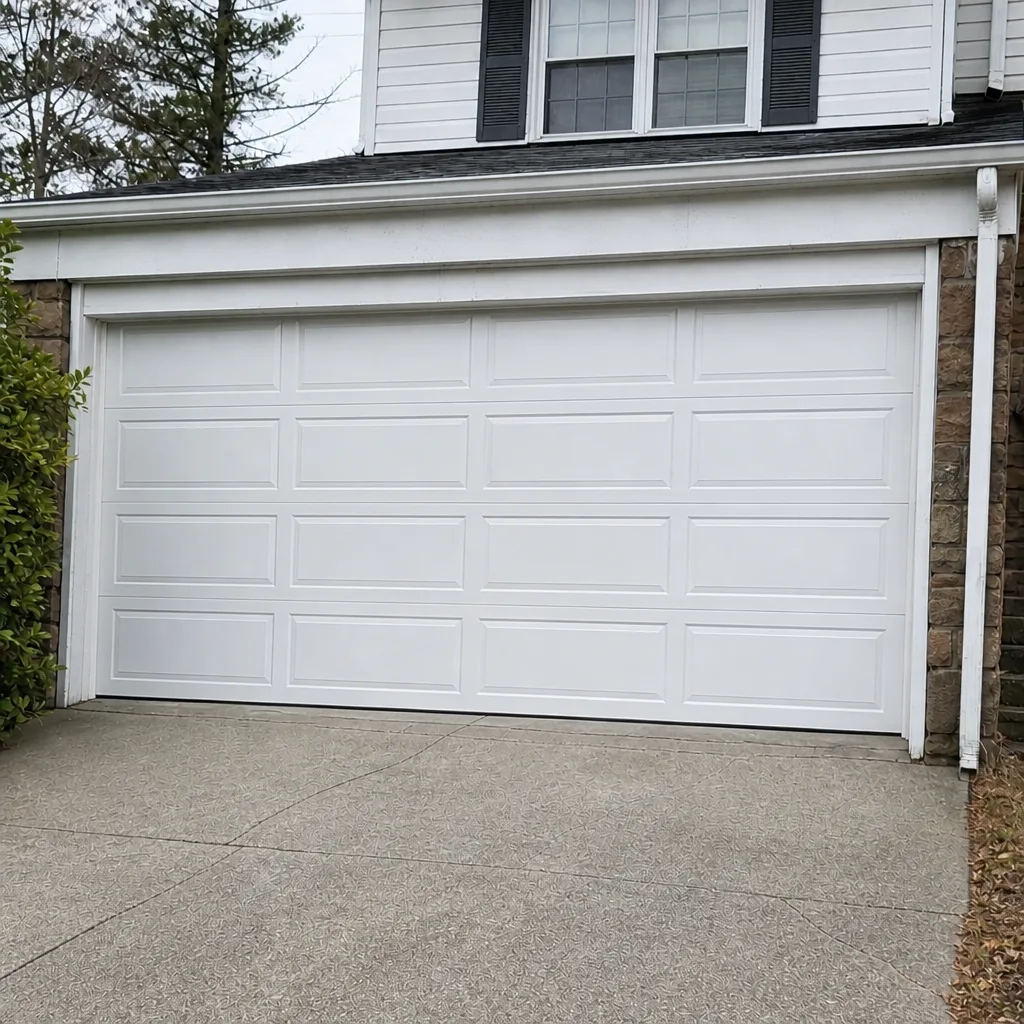
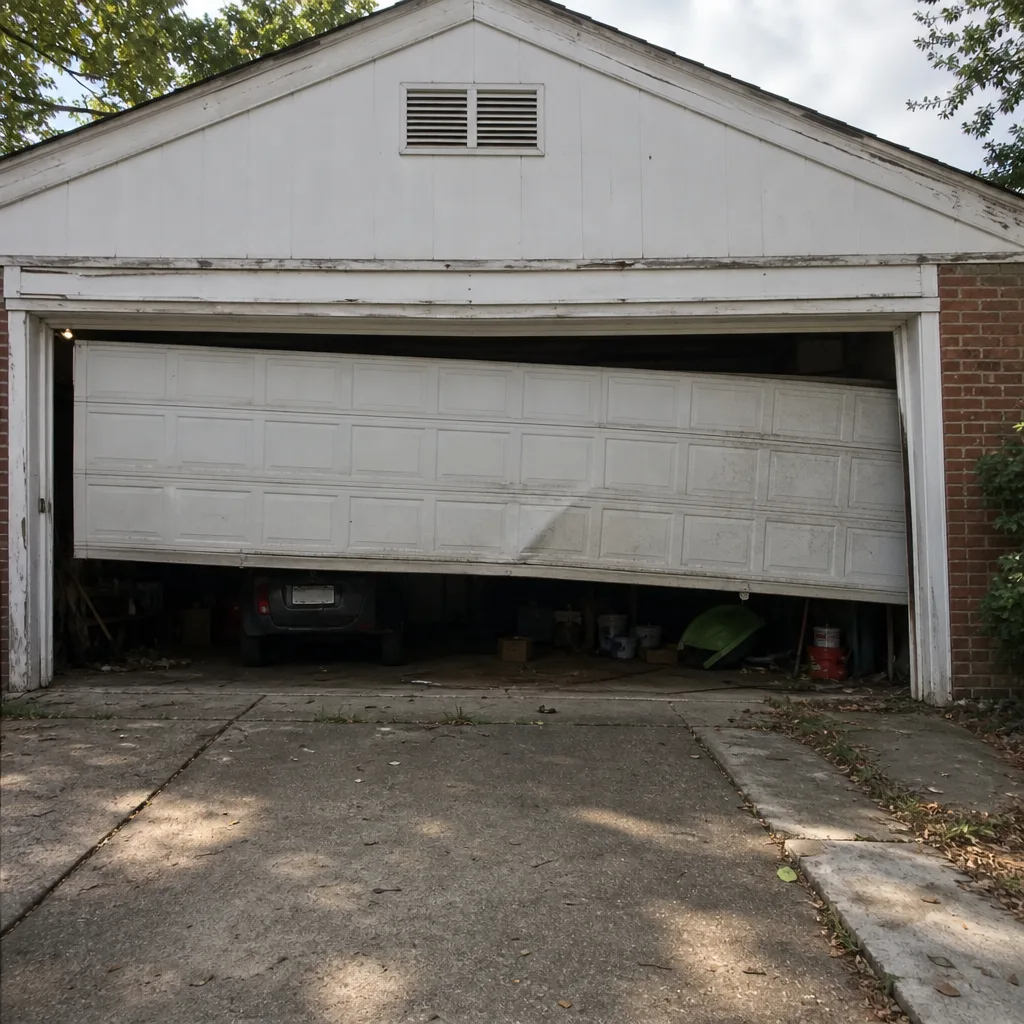
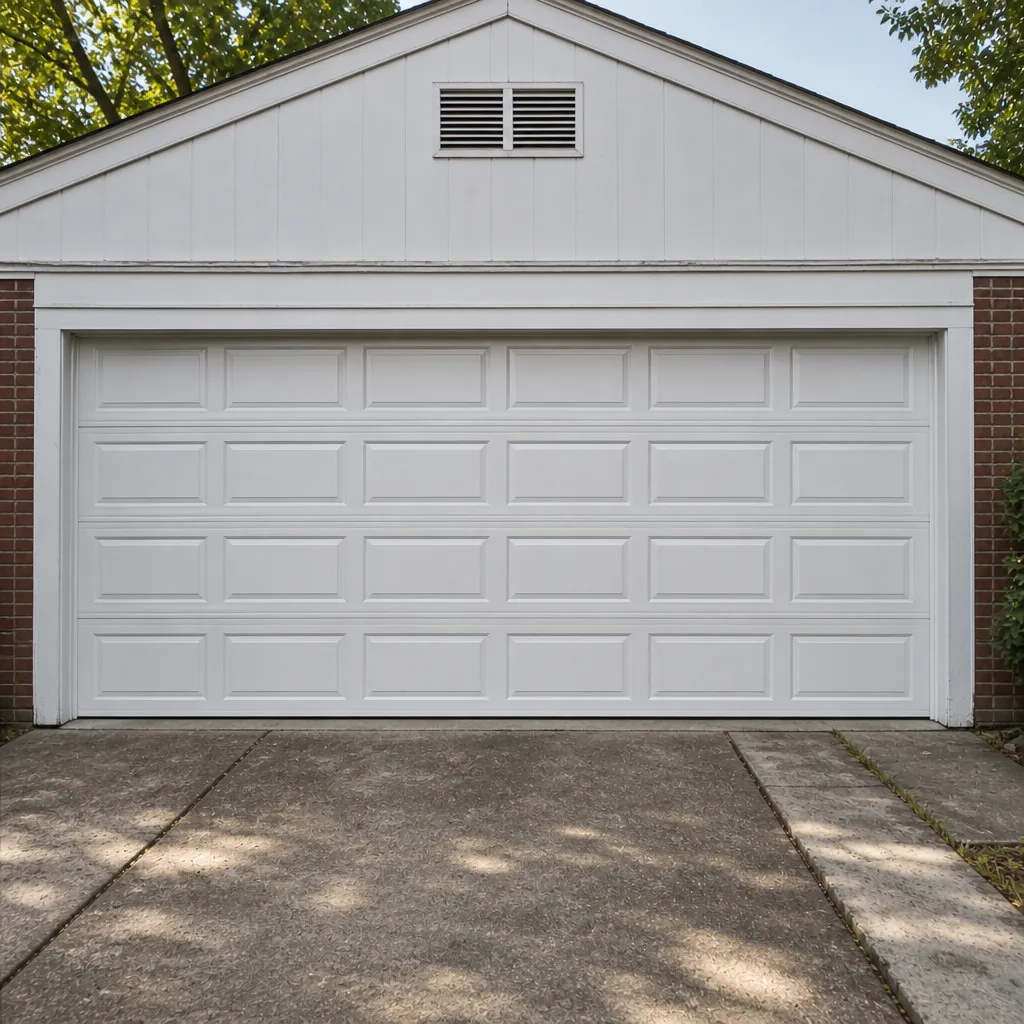
See the difference
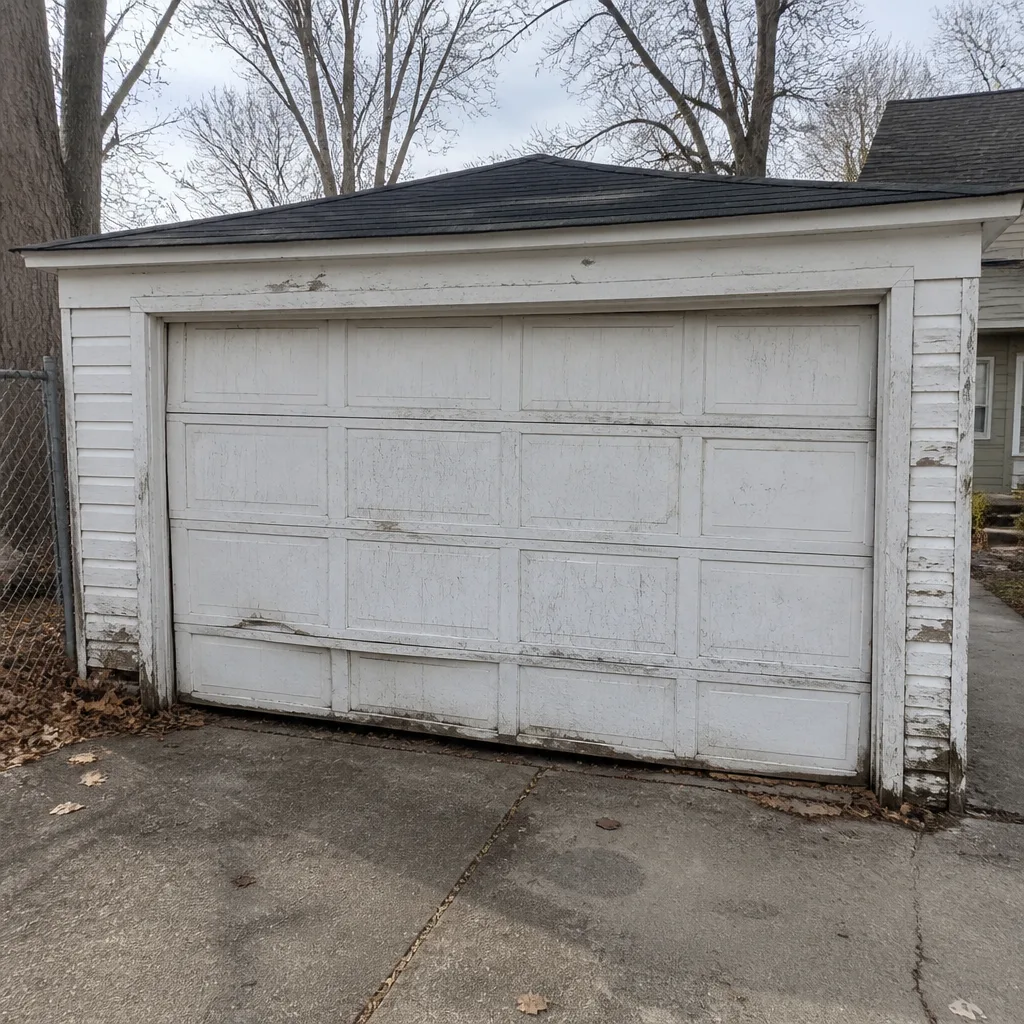 Before
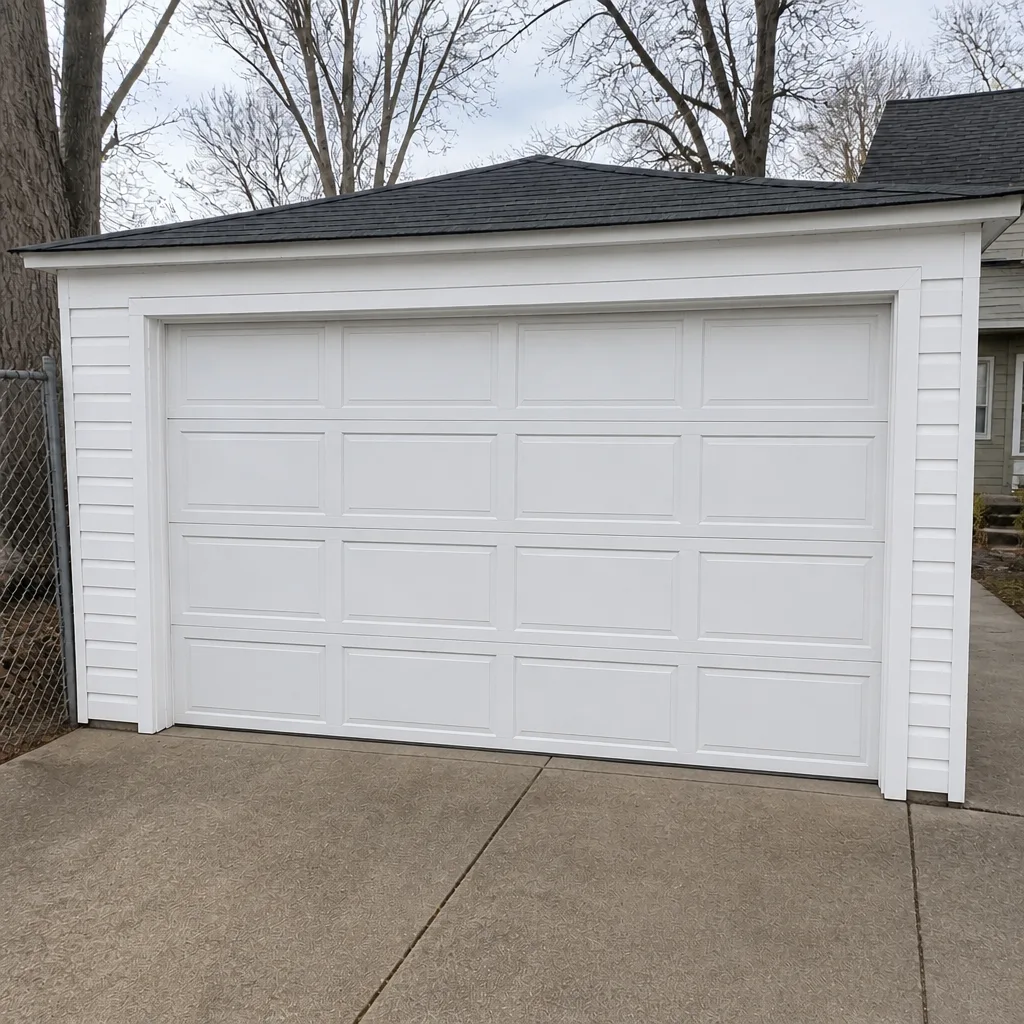 After
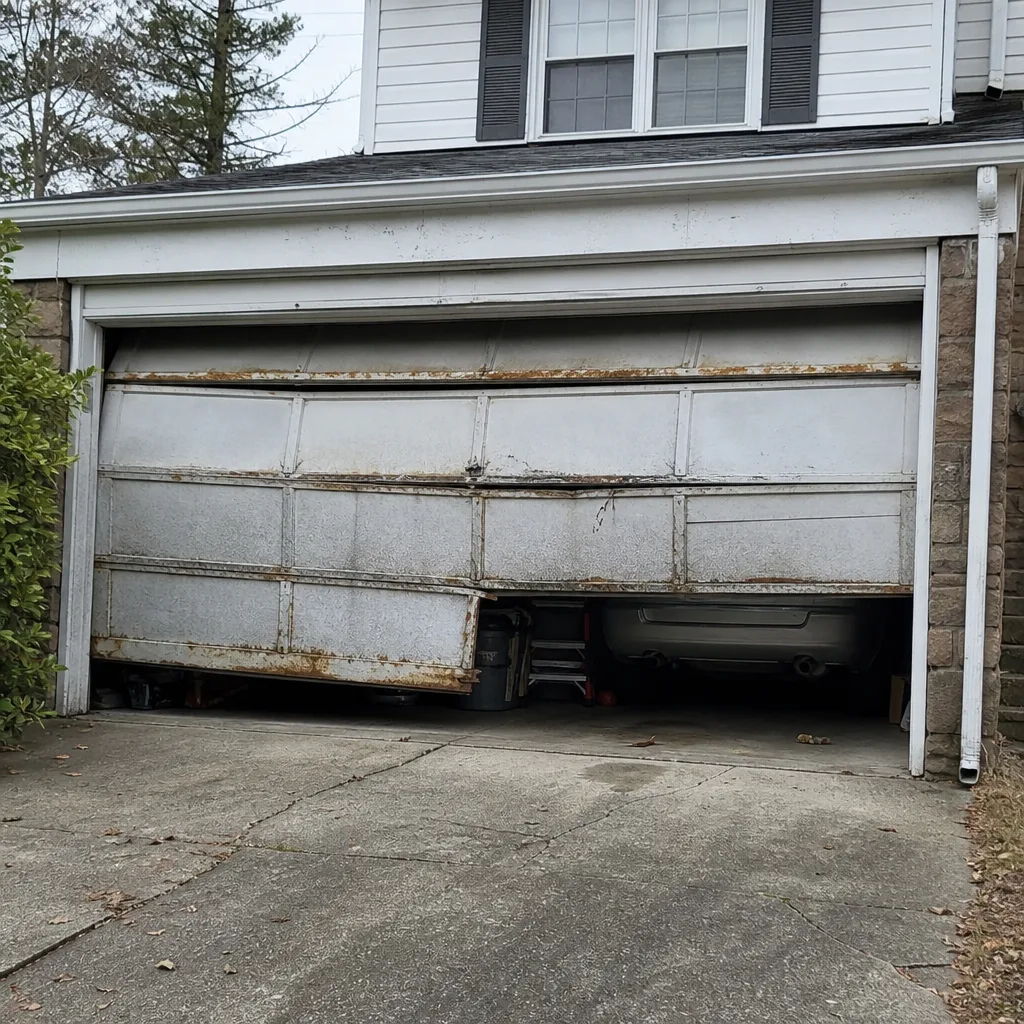 Before
 After
 Before
 After
Frequently Asked Questions
You should perform a simple quarterly check (lubrication and visual inspection) and a more thorough annual deep-dive (balance test, force-limit test, spring inspection). This routine is especially important in Shepherd Park due to the humid summers that stress wood doors and accelerate wear on metal parts.
A squeak is usually caused by friction. Check that you’ve lubricated the hinges, rollers, and torsion springs with a proper garage door lubricant. If you have and the squeak continues, it may be a sign of worn rollers or a dry bearing in the opener. It’s best to have a professional diagnose it before it becomes a bigger problem. Call (855) 337-1732 for an exact quote on repairs.
A garage door that feels extremely heavy when manually lifted is almost always a sign of failing torsion springs. The springs are not counterbalancing the door’s weight properly. This is not a DIY fix and can be very dangerous. Stop using the door and call a professional garage door company for safe spring repair or replacement.
Check the photo-eye safety sensors first. They are the small lenses near the bottom of the tracks. If they are misaligned, dusty, or blocked by an object, the door will not close. If they are clean and clear, the issue is likely a misadjusted close-force setting or a mechanical problem with the door itself. For more help with a LiftMaster opener in Shepherd Park, our team is here to assist.
For those who prefer to hire, garage door spring repair in Shepherd Park typically costs $180 to $340 for a single spring. A pair, which we usually recommend replacing together for safety and balance, runs about double that. The written estimate we provide after an inspection is the final price, and we can work with your insurer if needed. Call us at (855) 337-1732 for a free estimate.
Yes, we offer same-day service and emergency response. When your garage door won’t open or close, we prioritize getting it working again. Call us at (855) 337-1732. We answer 24/7. We offer fast dispatch from 7am to 7pm, Sunday through Friday, to get a local pro to your Shepherd Park home as quickly as possible.
The Bottom Line
Maintaining your garage door isn’t about a long list of chores; it’s about knowing what to look for. It’s about listening for the first new sound, feeling a door that’s a bit too heavy, and knowing how to test the safety reverse system. This guide has given you a clear, manageable routine split into quarterly and annual tasks, tailored for the specific climate of Shepherd Park. The most important takeaway: lubricate the moving metal parts and keep the tracks dry. If you ever find yourself facing a broken spring, a frayed cable, or an opener that fails its safety test, stop and call us. We can get your door back on track.
Written by the team at Garage Door Repair Shepherd Park.
Contact
Our goal is to give you the information you need to make smart decisions about your garage door. When you’re ready for a professional diagnostic or repair, we’re here to help. Call (855) 337-1732 for a free estimate on any garage door service. We answer 24/7. We offer fast dispatch from 7am to 7pm, Sunday through Friday. Let our team at Garage Door Repair Shepherd Park get your door working smoothly again.