
Last updated November 21, 2026
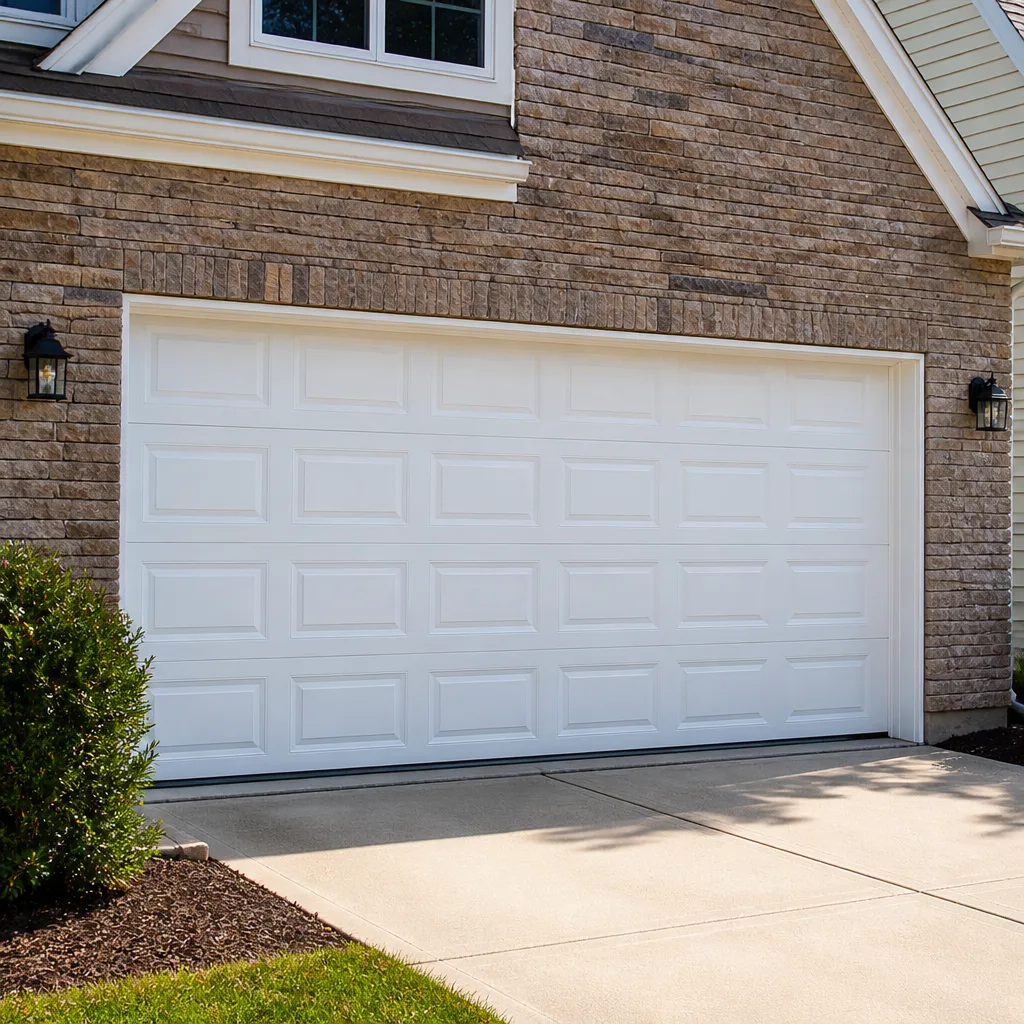 Raised-panel steel
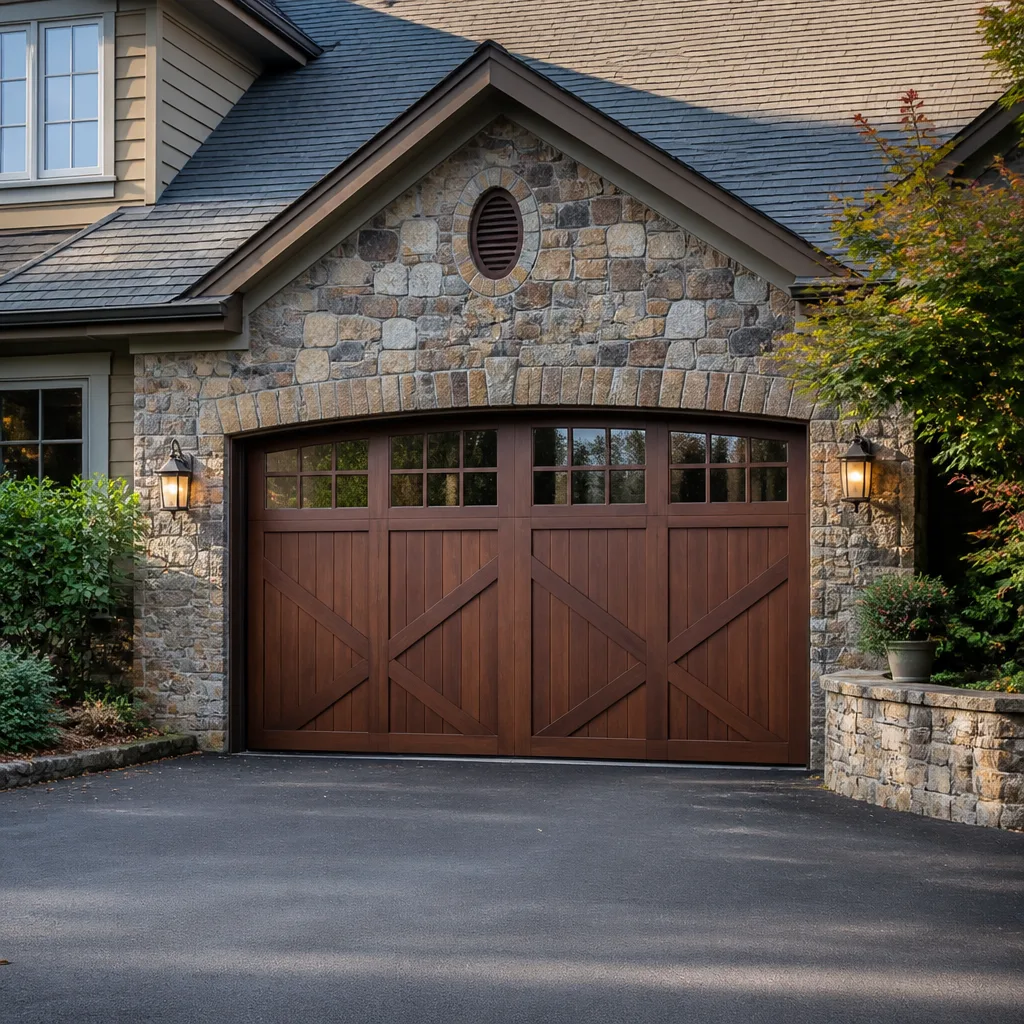 Carriage house
 Modern flush
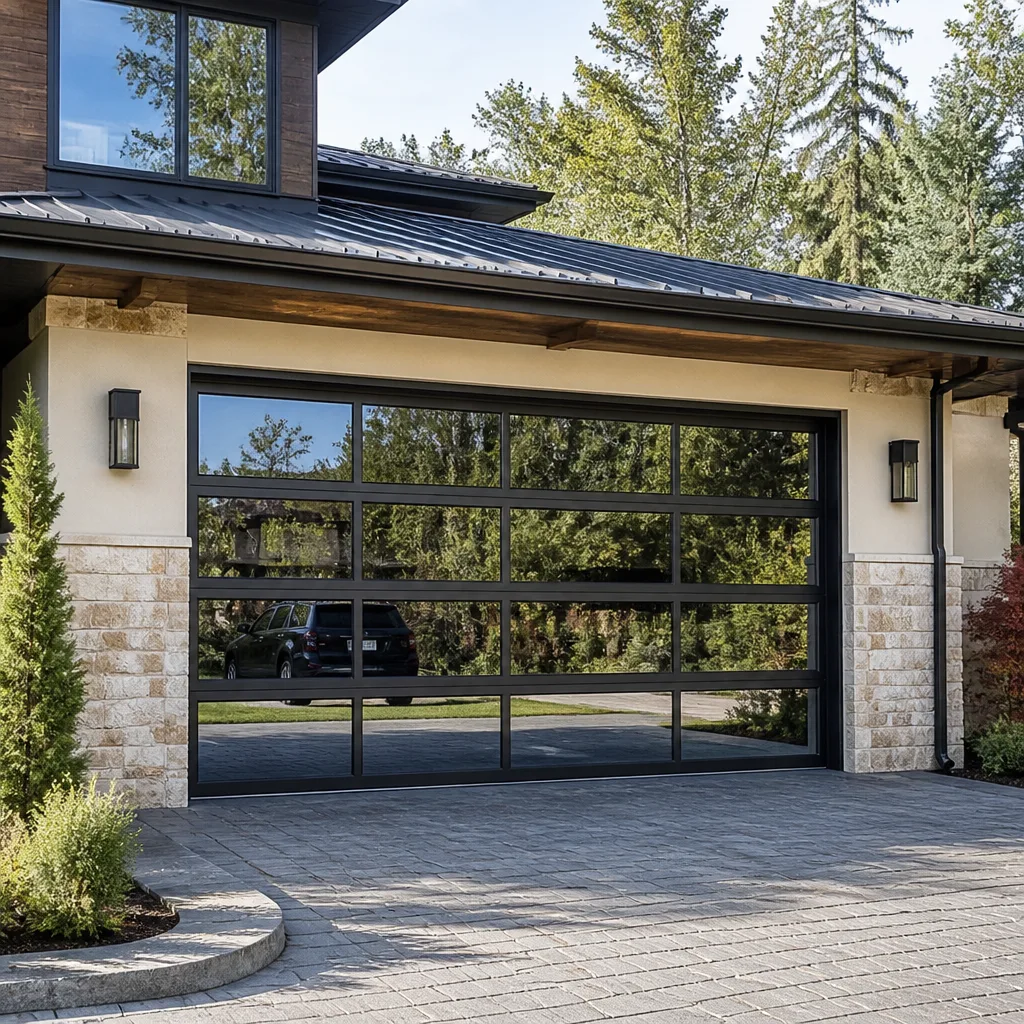 Full-view glass
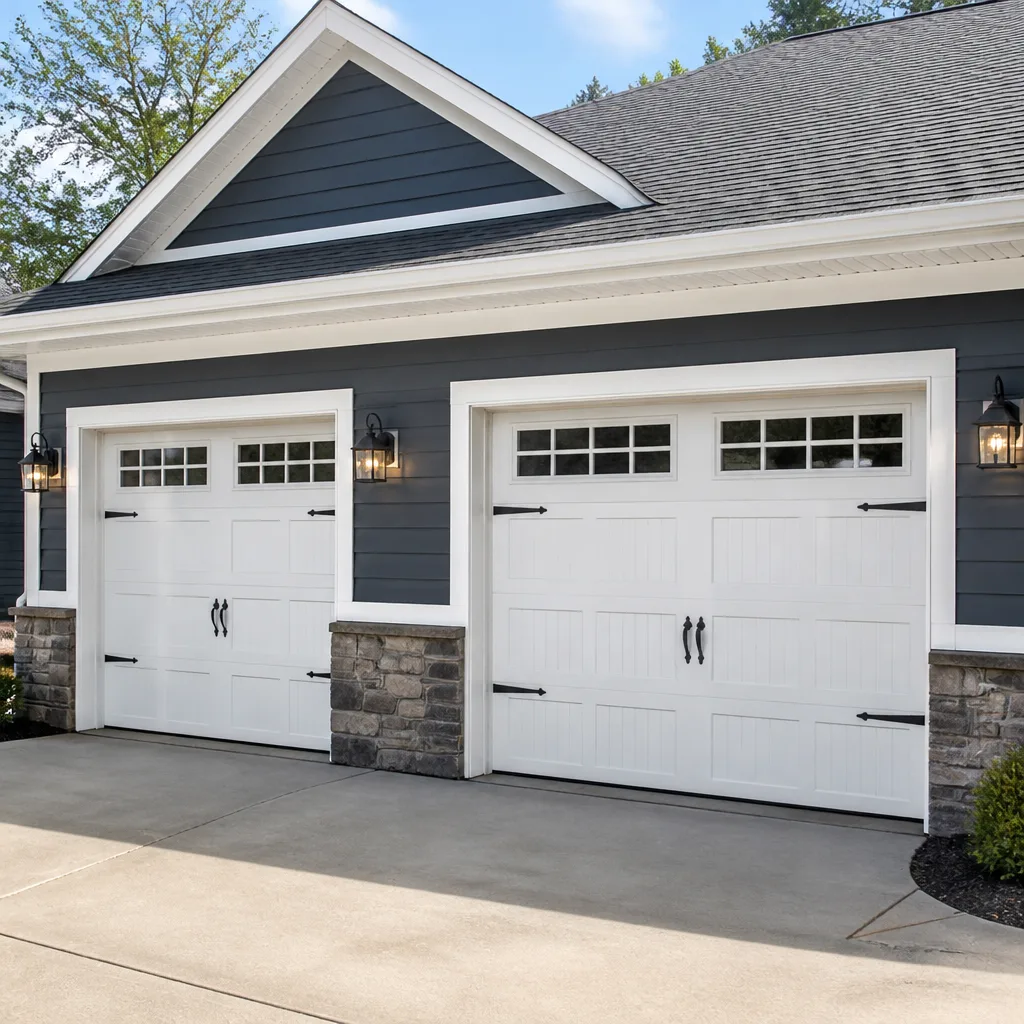 LiftMaster openers
 Chamberlain openers
Full 25-point door and opener safety check with every visit - springs, cables, rollers, tracks, and your LiftMaster or Chamberlain opener included
You get a price before we start. It does not change when the pro arrives.
Get your free estimateDIY vs Professional Garage Door: The Shepherd Park Homeowner’s Decision Guide
A wound torsion spring stores enough energy to move a car, and it is held at that tension by two winding bars, a few screws, and nothing else. That’s the part most DIY videos skip. They show the winding, not what happens when a bar slips, when the wrong-size spring goes on, or when a cable lets go under load. We’re not here to tell Shepherd Park homeowners never to touch their doors. We’re here to draw a clear line: what you can safely do yourself, what genuinely belongs with a trained technician, and why that line sits exactly where it does. You’ll finish this guide knowing which side of it your next project falls on.
Quick Answer
Lubrication, weatherstripping, sensor alignment, and remote programming are safe for a careful DIYer. Spring replacement, cable replacement, and structural panel work are not: those components are under extreme mechanical load and can cause serious injury or death if they release unexpectedly. Everything in between depends on the specific door, and a professional diagnosis is usually cheaper than guessing.
Styles & brands we work with
- Raised-panel steel
- Carriage house
- Modern flush
- Full-view glass
- LiftMaster openers
- Chamberlain openers
Table of Contents
- Why the Physics Decide This for You
- What’s Genuinely Safe to Do Yourself
- What Isn’t Negotiable for Professionals
- How DC Insurance Treats Self-Performed Spring Work
- The Real Cost of a DIY Mistake
- Smart DIY Prep That Lowers Your Bill
- How Shepherd Park Weather and Housing Shape the Work
- Common Mistakes to Avoid
- When to Call a Professional
- Frequently Asked Questions
Why the Physics Decide This for You
Garage doors are counterweight systems. The springs do almost all the lifting. A torsion spring on a standard single-car door can hold well over 100 foot-pounds of stored torque when fully wound. That energy has to go somewhere the moment the spring is released from its anchors, and it releases in a fraction of a second.
Extension springs, common on older single-car doors, behave differently but just as dangerously. They stretch along the sides of the track, and when one breaks, the loose end whips toward whatever is in its path. That’s why modern extension systems use containment cables. On doors built before those cables were standard, a broken spring can travel all the way across the garage.
None of this depends on your skill level. A licensed technician with 14 years of experience faces the same stored energy you do. What changes is the training, the tools, and the procedure. Winding bars exist for a reason: screwdrivers and vice grips slip out of torsion cones, and when they do, the bar becomes a projectile. We’ve seen the aftermath of that in Shepherd Park garages, and it’s the single strongest argument for calling a professional on the spring side of the equation.
The bottom line: the physics sets the line, not your confidence. Respect where the energy lives.
What’s Genuinely Safe to Do Yourself
Plenty of garage door maintenance is well within reach for a capable homeowner with a stepladder and an afternoon. These tasks involve no stored spring energy and no risk of a component releasing under load.
- Lubrication. Hinges, rollers, and the torsion shaft benefit from a garage-door-rated lubricant a couple of times a year. Keep oil off the tracks themselves; the tracks should stay dry so the rollers don’t slip.
- Weatherstripping. Replacing the bottom seal on the door, or the trim seal around the frame, is a homeowner job. It protects the interior from drafts, water intrusion, and pests. The bottom seal slides out of its retainer and a new one slides in.
- Sensor alignment. If the door reverses for no reason, the safety sensors at the bottom of the tracks are the usual suspect. A misaligned sensor, or one with a cobweb or leaf in front of it, will stop the door cold.
- Remote and keypad programming. Reprogramming a remote or changing a keypad PIN is a manual-and-patience job. It’s safe and it doesn’t touch any moving part of the door.
- Track cleaning. Wiping down the tracks with a damp cloth removes grit that makes the door noisy and wears the rollers.
- Visual inspection. Look for frayed cables, gaps in the spring coils, worn rollers, and loose hinge screws. Spotting a problem early is the best DIY skill there is.
If your door uses a modern LiftMaster or Chamberlain opener with a smart-home app, that’s another safe zone: setting travel limits and force through the app is straightforward. Older Craftsman and Genie units often need a screwdriver and the manual, but the task is still low-risk.
What Isn’t Negotiable for Professionals
Some jobs belong with a trained technician, full stop. Not because homeowners aren’t clever, but because the failure mode is severe enough that the risk isn’t worth it.
- Torsion spring replacement. The spring must be wound to exact specifications for your door’s weight and height. A spring wound to the wrong tension either won’t lift the door or overloads the opener. The winding process itself is where most serious injuries happen.
- Extension spring replacement. Lighter doors often use extension springs, and while the tension is lower, the stored energy is still significant, and the spring can whip if it releases. This is a professional job, containment cables or not.
- Cable replacement. Cables are under constant load and hold the door’s weight on each side. A cable under tension can cause serious injury if handled without the right tools and procedure.
- Structural panel work. Bent or cracked sections, and any repair that involves the door’s framing, hinges under load, or the header bracket, need a proper inspection. A door that’s structurally compromised can come off its tracks.
- Opener replacement or logic board work. The opener is safer than the springs, but a door that isn’t balanced will destroy a new opener quickly. A technician confirms the door’s balance before any opener goes in.
- Off-track doors. A door that’s jumped its track is unpredictable. Forcing it back is exactly how doors and fingers get damaged.
For spring and cable work specifically, we recommend calling a trained professional for the same reason you’d call one for gas or electrical panel work: the downside of a mistake is too steep. garage door repair that touches the spring or cable system is a professional job, and the price of getting it wrong dwarfs the cost of the repair.
How DC Insurance Treats Self-Performed Spring Work
Here’s the part most homeowners never hear until it matters. Most homeowner’s insurance policies cover injury to guests and some injury to residents, but many DC-area policies carry exclusions or sublimits that apply when the injury results from self-performed work on a high-tension component like a garage door spring. The exact language varies by carrier and policy, so read your own policy or call your agent before you take on any spring or cable work yourself.
What this means in practice: if you or a family member is injured doing spring work yourself, your policy may not respond the way you’d expect. A pro doing the work carries their own coverage, which is one of the reasons professional spring replacement makes financial sense even before you count the risk of a mistake. We can’t speak to your specific policy, and we’re not insurance agents. We can tell you it’s worth a phone call to your carrier before you buy the winding bars.
DC’s building department and the manufacturer’s installation instructions also set requirements for spring and cable replacement. Ask the city’s building department whether your job needs a permit, and follow the manufacturer’s guidance on tension and spring size. Guessing at either is how doors get out of balance.
The Real Cost of a DIY Mistake
A miswound spring doesn’t just fail. It usually takes other parts with it. A spring wound to too much tension can overload the cable drum, pull the header bracket loose, or bend the torsion shaft. When that happens, the repair grows from a spring replacement into a spring, cable, and drum job.
The same goes for a spring that’s the wrong size or a cable that’s been replaced without matching the other side. An unbalanced door puts constant extra load on the opener. That load shortens the life of the opener’s gears and motor, and it can wear the door’s rollers and hinges faster than the door’s rated life.
Here’s our rule of thumb: a professional spring replacement done right the first time is almost always cheaper than the cascade of damage a DIY mistake can cause. We see the second half of that equation in Shepherd Park garages more often than anyone would like. A door that “just needs a spring” frequently needs a full balance check and a look at the cables and drums before it’s safe again.
Smart DIY Prep That Lowers Your Bill
You can make a professional visit faster, and your bill smaller, by doing some prep work before you call. A technician who arrives with a clear picture of the problem doesn’t spend paid time diagnosing from scratch.
- Clean the tracks. Wipe the tracks dry and look for dents or bent sections. Note what you find.
- Document the problem on video. Record the door going up and down. Film the spring, the cables, and any noise or shudder. Send the video with your request.
- Test the opener settings. Check the balance: disengage the opener and lift the door halfway. If it doesn’t stay put, the door is out of balance. Note it, don’t fix it.
- Write down the brand and model. Clopay, Amarr, Wayne Dalton, and other door brands each have their own quirks. The opener brand matters too; tell us whether you’re running LiftMaster, Chamberlain, Genie, Craftsman, Raynor, or something else.
- Clear access. Move anything that’s blocking the door’s path or the area under the tracks.
These steps cut labor time and give the technician a head start. They also help you avoid paying for a diagnostic visit that could have been a five-minute appointment.
How Shepherd Park Weather and Housing Shape the Work
Shepherd Park sits in a part of DC with real seasonal swings: humid summers, cold winters, and a steady cycle of expansion and contraction in every metal component of a garage door. That cycle is hard on springs and on the seals that keep weather out. If you’ve noticed your door getting harder to open as the weather changes, that’s usually the springs and rollers reacting to temperature, not the opener.
The neighborhood’s housing stock is another factor. Many Shepherd Park homes have older garages with wood doors, extension springs, and legacy openers. Older openers often use the same basic logic as Genie and Craftsman units, and their parts wear predictably. If you’re dealing with a Raynor or Wayne Dalton door, the door’s age and model number tell a technician a lot about which parts are likely worn.
Tree cover is the last local wrinkle. Shepherd Park’s mature trees drop leaves, seeds, and small branches into tracks and onto sensor eyes. A quick sweep before each season change prevents a surprising number of “the door won’t close” calls. We cover more of this in our guide to Garage Door Repair Shepherd Park, including what to look for after a storm.
Common Mistakes to Avoid
- Skipping the balance check before replacing an opener. A new opener on an unbalanced door will wear out fast. Check the door’s balance before you spend money on opener work, or have garage door opener repair done after the door itself is confirmed healthy.
- Winding a spring without the right tension. Guessing at the number of turns is the most common and most dangerous spring mistake. Spring tension depends on the door’s weight and height, not on how many turns “feels right.”
- Using the wrong spring size. A spring that’s close but not matched to your door works hard and fails early. Order the exact part for your door’s weight, or let a technician bring it.
- Greasing the tracks. Lubricant on the tracks makes rollers slip and the door run rough. Keep tracks dry and lubricate the moving parts, not the track surface.
- Ignoring frayed cables. A cable with broken strands is close to failing. Don’t wait for the cable to snap before calling; a snapped cable can send the door down unexpectedly.
- Mixing a DIY repair with a warranty claim. Some opener and door manufacturers require professional installation for warranty coverage. Read the fine print before you install that new Clopay panel yourself.
- Starting a spring job without a plan for a stuck door. If a spring lets go mid-job, the door is stuck and dangerous. Have your garage door installation or repair plan clear before you touch a winding bar.
When to Call a Professional
Call a professional when the job involves springs, cables, structural panels, or an off-track door, and when the door is your primary way in or out of the house. If your car is trapped, that’s an emergency call, not a DIY afternoon. We offer emergency garage door service for failures that can’t wait for a standard appointment window.
Our technicians have up to 14 years of experience and are trained on eight brands, including LiftMaster, Chamberlain, Genie, Clopay, Amarr, Wayne Dalton, Craftsman, and Raynor. We arrive familiar with your hardware, so the first visit is usually the fix. Garage Door Repair Shepherd Park offers free estimates in Shepherd Park: call (855) 337-1732. We answer 24/7, with fast dispatch from 7am to 7pm, Sunday through Friday. The price is quoted and agreed before any work starts.
Frequently Asked Questions
You shouldn’t. Torsion and extension springs are under extreme load, and a single slip can cause serious injury or death. Winding a spring to the correct tension also requires knowing your door’s exact weight and height, not just the spring size. Call (855) 337-1732 for spring replacement done safely; estimates are free.
Lubrication, weatherstripping, sensor alignment, and remote or keypad programming are safe for a careful homeowner. Track cleaning and visual inspections are also fine. Anything involving springs, cables, structural panels, or an off-track door belongs with a professional. Call (855) 337-1732 if you’re unsure which side your job falls on; estimates are free.
We’re closed Saturday. We’re open Sunday through Friday, 7am to 7pm, and the phone line is answered 24/7. If your door fails on a Saturday, call and we’ll book you into the next opening. Call (855) 337-1732.
Most spring repairs are quoted per job, and the written estimate sets the final price before any work starts. We don’t charge for the estimate. Call (855) 337-1732 for an exact quote; estimates are free.
No. We quote the job and agree the price before any work begins, and that written estimate is what you pay. If we find a second problem, we’ll show you and quote that separately before touching it. Call (855) 337-1732 to get started.
The local professionals we connect you with are licensed and insured as their state requires. Our technicians have up to 14 years of experience and are trained on the major brands, including LiftMaster, Chamberlain, Genie, Clopay, Amarr, Wayne Dalton, Craftsman, and Raynor. Call (855) 337-1732; estimates are free.
The Bottom Line
The DIY-or-pro question for a garage door comes down to stored energy. Lubrication, weatherstripping, sensor work, and prep are yours to handle, and doing them well can lower your bill. Springs, cables, structural panels, and off-track doors are not. A miswound spring can take the drum, the bracket, and the opener with it, and most DC policies treat self-performed spring work differently than you might expect. Shepherd Park homes are hard on doors thanks to seasonal swings and old hardware, so the safest move is also usually the cheapest: a free estimate and a technician who knows your brand. Call (855) 337-1732. We answer 24/7, with fast dispatch from 7am to 7pm, Sunday through Friday.
Written by the team at Garage Door Repair Shepherd Park.
See the difference
 Before
 After
 Before
 After
 Before
 After