
Last updated November 21, 2026
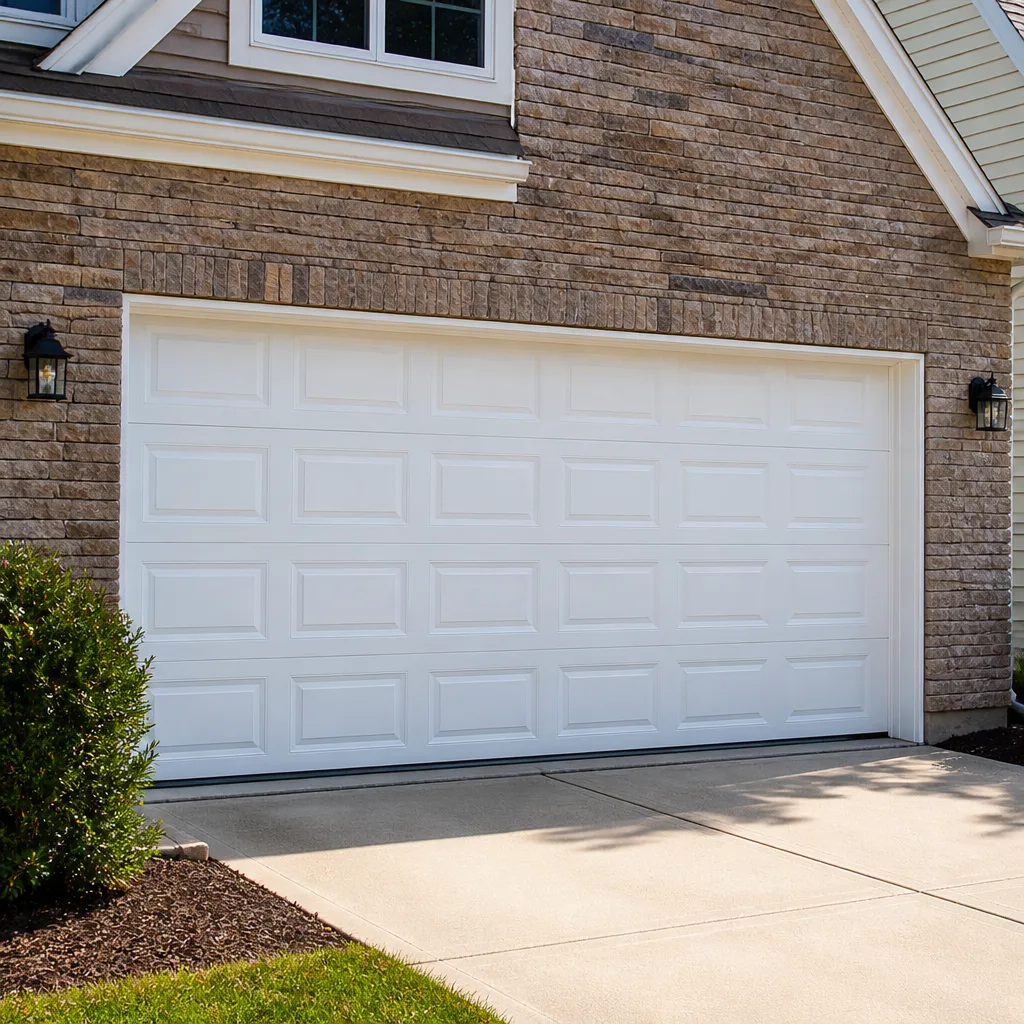 Raised-panel steel
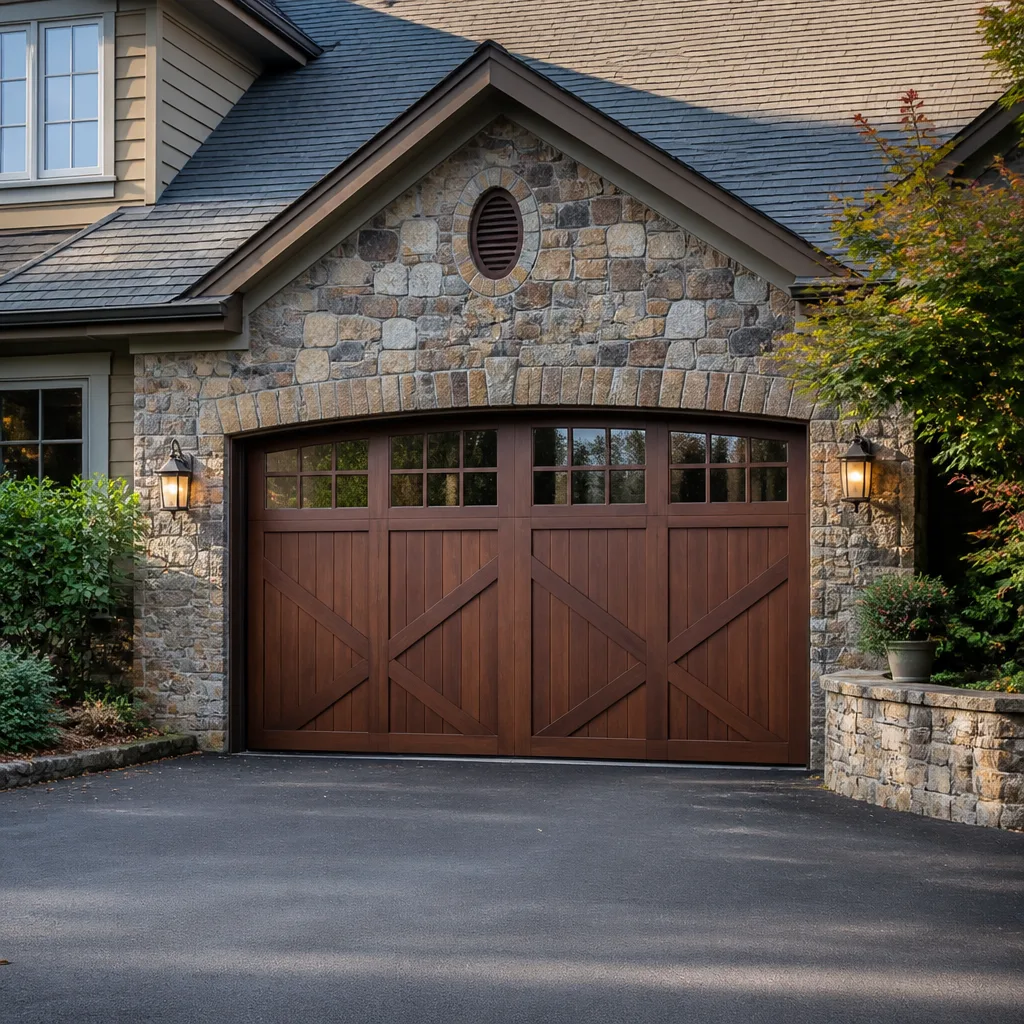 Carriage house
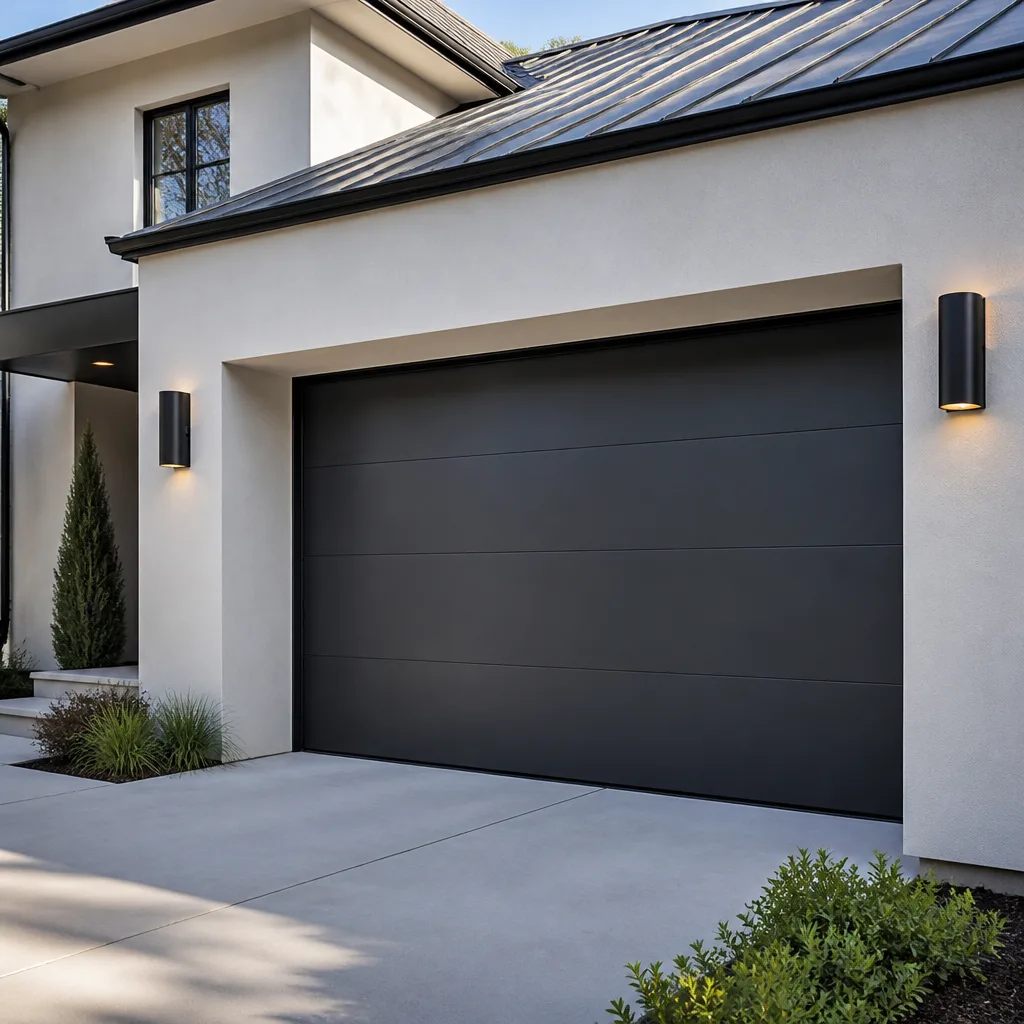 Modern flush
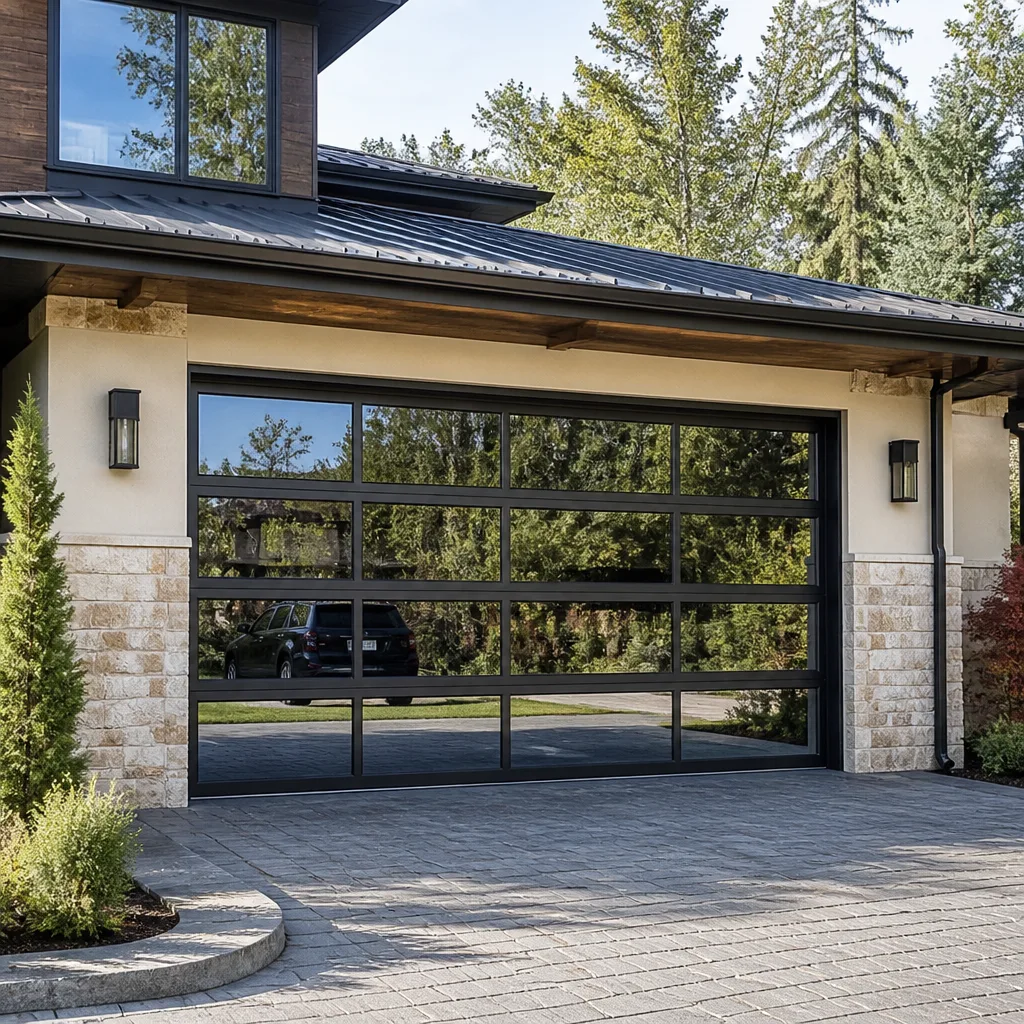 Full-view glass
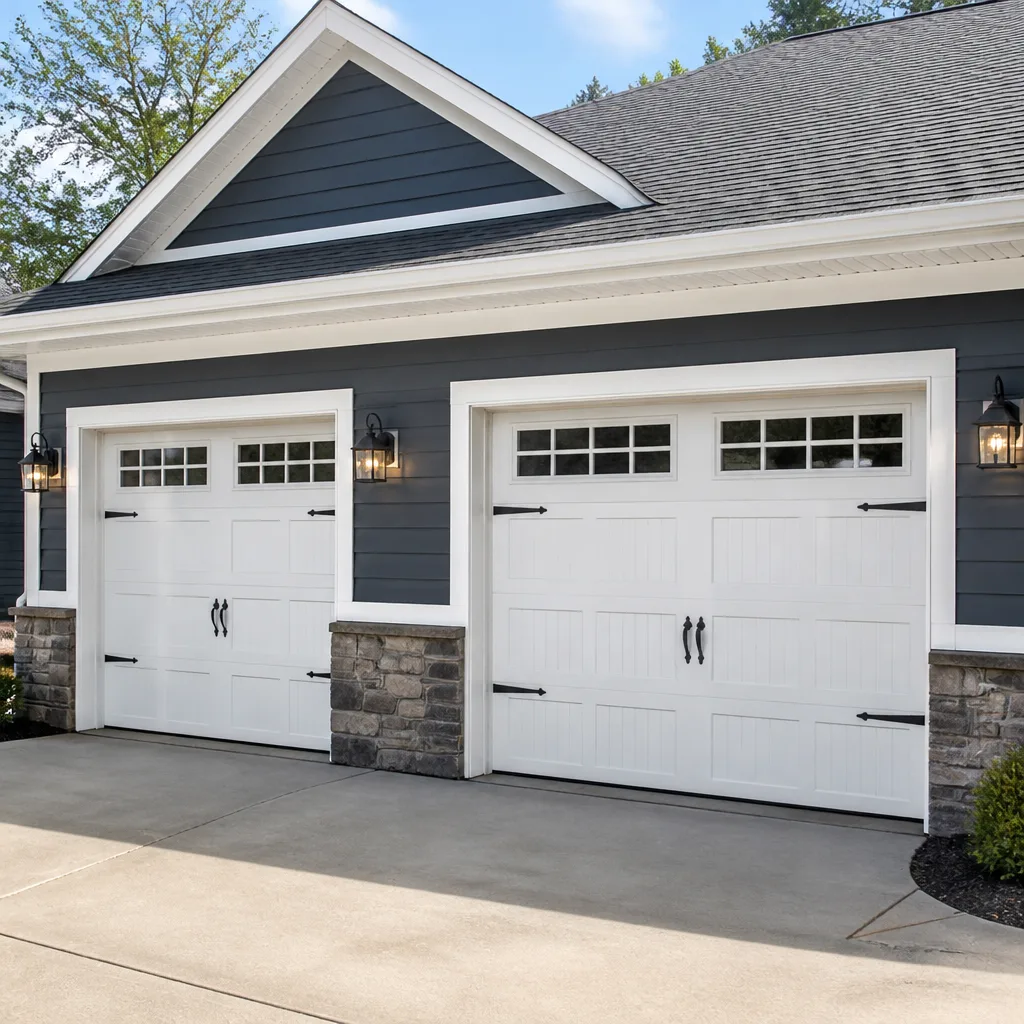 LiftMaster openers
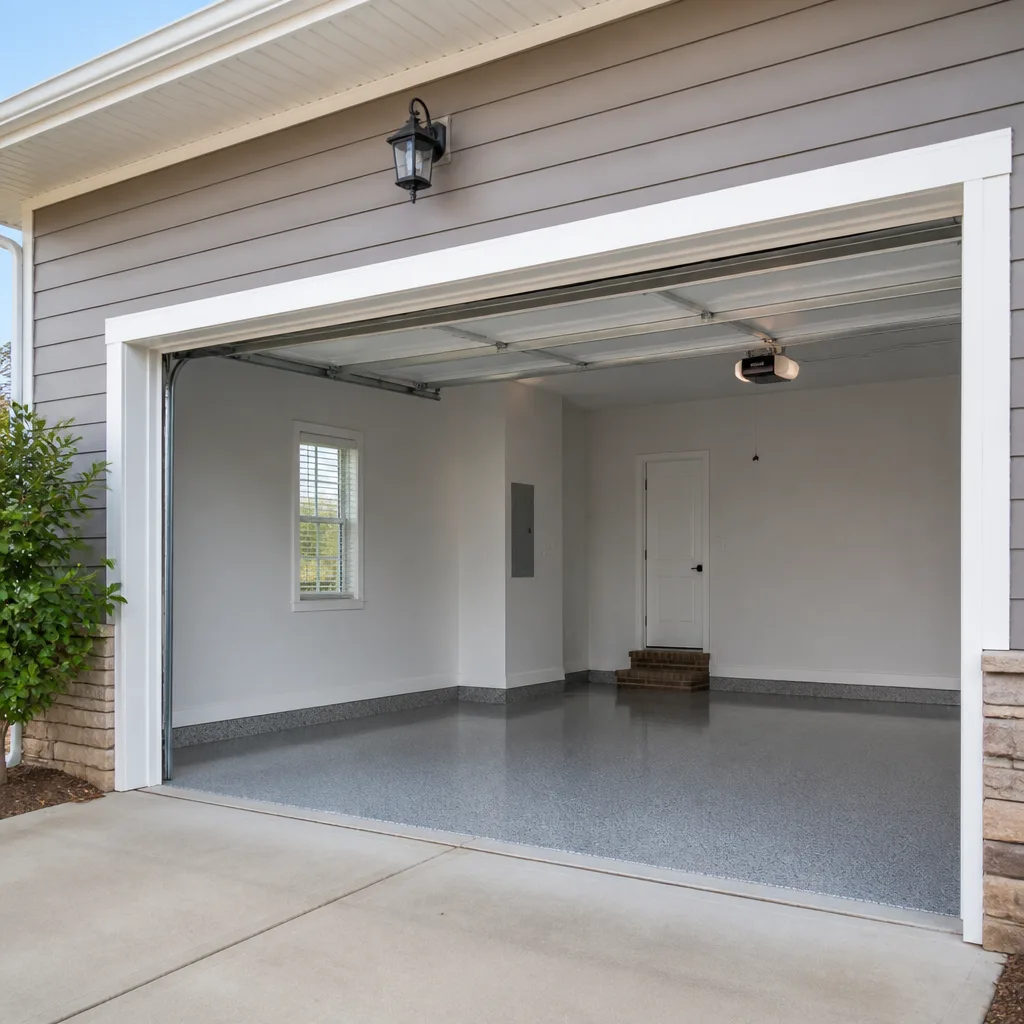 Chamberlain openers
Full 25-point door and opener safety check with every visit - springs, cables, rollers, tracks, and your LiftMaster or Chamberlain opener included
You get a price before we start. It does not change when the pro arrives.
Get your free estimateGarage Door Permits, Codes & Inspections in Shepherd Park, DC: What You Need to Know
Most homeowners assume a garage door is one of the few exterior projects that never touches a permit office. In Shepherd Park, that assumption is where things go sideways. This neighborhood sits inside a part of the District where a straight replacement can stay simple, while a slight change in material, opening size, or even the front-facing look can pull your project into a review process you didn’t plan for. The confusion isn’t your fault: DC classifies garage door work by what the job actually changes, not by what you call it on a contractor’s invoice. This guide walks you through that classification, how to check your property’s status before you order a door, and what an inspector looks for afterward.
Quick Answer
In Shepherd Park, DC, a like-for-like garage door replacement (same size, same opening, same general material) is often treated as ordinary repair and may not need a separate building permit, while a structural change, a new opening, or an alteration to a door on a historic-designated property can require review. Because DC’s rules hinge on those distinctions rather than the word “replacement,” the safe first move is a call to the DC Department of Buildings (formerly DCRA) with your address and door specs before you order anything. A garage door permit in Shepherd Park is less about paperwork than about classifying the job correctly on the front end.
Styles & brands we work with
- Raised-panel steel
- Carriage house
- Modern flush
- Full-view glass
- LiftMaster openers
- Chamberlain openers
Table of Contents
- When Does a Garage Door Replacement Need a Permit in Shepherd Park?
- Checking Historic Preservation Office (HPO) Jurisdiction Before You Order a Door
- DC Energy Code and Insulated Garage Doors on Attached Garages
- What an Inspector Actually Looks At After Installation
- How Permit Status Affects Your Homeowner’s Insurance
- A Step-by-Step Decision Tree for Shepherd Park Homeowners
- Choosing a Door and Opener That Passes Review the First Time
- When to Call a Professional
When Does a Garage Door Replacement Need a Permit in Shepherd Park?
A garage door replacement in Shepherd Park typically needs a building permit when the work changes the structure of the opening, the header, or the wall the door sits in. A same-size swap of a door panel into the existing track and opening is usually handled as repair. That’s the short version, and it’s the version most homeowners want to hear.
The longer version matters because DC’s Department of Buildings looks at what the job does to the building, not what you call it. The word “replacement” on a quote doesn’t automatically make a project permit-exempt. What does is sameness: same rough opening dimensions, same wall structure, same door type (sectional for sectional, roll-up for roll-up), and no new electrical service for an opener that didn’t previously exist.
Here’s how the threshold breaks down in practice:
- Like-for-like sectional swap: Same size, same track layout, no framing changes. Usually treated as repair, no separate building permit.
- Size change or new opening: Cutting a wider or taller opening, moving the header, or converting a wall to a door opening. This is structural work and always requires a permit.
- New opener on an existing door: Adding a powered opener where there wasn’t one, or adding a new dedicated circuit. Usually needs an electrical permit, separate from the door itself.
- Conversion projects: Turning a carport into an enclosed garage, or swapping a manual door for a heavier insulated model that changes the load on the header. Permit territory.
- Historic-designated property: Any exterior alteration, including a door, can trigger Historic Preservation Office review even when the swap is otherwise like-for-like. That’s the next section.
If you’re in a Shepherd Park property with an unusual opening, a low-clearance track, or an older wood door that was already modified, call the Department of Buildings before you order. The classification conversation takes ten minutes and saves the surprise.
Checking Historic Preservation Office (HPO) Jurisdiction Before You Order a Door
This is where Shepherd Park garage door projects get complicated. Not every property in the neighborhood is in a historic district, but some are, and DC treats a historically designated property’s garage door as an exterior element subject to review. The trap: you order a door, it arrives, the installer arrives, and only then does anyone notice the property sits inside a contributing area. Historic review can pause a project for weeks, and it’s the kind of pause that shows up on a home sale timeline.
How to check your property’s status before you spend a dollar:
- Look up your property on DC’s historic preservation maps and designation records through the District’s planning and historic preservation resources. Search by street address, not just block.
- Identify whether your property is individually designated, inside a historic district as a contributing property, or outside historic jurisdiction entirely. Those three outcomes lead to three different processes.
- Read the design review standards that apply to your specific district. The standards that govern a front-facing door differ from those for a side- or rear-facing door on most properties.
- If your property is in a historic district, submit your proposed change to the Historic Preservation Office for review before ordering the door. The HPO review usually happens through an application and can be handled by the owner or by the installing company on the owner’s behalf.
- Ask your installer to specify materials, color, panel style, and hardware in fine detail on the written quote. Historic reviewers care about specific things: visible material, articulation, and whether the new door reads as appropriate to the block.
For Shepherd Park, that last point has a real consequence. If your house was built in the early- to mid-twentieth century with a wood-look door, a reviewer is likely to ask whether a steel door with a wood-grain finish in a matching color reads appropriately. An Amarr or Clopay door in a wood-tone finish is often the answer, but the application has to name the finish and the panel style, not just the model.
We’ve seen Shepherd Park projects held up by exactly this step, and the fix is always the same: verification before ordering, not after. If you’re unsure whether your part of the neighborhood is inside a historic district, that check should be the first line of your to-do list. Our Garage Door Repair Shepherd Park team can point you to the right DC records to check.
DC Energy Code and Insulated Garage Doors on Attached Garages
If your garage is attached to the house and the wall between them is insulated, then the garage is part of the building’s thermal envelope even though you wouldn’t call it living space. DC’s energy code treats the wall and any door in it as envelope elements, and that matters when you’re choosing a replacement door for a Shepherd Park house where the garage shares a wall with the kitchen, a hallway, or a bedroom above.
What that means for a door selection:
- Insulated vs. non-insulated panel: An insulated door (foam-filled panels) is the correct choice for a garage that shares conditioned space with the house. Non-insulated doors are fine for detached garages and unheated structures.
- U-factor and R-value language: Door manufacturers publish these ratings on their product specifications. Ask your installer to show you the spec sheet for the exact model, not a general brand claim. Clopay and Wayne Dalton both publish this information per model line.
- Weatherstripping and threshold seals: An insulated door with bad perimeter seals performs worse than a non-insulated door with good seals. Energy code treats the assembly, not just the panel.
- Opener wiring and envelope penetration: If the opener install requires any penetration of the envelope wall, the sealing afterward matters. This is where a permit-driven post-installation inspection often catches a gap.
DC’s energy code changes on a cycle, so don’t assume a 2018 rulebook still applies to a project in Shepherd Park this year. Ask the Department of Buildings which code edition is currently enforced before you and your installer commit to a model. If you’re also replacing the opener, that’s a separate electrical review. Our garage door opener repair team can help you figure out which side of that line your project sits on.
What an Inspector Actually Looks At After Installation
If your project went through a permit, an inspector will visit after the door is in. The inspection is not a cosmetic review. It’s a safety-and-structure check, and in our experience the two most common failures on garage door installations aren’t about the door at all.
The first common failure is inadequate or missing safety reversal testing documentation. Every powered door opener manufactured after 1993 has an entrapment protection requirement: a pressure or photo-eye reverse mechanism that stops and reverses the door if it contacts an obstruction. Inspectors test this by placing a test object in the door’s path and confirming the door reverses. If the photo eyes are misaligned, mounted too high, or wired incorrectly, the inspection fails.
The second common failure is improper track and header attachment to changed framing. If your project involved any framing change, the inspector confirms the track brackets and torsion hardware are attached with the right fasteners, at the right depth, into framing members sized for the new door’s weight. A heavier door (an insulated Clopay, for example) loads the header differently than a cheap non-insulated panel.
Here’s what the inspector typically checks, in order:
- Door and track attachment at the header and jamb, including fastener type and embedment.
- Torsion spring mounting and cable drum attachment (visual, not disassembly).
- Safety reversal function at the opener: photo eyes, edge sensors, or both depending on door type.
- Manual release function on the opener.
- Wall-mount control height and wiring if new electrical was installed.
- Weatherstripping and seal at the perimeter, particularly where the door meets any insulated assembly.
- Labeling: manufacturer’s label still attached to the door and opener, showing model and compliance information.
What inspectors don’t check: whether you like the color, whether the door matches the house, or whether the panel style pleases anyone. Those questions belong to historic review, not building inspection. The two review streams are separate and answered at different times.
How Permit Status Affects Your Homeowner’s Insurance
A permit gap doesn’t automatically void a homeowner’s policy, but it does open a question your insurer is entitled to ask if a claim is filed. In the abstract, the concern is this: if a garage door-related incident occurs and the door installation was unpermitted, the insurer may investigate whether the unpermitted work contributed to the damage. That investigation can delay a claim, complicate a claim, or in some cases lead to a denial depending on policy language and the facts.
The permit is evidence of a paper trail: an inspector saw the installation, confirmed the safety reversal mechanism works, and signed off. That record is the kind of documentation an adjuster wants on file when a claim comes in, whether the claim is for a door failure, a vehicle damage event in the garage, or a related incident.
Here’s the practical version for Shepherd Park:
- If you pull a permit and pass inspection, you have documentation showing the work met DC’s safety and structural requirements.
- If you skip a permit on a project that needed one, that gap becomes part of the file if a claim is filed.
- If your project didn’t need a permit, keep the written installation work order and the manufacturer’s spec sheet. That’s your documentation trail.
- If your property is in a historic district, keep the HPO review approval with your other home records. It’s boundary-of-the-project documentation the same way a permit is.
We can’t speak for your insurer or your policy language. What we can say is that a written estimate, a signed work order, and a permit sign-off together make the cleanest file if a claim is ever filed. Our garage door repair team keeps records on every job for exactly this reason.
A Step-by-Step Decision Tree for Shepherd Park Homeowners
Here’s the whole thing in one flow. Follow it in order and you’ll land on the right classification before you spend anything.
- Look up your property’s historic designation. Search DC’s historic preservation resources by street address. Note whether your property is individually designated, a contributing property in a district, or outside historic jurisdiction.
- Write down your project’s actual scope. Same size and same opening? Or is the opening moving, widening, or being created for the first time? Same door type, or swapping a roll-up for a sectional? New opener where there wasn’t one?
- Classify the job. If the scope is like-for-like (same size, same opening, same door type, no new electrical), you’re in ordinary-repair territory. If the scope changes structure, opening, or electrical, you’re in permit territory.
- Apply the historic filter. If your property is in a historic district, any exterior garage door change is reviewed by Historic Preservation even if it’s otherwise like-for-like. This is the filter that matters most in Shepherd Park.
- Call the Department of Buildings with your specific address and scope. Confirm in writing (email is fine) how they classify your job. Save the reply.
- If a permit is required, pull it before any work starts, not after. Inspectors cannot review work that’s already covered.
- If historic review applies, submit the application with your door spec sheet and finish color before you place the order with the manufacturer.
- Keep everything. Permit, inspection sign-off, HPO approval if applicable, and the written work order with the model numbers on it.
That’s the whole sequence. It takes a week of phone calls in the worst case and can save a home sale timeline in the best. This guide’s thesis in one line: the classification is what matters, not the invoice wording.
Choosing a Door and Opener That Passes Review the First Time
Once you know your classification, the door selection almost writes itself. Here’s what works in Shepherd Park, where houses most often have a front-facing or street-visible garage and a mix of older framing and newer insulated assemblies.
On the door side, look for a manufacturer that publishes full spec sheets per model. Clopay and Amarr both do this for their residential lines, which makes historic review applications and inspection documentation easier. A Wayne Dalton in a wood-tone finish is often the answer for a Shepherd Park house where the reviewer wants a material match. If your property isn’t in a historic district and the door faces the alley, panel style matters less and envelope performance matters more: prioritize insulation and seal quality.
On the opener side, brand familiarity matters more than homeowners realize. LiftMaster and Chamberlain both offer smart-home integration and current safety reversal hardware, and Craftsman openers remain common in the older Smith Heights and Colonial Village parts of Shepherd Park. An opener specialist who already knows the specific logic board or travel limits on your unit is faster and more accurate, and our team covers all four of those systems directly.
Two things to specify on every written quote, whether you’re doing a repair or an install:
- The exact manufacturer and model number for both door and opener.
- The finish and panel style in enough detail that a reviewer could verify the door from the paperwork alone.
Our garage door installation team writes quotes that way on purpose, because Shepherd Park projects that go through historic review almost always need those details presented in writing anyway.
Common Mistakes to Avoid
- Assuming “replacement” means “no permit.” The word on your quote doesn’t determine the classification. The scope does. Confirm the scope with the Department of Buildings before you order.
- Skipping the historic designation check. This is the single most common Shepherd Park pitfall. A property can be inside a historic district without a visibly marked historic sign on the block, and a property outside a historic district can still have design review through a separate mechanism.
- Ordering the door before checking. Ordering triggers lead-time lock-in. If the door arrives before historic review is submitted, you’re now selling a door you may have to return or modify.
- Ignoring the opener permit. Adding an opener where there wasn’t one, or adding a new circuit, is electrical work with its own permit. The door permit and the electrical permit are separate processes.
- Treating inspection as a formality. Safety reversal testing is not a formality. If your installer didn’t test the photo eyes and the door’s reversal on the way out the door, the inspector will.
- Using a general handyman for anything beyond a like-for-like swap. The skill set required for a torsion spring, a headroom-sensitive track, and a compliant safety reversal install is not equivalent to a handyman’s, and the classification and inspection documentation that follows matches the job.
- Assuming an insurer will sort it out later. Ask your insurer, in advance, whether an unpermitted installation that otherwise met code would be covered under your policy. Get the answer in writing.
See the difference
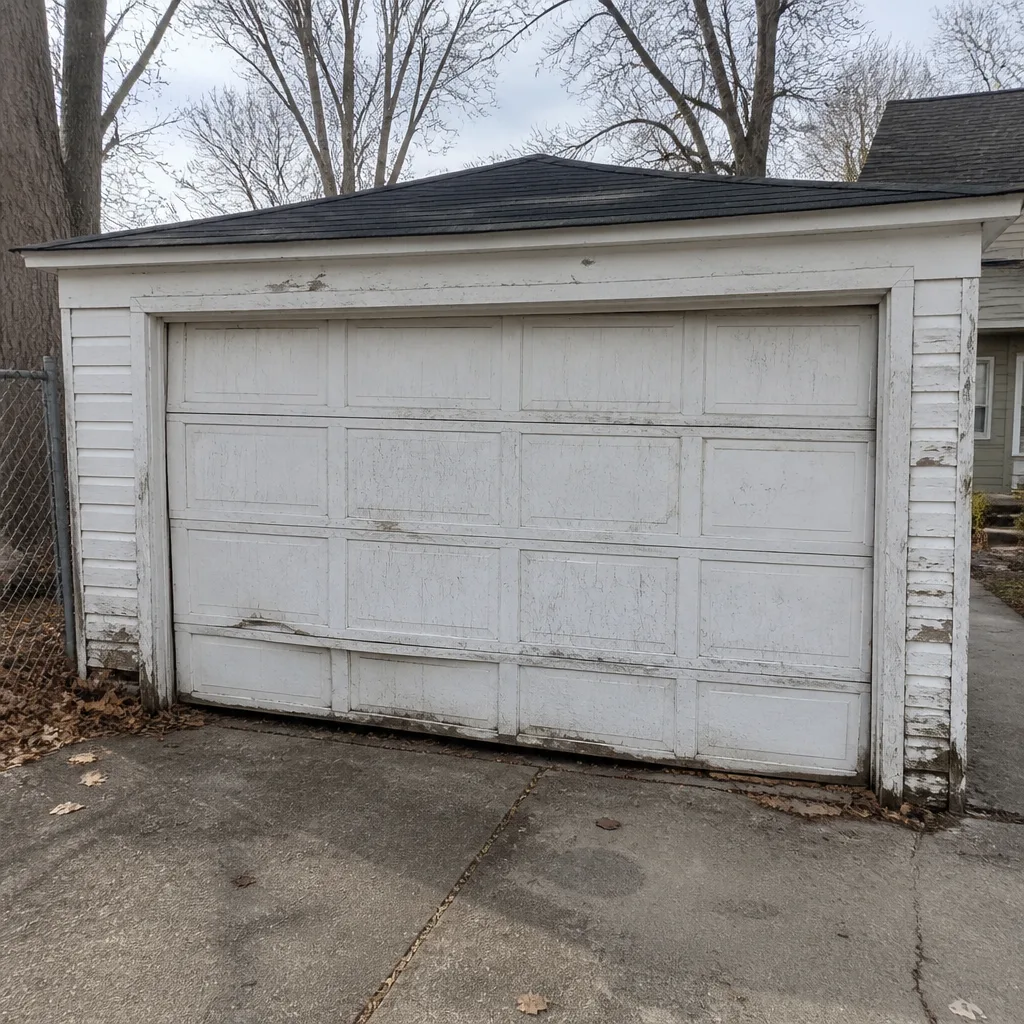 Before
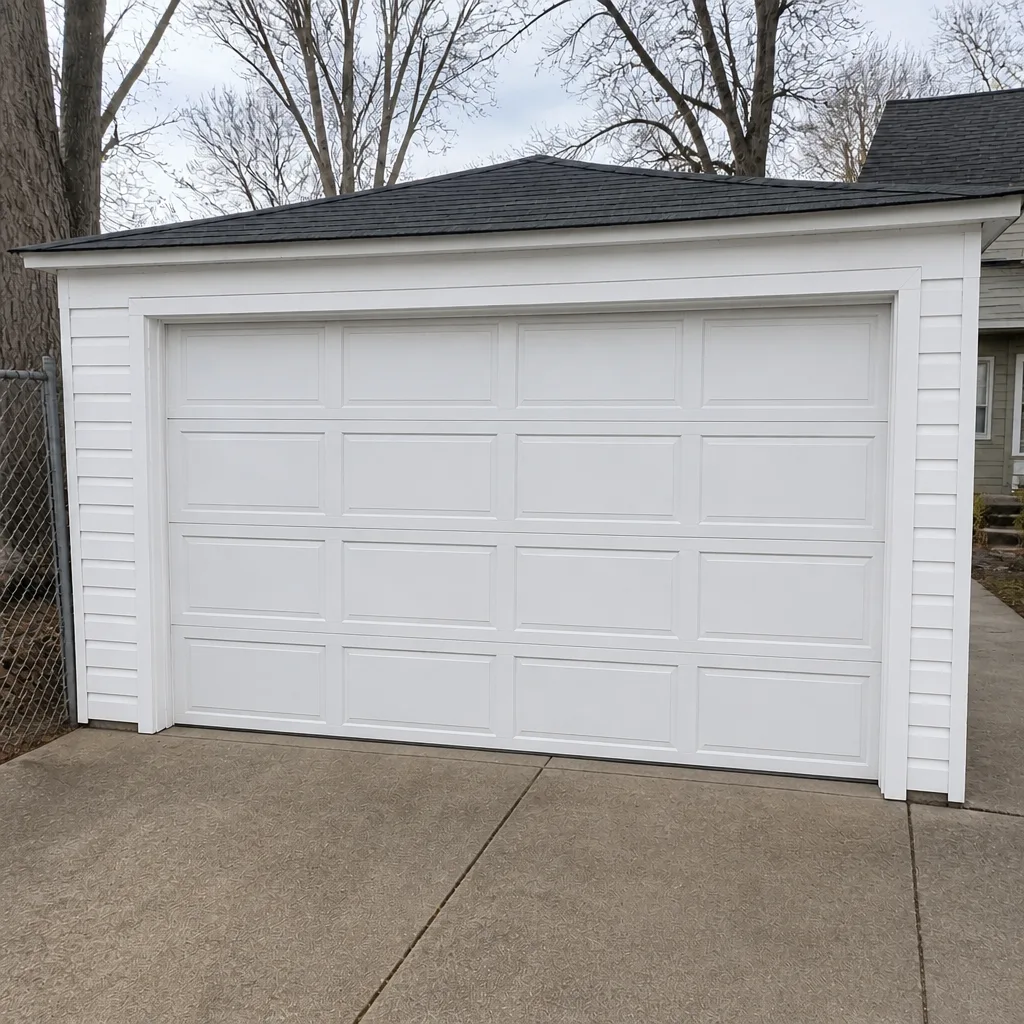 After
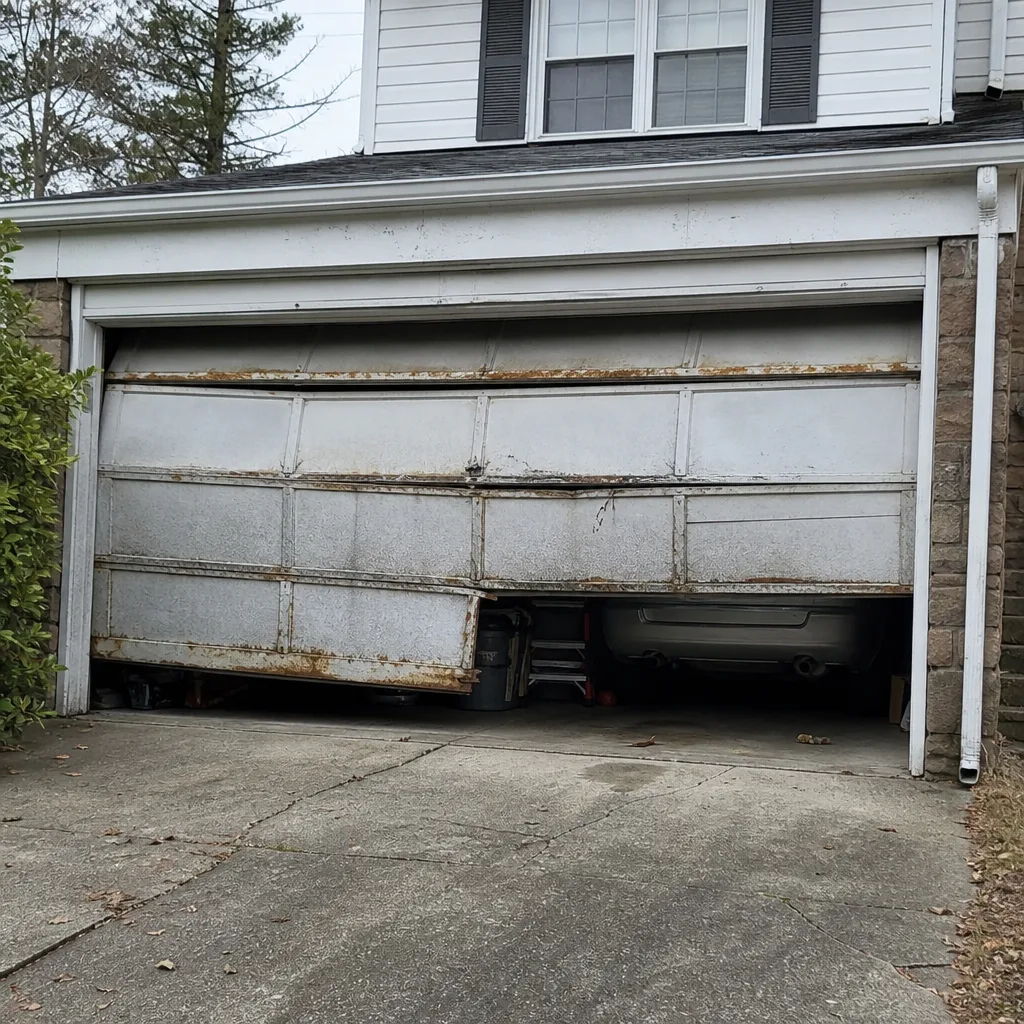 Before
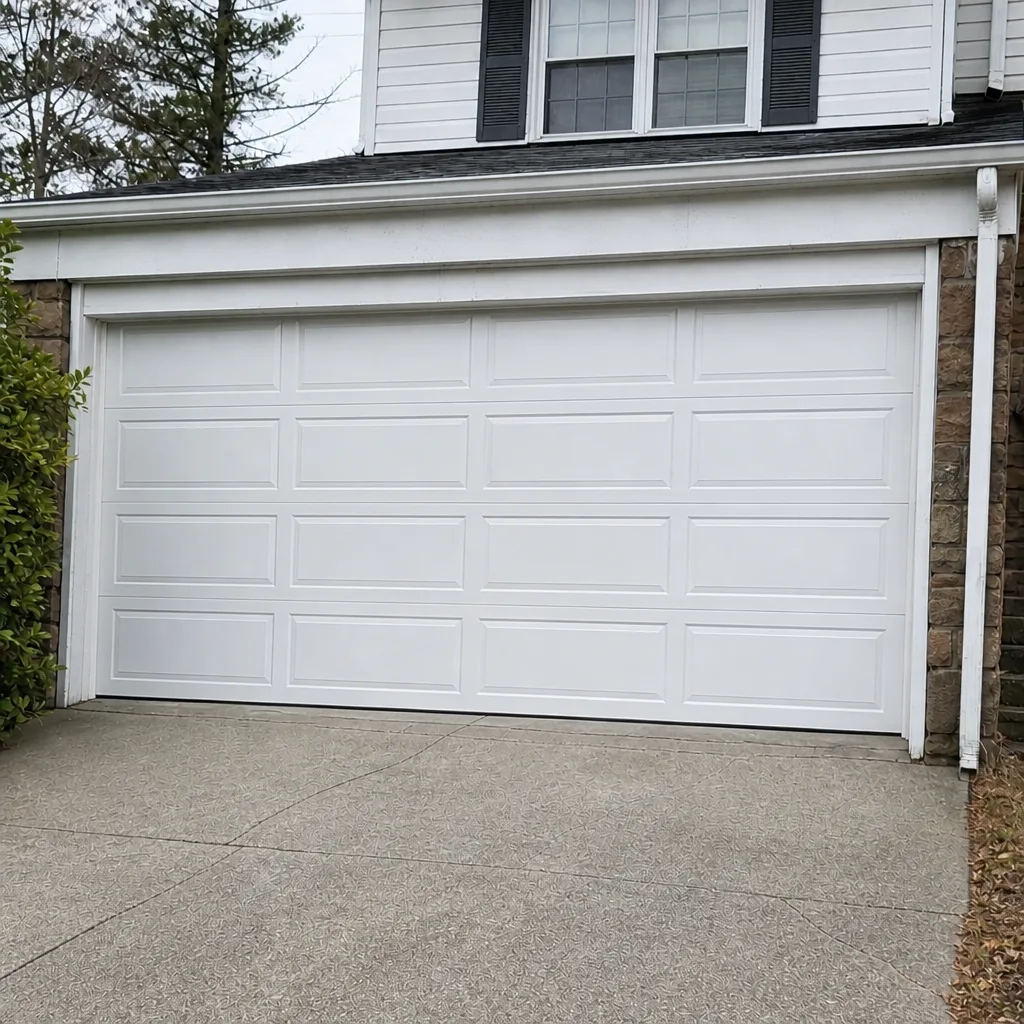 After
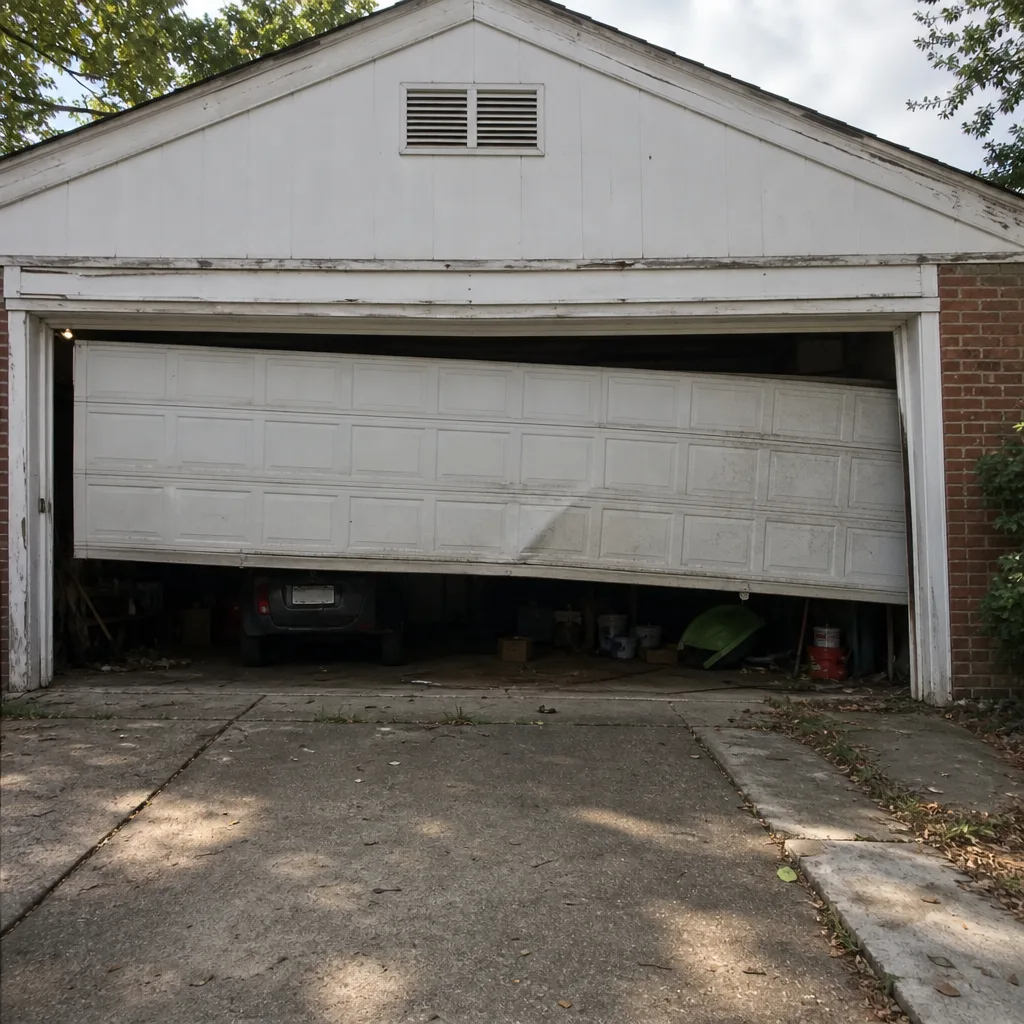 Before
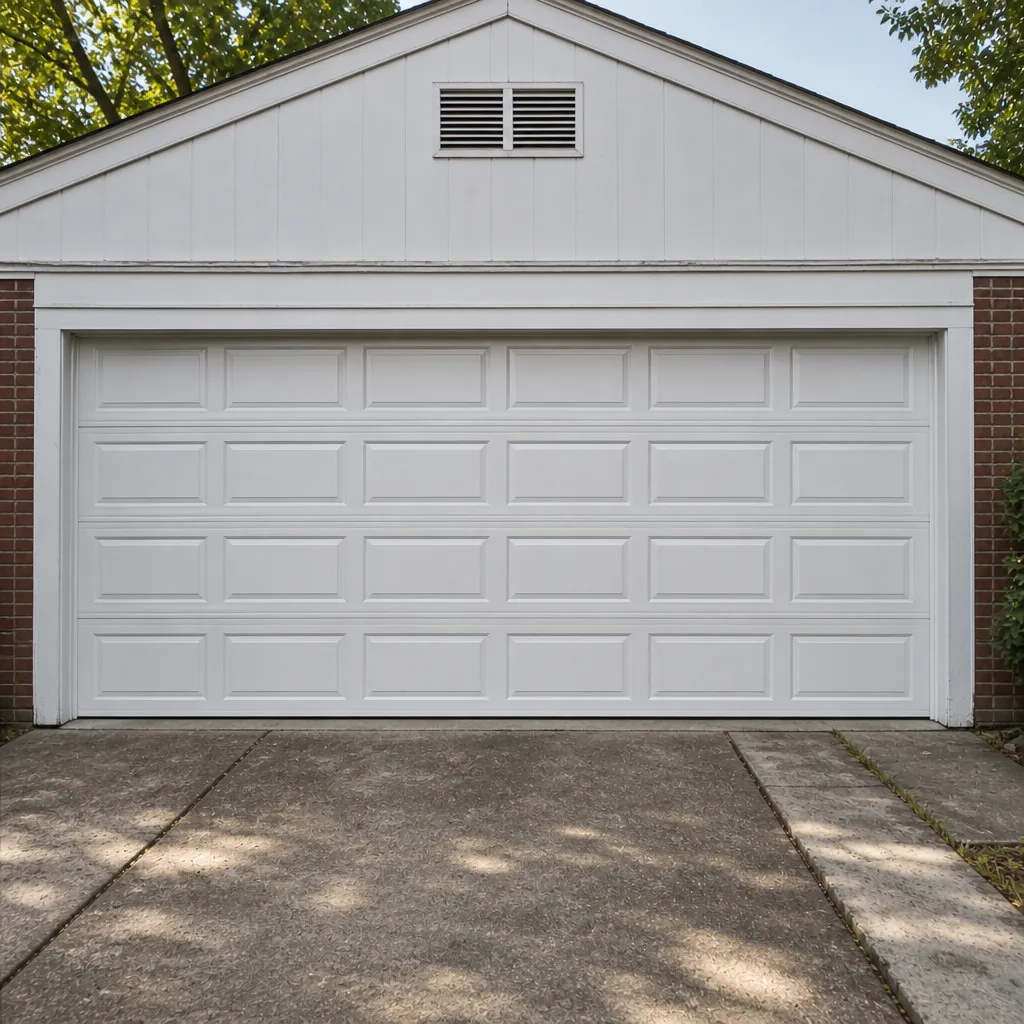 After
When to Call a Professional
Some garage door situations are straightforward enough that the homeowner is fine grabbing a manual and reading the manufacturer’s documentation. A sticking door, a noisy roller, a remote that needs reprogramming: try it. Two categories should not go there. The first is any torsion spring, cable, or drum work. Those components hold the full weight of the door on high-tension steel, and a slip is a serious injury. The second is anything with an inspection or a permit attached. If your project needs to pass an inspector, a written work order that matches the permit application matters, and a general handyman isn’t always set up to produce one. Garage Door Repair Shepherd Park offers free estimates in Shepherd Park – call (855) 337-1732. We answer 24/7. Fast dispatch from 7am to 7pm, Sunday through Friday. Our technicians have up to 14 years of experience, and the written quote is what the final price matches.
Frequently Asked Questions
Often no, if the replacement is truly like-for-like: same size, same rough opening, same door type, and no new electrical work. A building permit is typically required when the work changes the opening size, the framing, or the wall structure, adds an opener where there wasn’t one, or takes place on a historic-designated property where exterior alteration review applies. Because the answer depends on your specific property and scope, call the DC Department of Buildings with your address before ordering. Call (855) 337-1732 for an exact quote on the install – estimates are free.
Search DC’s historic preservation resources by street address, not neighborhood name, because historic district boundaries can run down the middle of a block. Look for whether your property is individually designated, inside a historic district as a contributing property, or outside historic jurisdiction entirely. If you’re unsure, call the Historic Preservation Office directly with your address. The distinction matters because an in-district like-for-like swap may still need HPO review even when no building permit is required.
Timelines vary by application type, project complexity, and current review volume at the Department of Buildings. A simple like-for-like permit is typically faster than a structural change or a project that also goes through historic preservation review. Historic review adds a separate processing step beyond the building permit. Ask the Department of Buildings for the current review timeline for your specific application type before you schedule the install work – the written estimate from your installer can be held open while you wait, but the door order lead time usually can’t be shortened.
Inspection fees follow DC’s published fee schedule, and the fee depends on the permit type. Historic preservation review has its own application fees. Beyond that, the door and installation cost depends on the model, size, and whether an opener is included; the price is set by the written estimate you approve before any work starts, and it doesn’t change once the work is done. Call (855) 337-1732 for an exact quote – estimates are free.
Usually yes. Adding a powered opener where the door was previously manual typically requires an electrical permit for the new circuit or wiring, separate from any door permit. The permit review confirms the opener is wired to code and the safety reversal mechanism is present and functional. If you’re also replacing the door, ask the installer whether the door permit and electrical permit can be filed together or whether they run as separate applications – the answer varies by project.
For a like-for-like swap on a property outside historic jurisdiction, in many cases yes. For anything that changes the opening, the framing, or the electrical system, or for a property inside a historic district, no – those categories require the relevant review. If you’re not sure which category your project falls into, call the Department of Buildings with your address and scope. Skipping a required permit can complicate a home sale and an insurance claim, and the check takes minutes.
The Bottom Line
DC’s garage door rules look complicated because they classify work by scope, not by label. In Shepherd Park, three facts do most of the work: whether the job is truly like-for-like, whether the property is inside historic jurisdiction, and whether new electrical work is part of the project. Check those three before you order a door and you’ve avoided the most common delays. The written estimate, the permit sign-off if applicable, and the HPO approval if applicable together form the paperwork trail that any future home sale or insurance claim will want to see. When the door needs replacing, or a spring needs replacing safely, we’re here to help. Call (855) 337-1732. We answer 24/7. Fast dispatch from 7am to 7pm, Sunday through Friday. The written quote sets the final price, and estimates are free.
Written by the team at Garage Door Repair Shepherd Park.