
Last updated November 21, 2026
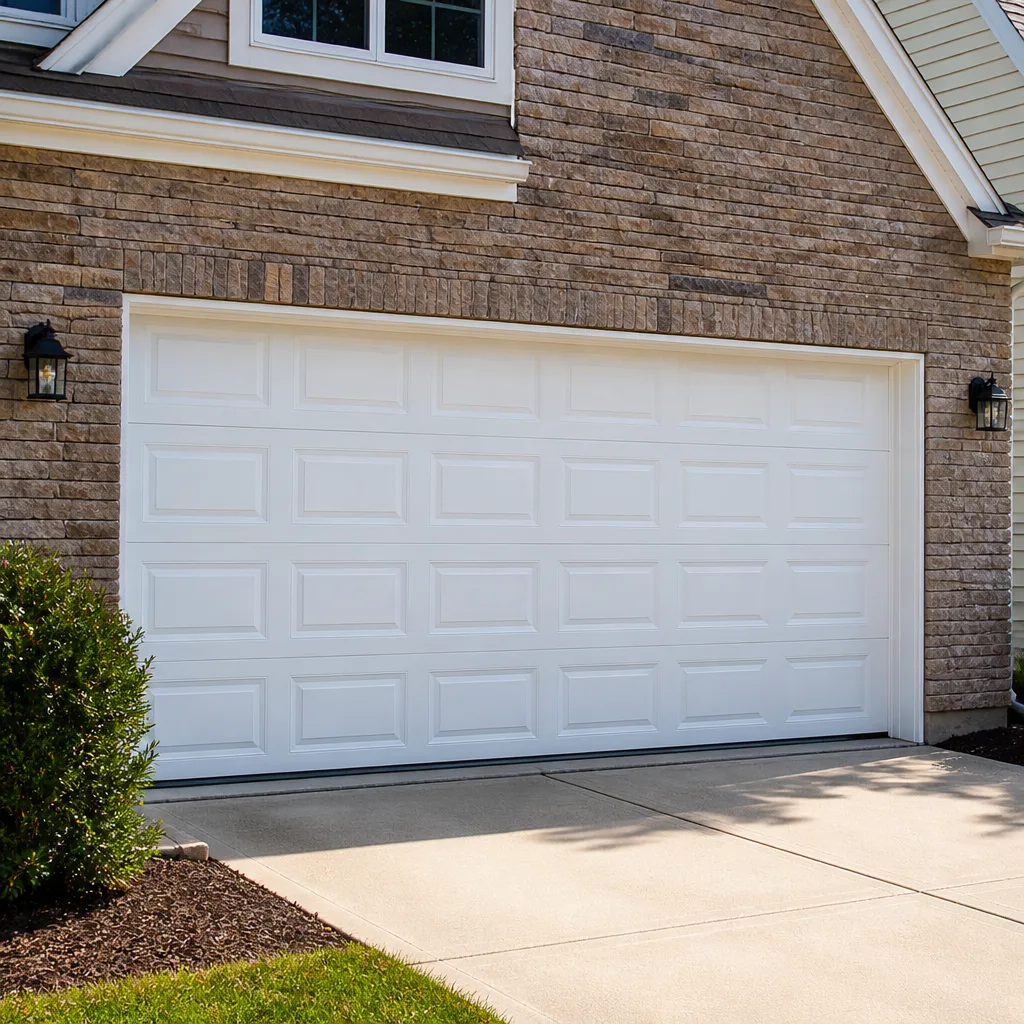 Raised-panel steel
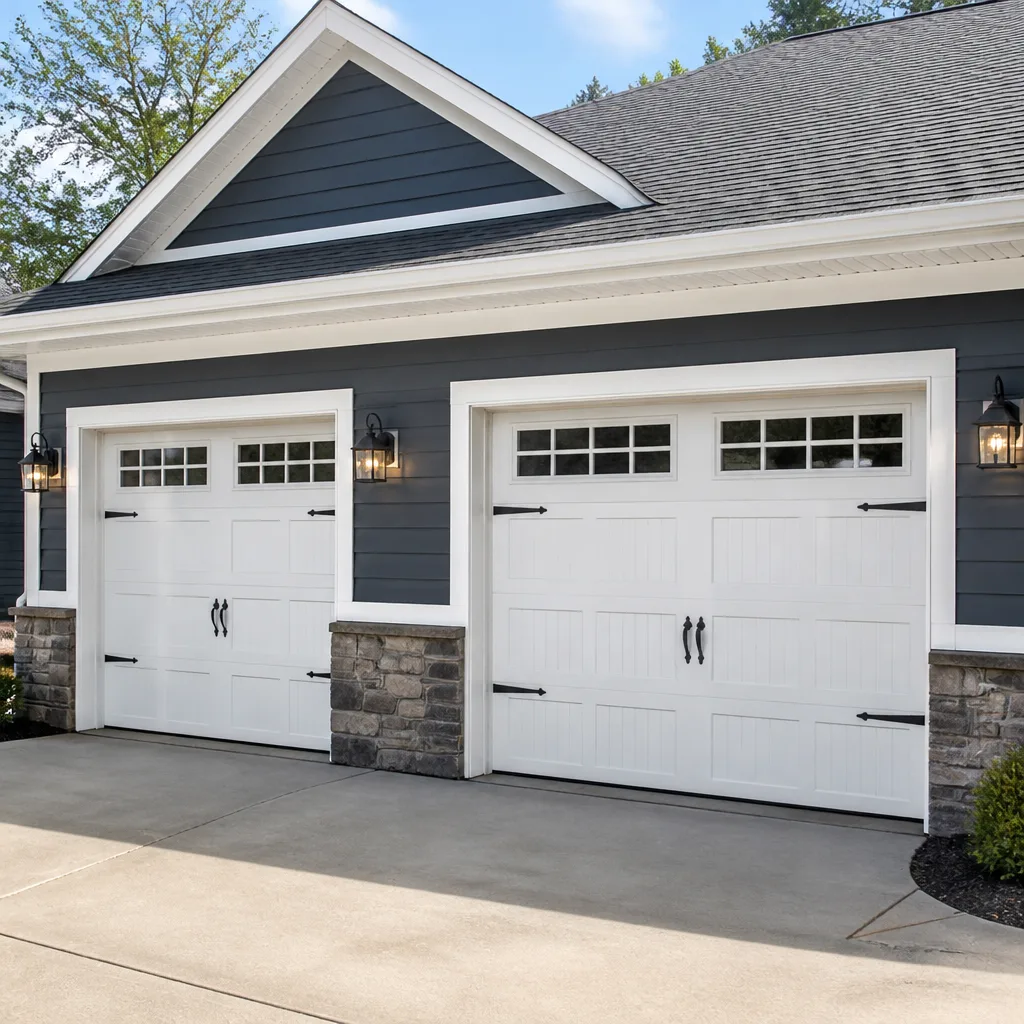
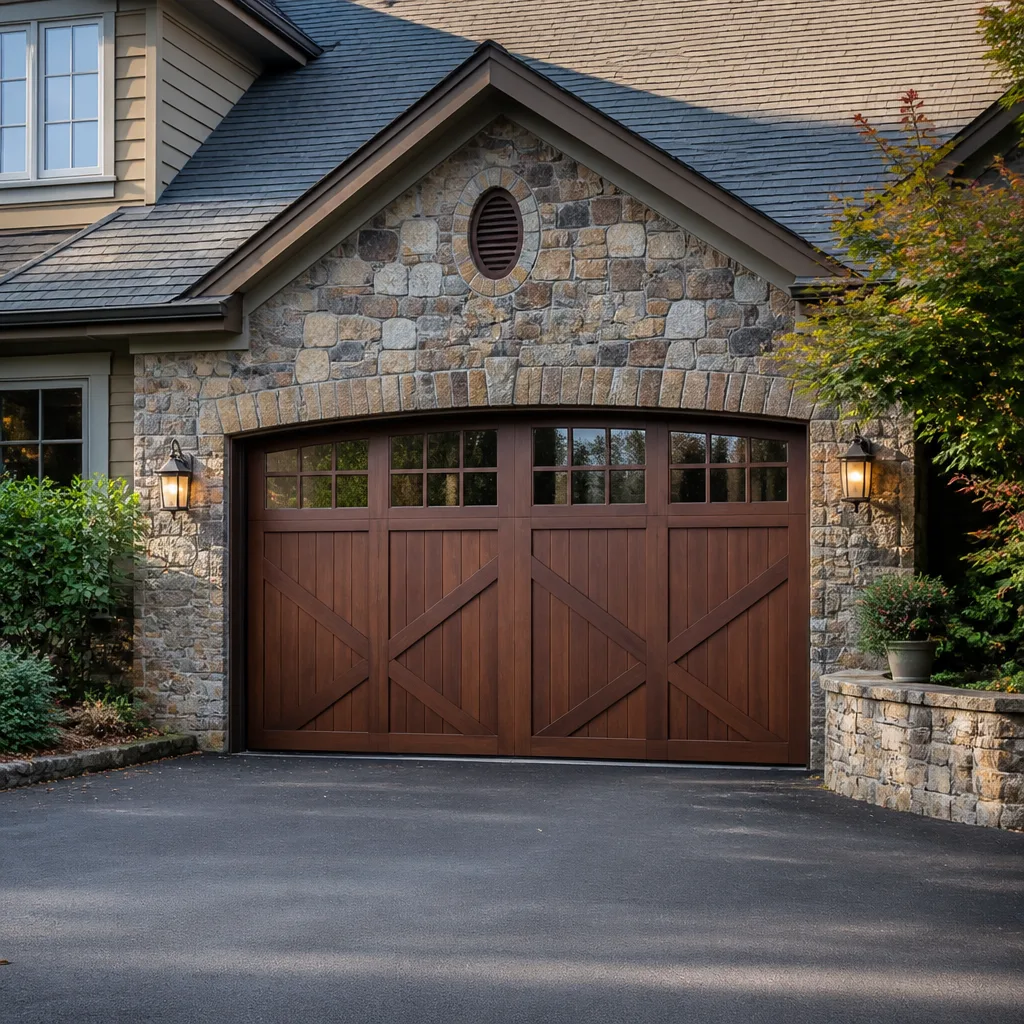 Carriage house
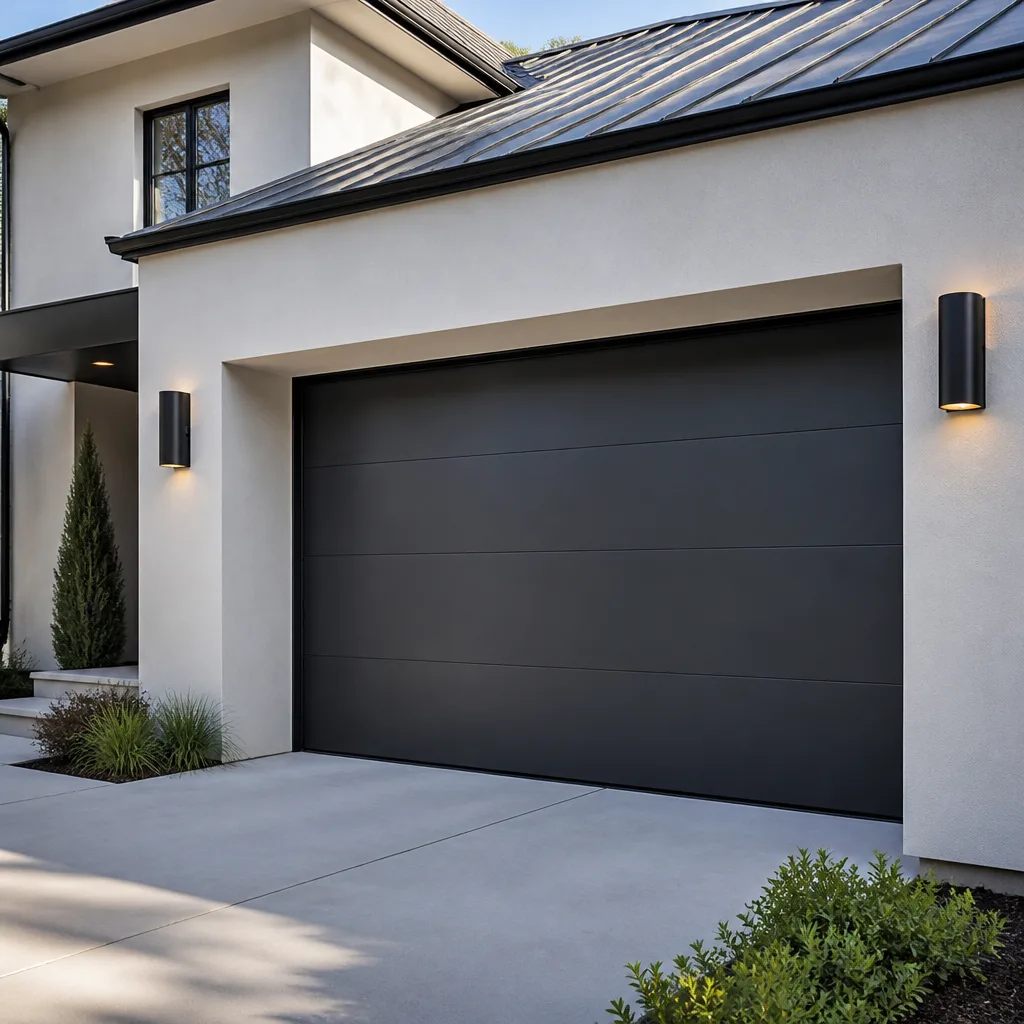 Modern flush
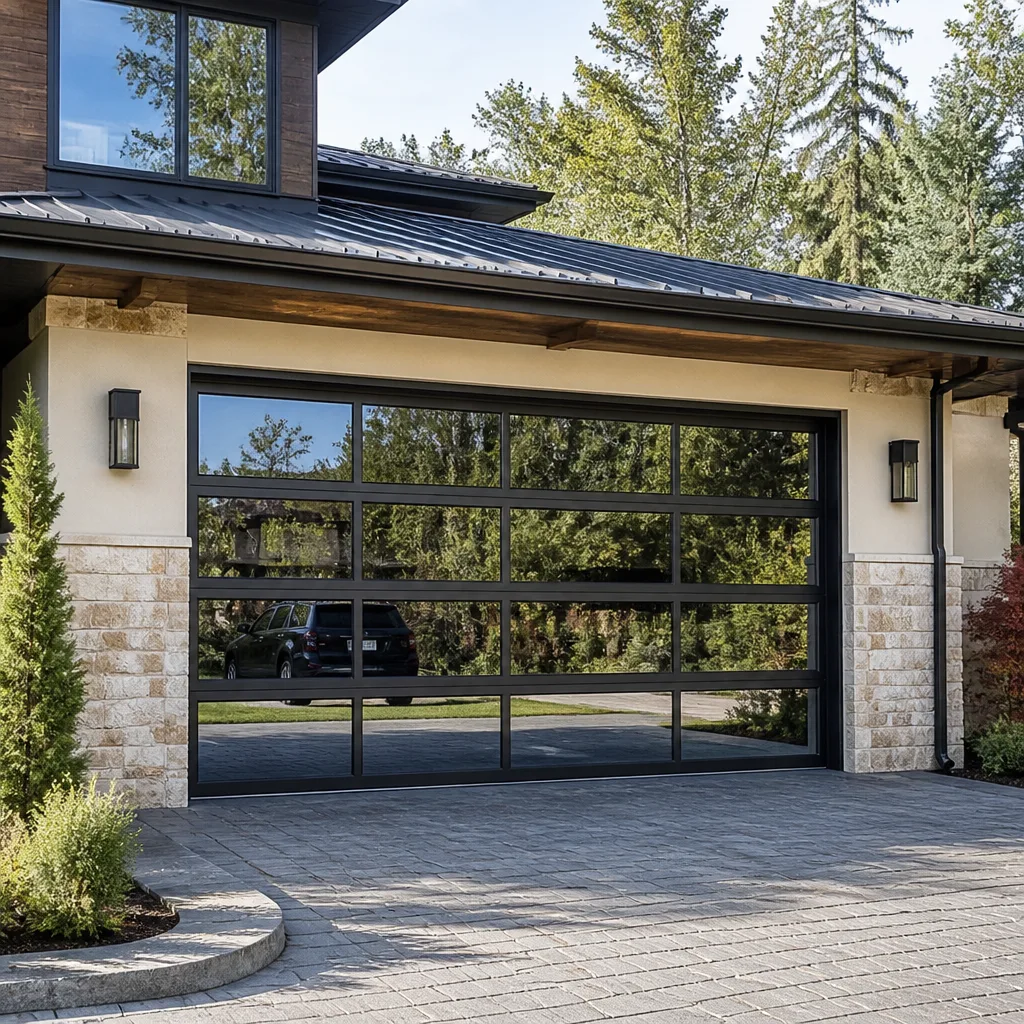 Full-view glass
 LiftMaster openers
 Chamberlain openers
Full 25-point door and opener safety check with every visit - springs, cables, rollers, tracks, and your LiftMaster or Chamberlain opener included
You get a price before we start. It does not change when the pro arrives.
Get your free estimateGarage Door Emergency Preparedness Guide for Shepherd Park Homes
The red emergency release cord hanging from your opener is probably the most misused piece of hardware in home safety. Most people assume pulling it frees a stuck door. On a door with a broken spring it does the opposite: it drops a few hundred pounds of steel with nothing holding it back. That single misunderstanding causes more injuries than the emergency itself. This guide walks through the three situations Shepherd Park homeowners actually deal with – a power outage, a snapped spring, and a door stuck open – and gives you the exact order of steps, what to check, and what information to have ready so a technician arrives with the right parts the first time.
Quick Answer
A garage door emergency is manageable if you know three things before it happens: never pull the red release cord on a door with a broken spring, keep the door closed and secured rather than forcing it, and call for help with your door’s opener brand, spring type, and the exact symptom ready. In Shepherd Park, power outages and cold-snap spring failures are the two most common triggers, and both follow a predictable playbook once you know it.
Styles & brands we work with
- Raised-panel steel
- Carriage house
- Modern flush
- Full-view glass
- LiftMaster openers
- Chamberlain openers
Table of Contents
- How to Manually Operate Your Door During a Power Outage
- What to Do When a Torsion Spring Snaps
- How to Secure a Door Stuck in the Open Position
- Is Your Door Safe to Use After an Emergency?
- What Information to Have Ready When You Call
- How Torsion and Extension Systems Fail Differently
- Building a Pre-Emergency Checklist for Your Door
- Common Mistakes to Avoid
How to Manually Operate Your Door During a Power Outage
During a power outage, you can open a garage door by hand, but only if the door and its springs are healthy. The sequence matters more than people realize. Pull the release cord first, then lift – never the other way around, and never on a door that feels unusually heavy. In Shepherd Park, the neighborhood has plenty of mature tree canopy along streets lined with older brick homes, and a storm that takes out a branch often takes out the block’s power with it. Knowing this routine before the lights go out saves a lot of fumbling in the dark.
Follow this order:
- Confirm the door is fully closed and the opener has stopped running. Wait a few seconds after the power drops.
- Locate the red release cord hanging from the opener carriage. On most LiftMaster, Chamberlain, Genie, and Craftsman openers it sits near the center rail.
- Pull the cord straight down with a firm, steady motion until you feel the carriage disengage.
- Lift the door slowly by hand, testing the weight as you go. A well-balanced door should lift with modest effort and stay put when you let go halfway.
- If the door feels heavy, binds, or won’t stay up, lower it gently and stop. That’s a spring or balance problem, not a power problem.
- Move the car out or into the garage, then lower the door by hand and re-engage the carriage by running the opener once power returns.
If your door is fitted with a battery-backup opener – common on newer LiftMaster and Chamberlain units – you may not need to lift it by hand at all. Check whether the unit has a backup battery and a test button before you assume manual operation is your only option.
What to Do When a Torsion Spring Snaps
When a torsion spring snaps, the door becomes extremely heavy and the counterbalance that normally holds it is gone. Do not pull the release cord, do not try to lift the door by hand, and do not attempt to cycle the opener again. Instead, keep the door where it sits if it’s closed, treat the opener as disabled, and call for spring service. A snapping torsion spring sounds like a sharp crack – many homeowners describe it as a gunshot from inside the garage. If you hear it while the door is in motion, the safest move is to step clear and wait for the door to settle before approaching.
Here’s how a spring failure usually plays out in Shepherd Park’s housing stock. Older brick homes often carry heavier wood or steel doors on a torsion system mounted above the header. When temperatures swing hard – which they do here in Deep Winter and again in early Spring – the metal fatigues and the spring lets go. The door may have been working fine an hour earlier. That’s normal. What matters is how you respond.
Do this:
- Stop using the opener immediately. Cycling a broken spring strains the opener motor and can snap a cable.
- Keep the door closed if the spring broke while the door was down.
- Keep people and cars clear of the door if the spring broke while the door was up.
- Look, don’t touch. A snapped spring leaves a sharp, unwound coil with stored tension in the cone and cable. Those components can release energy without warning.
- Call for spring service and describe which side snapped, whether there are two springs on the shaft, and whether you heard the break while the door was moving.
Spring replacement is the repair we do most, and it’s the one where the danger is realest. If your door has a broken spring at all, that’s a professional job. See our garage door repair page for what a spring call covers.
How to Secure a Door Stuck in the Open Position
A door stuck open is a security problem before it’s a mechanical one. You can secure it temporarily without forcing the door closed. The goal is to prevent the door from coming down unexpectedly and to keep the opening physically blocked until a technician arrives. In Shepherd Park, where many garages sit at the back of the lot off an alley, this matters. An open door is visible from the alley and gives anyone passing through an easy look inside.
Safe temporary options, in order of preference:
- Vice grips or a C-clamp on the vertical track. Clamp just above a roller on each side of the door. This stops the door from sliding down the track even if a cable or spring lets go. Most garages have a pair of pliers or clamps in the toolbox.
- A locking bar or pipe through the track. Lay a sturdy bar across the track above a roller on each side, resting on the door frame. This blocks downward travel.
- Exterior brace. If the door is fully up, brace it from the outside with a heavy ladder or a piece of lumber cut to fit. That’s a stopgap, not a fix, and only if you’re certain the door isn’t moving.
- Physical barrier. Park a car in the opening, or set a heavy trash bin or furniture in front of it. It won’t secure the door, but it makes the opening harder to walk into.
Do not try to force the door down by hand. If the spring is broken or the cable is off the drum, the door has no counterweight, and pushing it down can let it fall the rest of the way with your hand still under the bottom section. Call for emergency service instead. For our emergency response window, see Garage Door Repair Shepherd Park. We answer 24/7. Fast dispatch from 7am to 7pm, Sunday through Friday.
Is Your Door Safe to Use After an Emergency?
Your door is safe to operate normally only if it opens and closes smoothly, holds position when stopped halfway, and shows no visible damage to springs, cables, or rollers. If any of those three checks fail, leave the door closed and call for service. This single test answers the question for most homeowners: stop the door a foot or two off the ground, let go, and see whether it stays put. A balanced door stays. A tired door drifts down.
Run through these checks before you resume normal use:
- Weight test. With the opener disengaged, lift the door halfway. It should feel light enough to manage with one hand and hold position when you let go.
- Visual inspection. Look at the springs above the door. A broken torsion spring has an obvious gap in the coil. A broken extension spring stretches out straight, with the two halves hanging loose.
- Cable check. Cables should sit snug against their drums. A cable that’s loose, off the drum, or frayed means the door is not safe to operate.
- Track alignment. The door should ride evenly and not bind on either side. Warped or bent tracks mean the door can come off the rollers.
- Reverse test. Place a 2×4 flat on the floor under the closing door. The door should reverse on contact. If it doesn’t, the safety system needs attention before you use the opener again.
If any of those fail, treat it as “not safe” and keep it closed. In Shepherd Park’s tight mid-century alleys, a door that comes off track can also take out the trim on a neighbor’s fence or a parked car, so the stakes go beyond your own garage.
What Information to Have Ready When You Call
The information you give when you call determines whether the technician arrives with the right spring, opener board, or cable in hand. Have these details ready and the odds of a single-visit fix go way up. The difference between a same-visit fix and a return trip often comes down to one question the customer could have answered up front.
Gather this before dialing:
- Door type and material. Wood, steel, aluminum, or composite. Also note whether it’s a sectional roll-up or a one-piece tilt door.
- Spring type and count. Torsion (a coiled spring on a horizontal shaft above the door) or extension (two springs running parallel to the horizontal tracks). How many springs do you see?
- Opener brand and model. LiftMaster, Chamberlain, Genie, Craftsman, and Raynor are the most common brands on Shepherd Park homes. The model number is usually on a sticker on the opener housing or the back of the rail.
- Door brand if visible. Clopay, Amarr, and Wayne Dalton panels often carry a small label on the inside top section. This helps us know the panel section dimensions and the track geometry.
- What happened, in order. “The door stopped halfway and I heard a snap,” or “the opener hums but doesn’t move the door,” or “the door reversed halfway down.” A short factual description prevents misdiagnosis.
- Current door position. Fully closed, fully open, or stuck in between. This tells us what tools to bring and how to approach the site safely.
- Access notes. Whether the garage opens to an alley, whether the door faces a street with parking restrictions, and whether the opener is on a GFCI circuit that gets tripped.
Have that list ready and the call takes two minutes. Reach us at (855) 337-1732. We answer 24/7. Fast dispatch from 7am to 7pm, Sunday through Friday.
How Torsion and Extension Systems Fail Differently
Torsion and extension springs fail in different ways, and the failure mode tells you how urgent the situation is. Torsion springs break with a loud crack, leave a visible gap in the coil, and take the door’s counterbalance with them instantly. Extension springs break more quietly, often with a twang, and the broken halves can whip toward the ceiling or the door. Both mean the door is now unweighted and unsafe to move by hand. Neither is a live electrical hazard, but both are physically dangerous.
In Shepherd Park, most of the homes we see fall into one of two groups. Older brick garages built mid-century often carry extension springs running above the horizontal tracks. Newer builds and retrofits typically use torsion. Knowing which system is on your door helps in two ways: it determines what temporary safety measures are appropriate, and it tells the technician what to bring. Extension springs without a safety containment cable are a particular risk. If you see two bare springs above the tracks with nothing running through their center, that’s worth mentioning when you call – a safety cable can be added with the spring replacement.
A few things stay consistent across both systems:
- The door must have both springs replaced if they’re a matched pair. Replacing one spring on a door with two leaves the older spring to fail within weeks.
- Opener damage often follows a spring break. If the opener ran the door after the spring snapped, it may need service too – which is why we combine door and opener work on the same visit.
- Springs carry years of cycled tension. A spring that has cycled tens of thousands of times has no reliable warning before it fails.
If your opener was running when a spring broke, see our garage door opener repair page to understand what else may need attention.
Building a Pre-Emergency Checklist for Your Door
Most of what makes a garage door emergency survivable is preparation done weeks or months before. Spend an afternoon on these checks and you’ll know exactly what to do when the power drops or a spring snaps. This is the part of the guide most homeowners skip, and it’s the part that pays off most.
Work through this once a year:
- Test the manual release. With the door fully closed and the opener disengaged, pull the red cord. Lift the door by hand enough to feel its weight. If it feels light and stays up, your springs are healthy. Re-engage the carriage afterward by running the opener.
- Locate your opener model number. Photograph the sticker on the opener housing and the door brand label on the inside top panel. Also note whether the unit carries a battery-backup feature.
- Check the safety reverse. Place a 2×4 on the floor under the closing door. The door should reverse on contact.
- Inspect springs for rust and gaps. Rust-colored springs and visible coils with uneven spacing are both warning signs.
- Confirm extension spring safety cables. If your door uses extension springs, verify a cable runs through the center of each spring.
- Know your emergency call list. Save the number for emergency garage door service in your phone with a note about the door brand. In an outage, you won’t want to search.
If any of the checks above turn up a problem, that’s an early-warning fix, not an emergency. A tired spring or a binding track noticed early is a scheduled call, not a middle-of-the-night one. And if the door is at the end of its service life, that’s worth understanding before a failure: see garage door installation for what a full replacement involves and when it makes more sense than repair.
Common Mistakes to Avoid
- Pulling the red release cord on a door with a broken spring. On a healthy door it disengages the opener. On a door with a broken spring, it turns the door into dead weight on the tracks. Never pull it if the door feels heavy or the spring looks broken.
- Cycling the opener “just to see” if it works. Running the opener after a spring snaps can burn out the motor, snap a cable, or bend the door. If the spring is broken, stop and call.
- Pushing a stuck door down by hand. A door without counterbalance can drop the rest of the way with your hand still under a hinge. Keep hands, fingers, and feet clear of the door path whenever the door is in motion.
- Forcing a door past a binding track. In Shepherd Park’s older garages, track alignment drifts as the wood framing settles. Forcing the door bends the panels and worsens the alignment. If it binds, it stays put until a technician looks at it.
- Trusting a handyman to replace a torsion spring. Torsion spring work requires specific tooling and knowledge of the counterbalance system. A trial-and-error generalist is the wrong call for the highest-tension component on the door.
- Replacing one of a matched pair of springs. If your door has two springs and one snaps, both go together. The remaining spring has the same wear history and fails soon after.
- Securing an open door only with the opener. An opener isn’t a lock. If the door is stuck open and the power is out, the carriage is disengaged and the opener does nothing. Clamp the track or block the opening instead.
See the difference
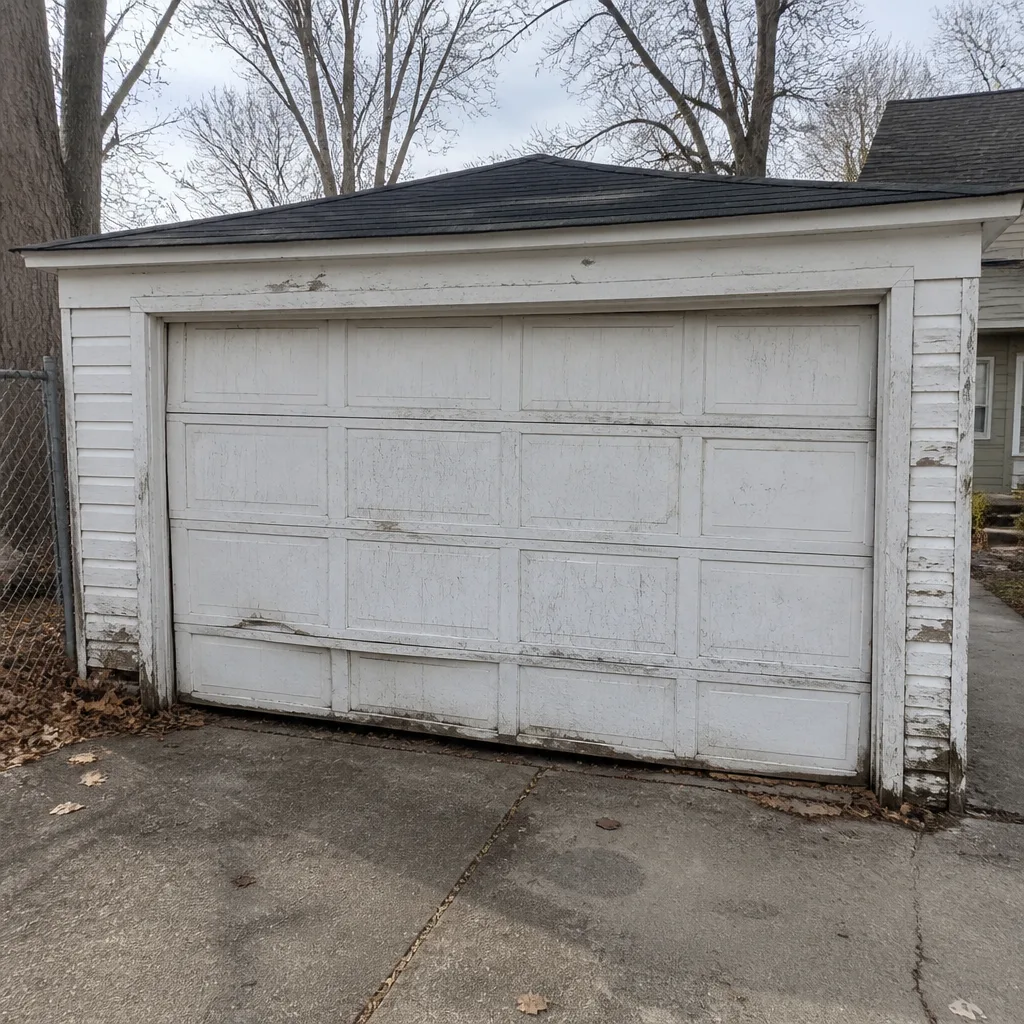 Before
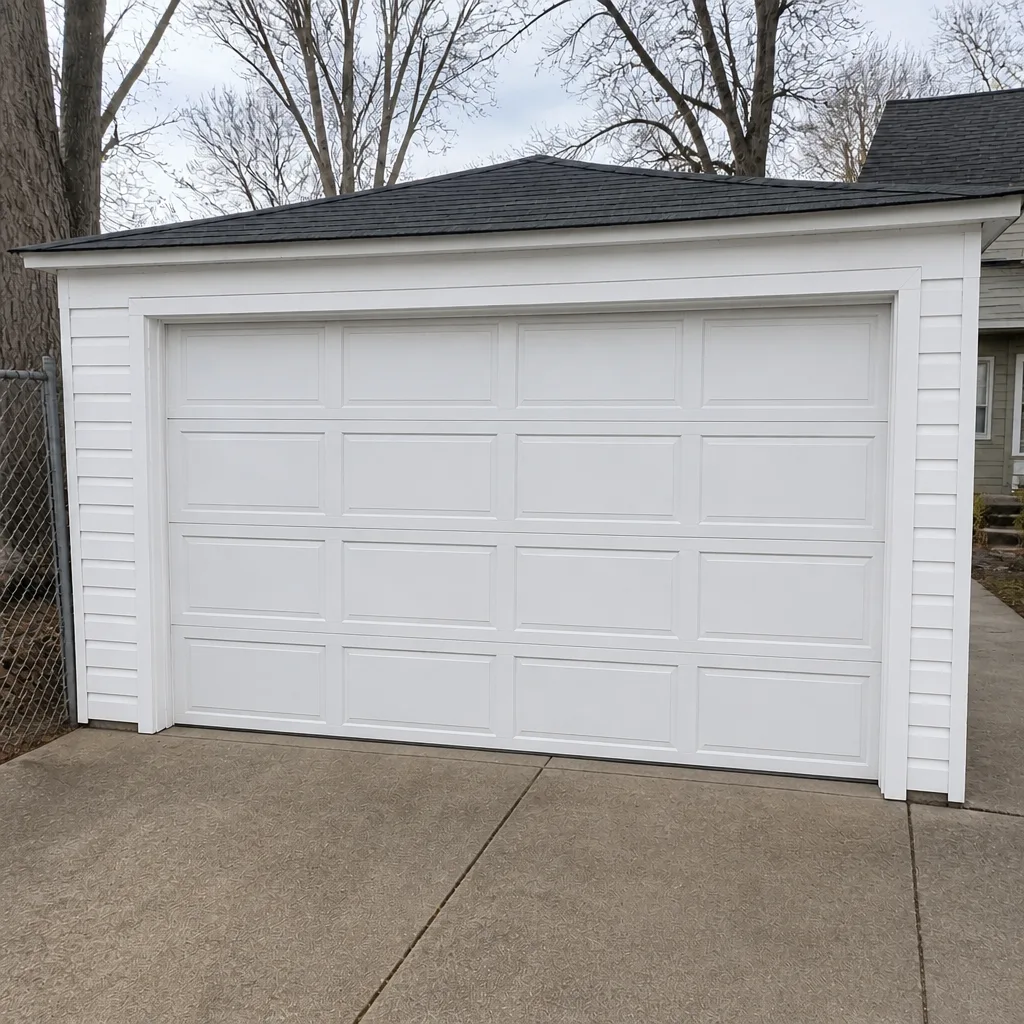 After
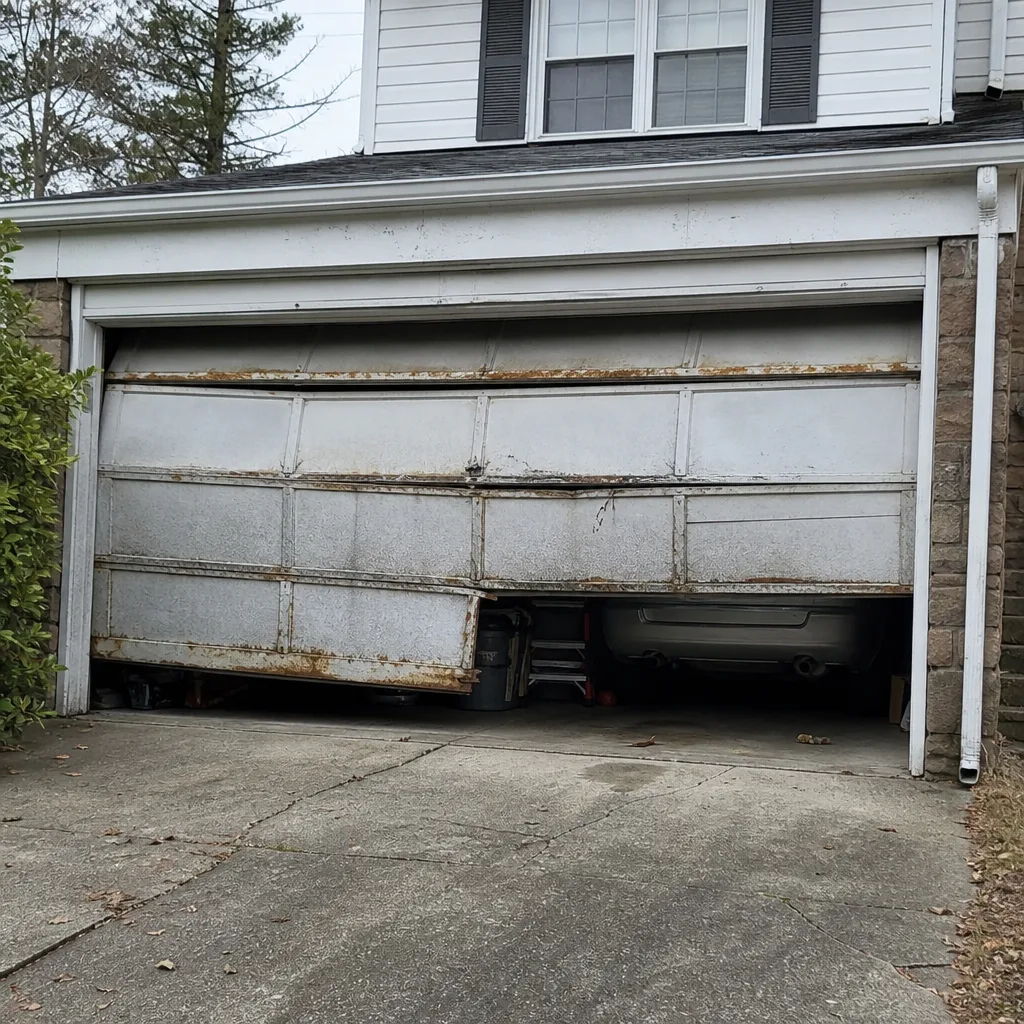 Before
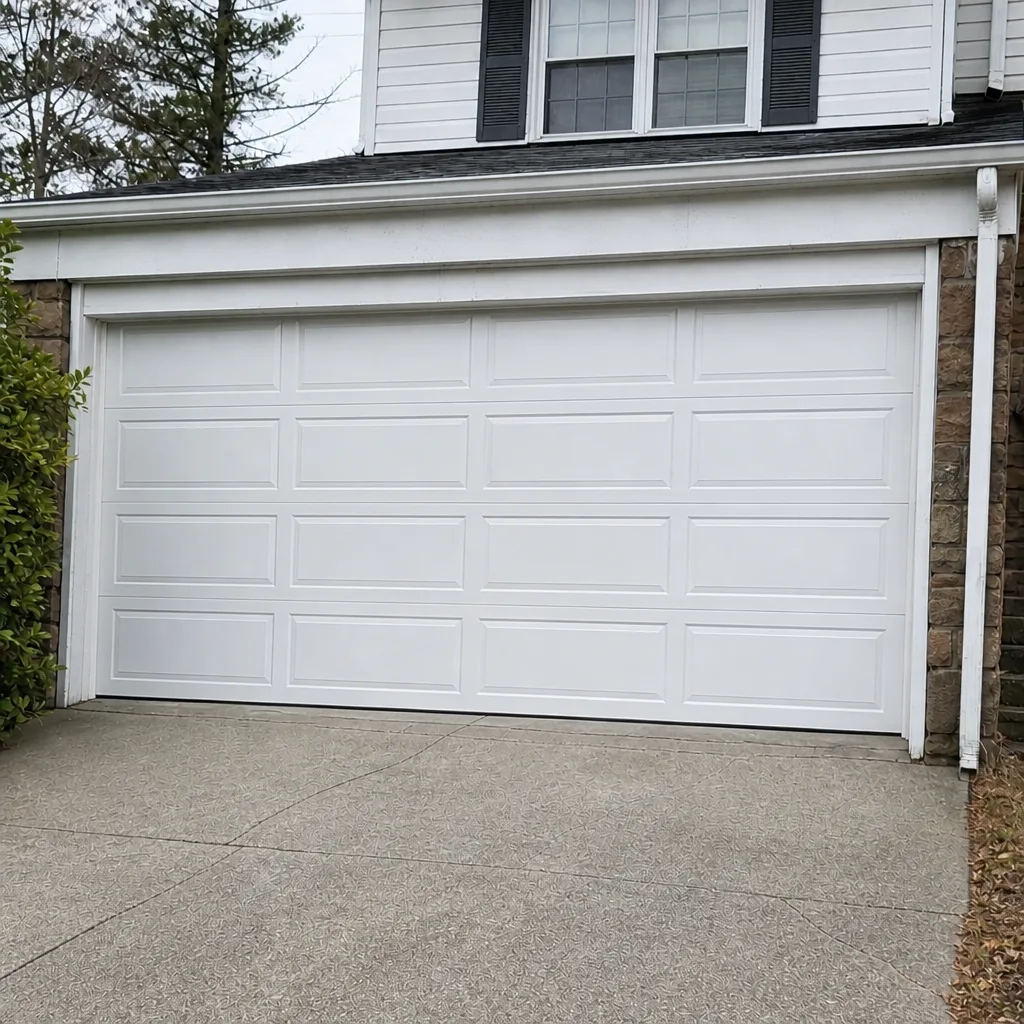 After
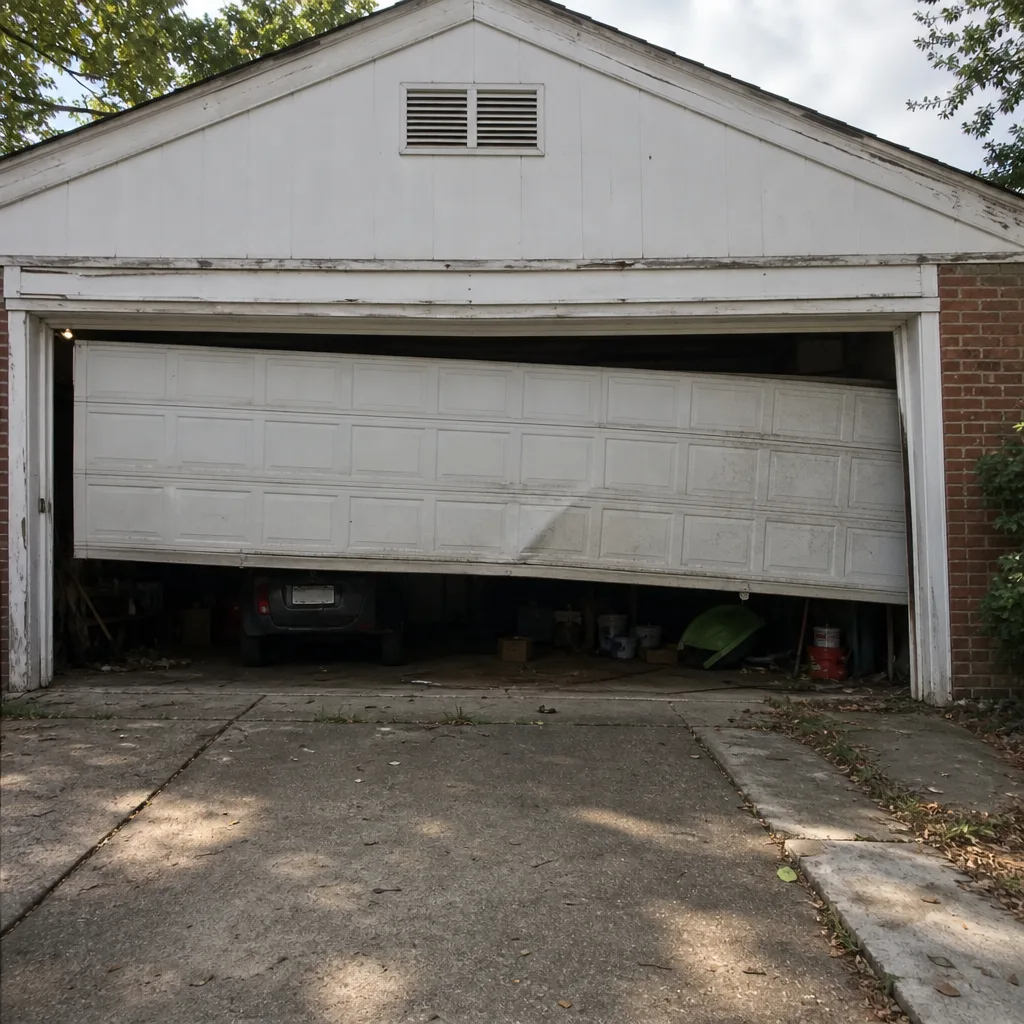 Before
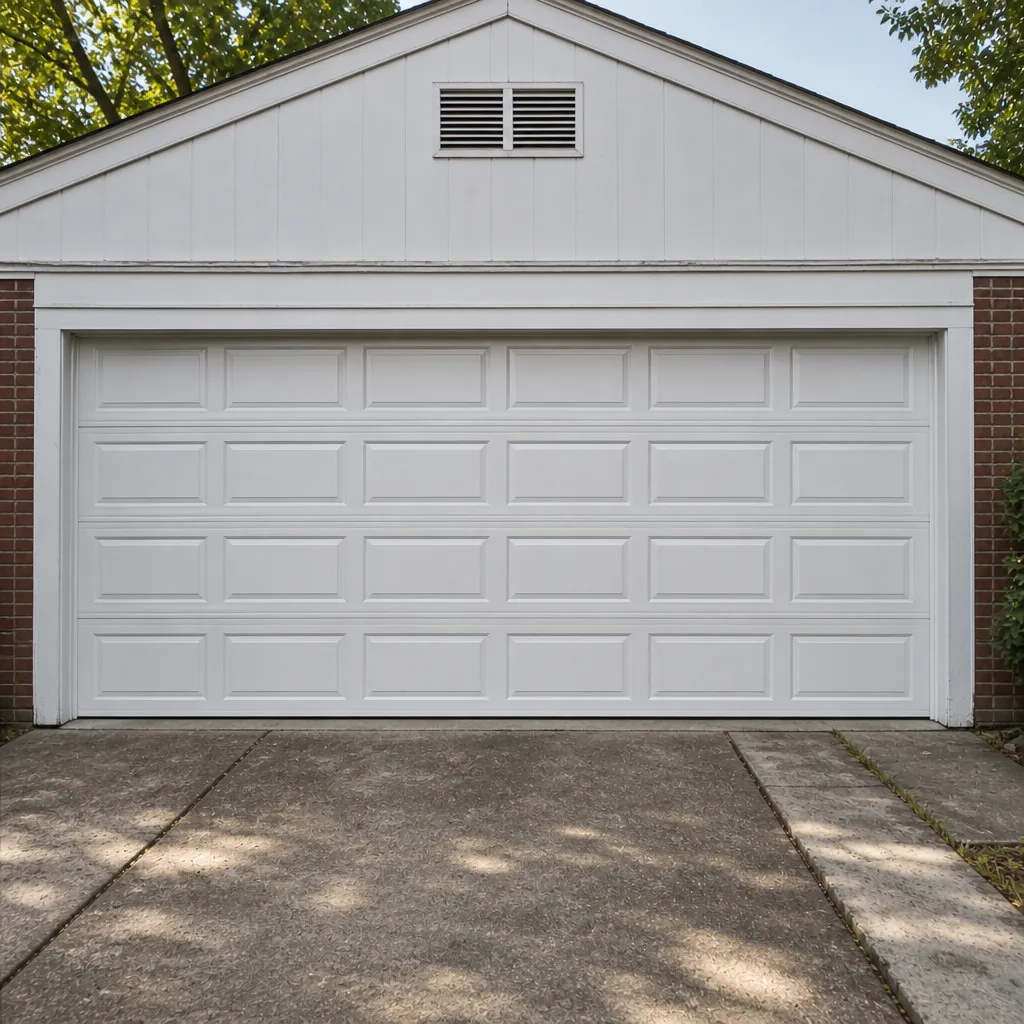 After
When to Call a Professional
Call a professional whenever a spring is broken, a cable is off its drum, the door is off track, or the door won’t stay in the middle position when you test it by hand. Those are all conditions where the door can drop without warning, and none of them are safe to diagnose by trial and error. If the door is stuck open and you can’t secure it, or if you’re not sure whether the door is safe to operate, that’s also a call. Our technicians have up to 14 years of experience with torsion and extension systems on every major door brand, and we bring the right tools and springs the first time. Garage Door Repair Shepherd Park offers free estimates in Shepherd Park – call (855) 337-1732. We answer 24/7. Fast dispatch from 7am to 7pm, Sunday through Friday.
Frequently Asked Questions
Yes, if the springs are healthy and the door is balanced. Pull the red release cord, then lift slowly and test the weight as you go. If the door feels heavy or won’t stay up halfway, stop – that’s a spring or balance issue, not a power issue, and it needs a technician before you use the door again.
Most homeowners describe a loud crack or a sound like a gunshot from inside the garage. Extension springs sometimes break more quietly with a twang. If you hear it while the door is in motion, stay clear until the door has settled, then approach only to look – not to touch – and call for spring service. Call (855) 337-1732 for the fastest route to a fix.
Secure the opening first: clamp the vertical track above a roller on each side, block the opening with a car or heavy object, and don’t try to force the door down by hand. Then call for emergency service. If the door is stuck open because the spring broke or the opener carriage is disengaged, forcing it closed can cause the door to fall.
Test it by hand. Release the opener, lift the door halfway, and see whether it stays put. Then check the springs for visible gaps, check that the cables are snug on their drums, and confirm the safety reverse works. If any of those fail, leave the door closed and call a professional.
That’s usually a sign the opener motor is running but the drive is not engaging – either the release cord was pulled and never re-engaged, the gear inside the opener has stripped, or a capacitor has failed. It’s a common symptom on older LiftMaster and Chamberlain units and one of the easier fixes when the technician has the right parts. Bring it up when you call so we can arrive prepared.
No, the price is set per job by the written estimate. Same-day service, spring replacement, opener repair, and door repair are all quoted the same way. Call (855) 337-1732 for a free estimate and a written price before any work starts.
The Bottom Line
The three emergencies that trip up most homeowners – a power outage, a snapped spring, and a door stuck open – all follow a predictable playbook, and the worst thing you can do in any of them is to force the door or pull the wrong release cord. Know where your red cord is, know whether your springs are torsion or extension, keep the model numbers for your door and opener handy, and call as soon as the door tells you something’s wrong. Our technicians are trained across LiftMaster, Chamberlain, Genie, Clopay, Amarr, Wayne Dalton, Craftsman, and Raynor, which means we arrive already familiar with your hardware. If your Shepherd Park door won’t open or won’t close, don’t try to force it. Call (855) 337-1732 for a free estimate. We answer 24/7. Fast dispatch from 7am to 7pm, Sunday through Friday.
Written by the team at Garage Door Repair Shepherd Park.